Identify a Pest

Use the photo guide below to identify the common UK pests. If yours is not shown, send me a clear photo on WhatsApp and I will tell you what it is.

I have spent years identifying pests in real UK homes, lofts, kitchens and gardens. Have a look through the guide below to find what you have spotted. Each one shows where it usually turns up and what brings it there. If your pest is not on the list, send a clear photo on WhatsApp and I will take a look.

Wasps & Hornets

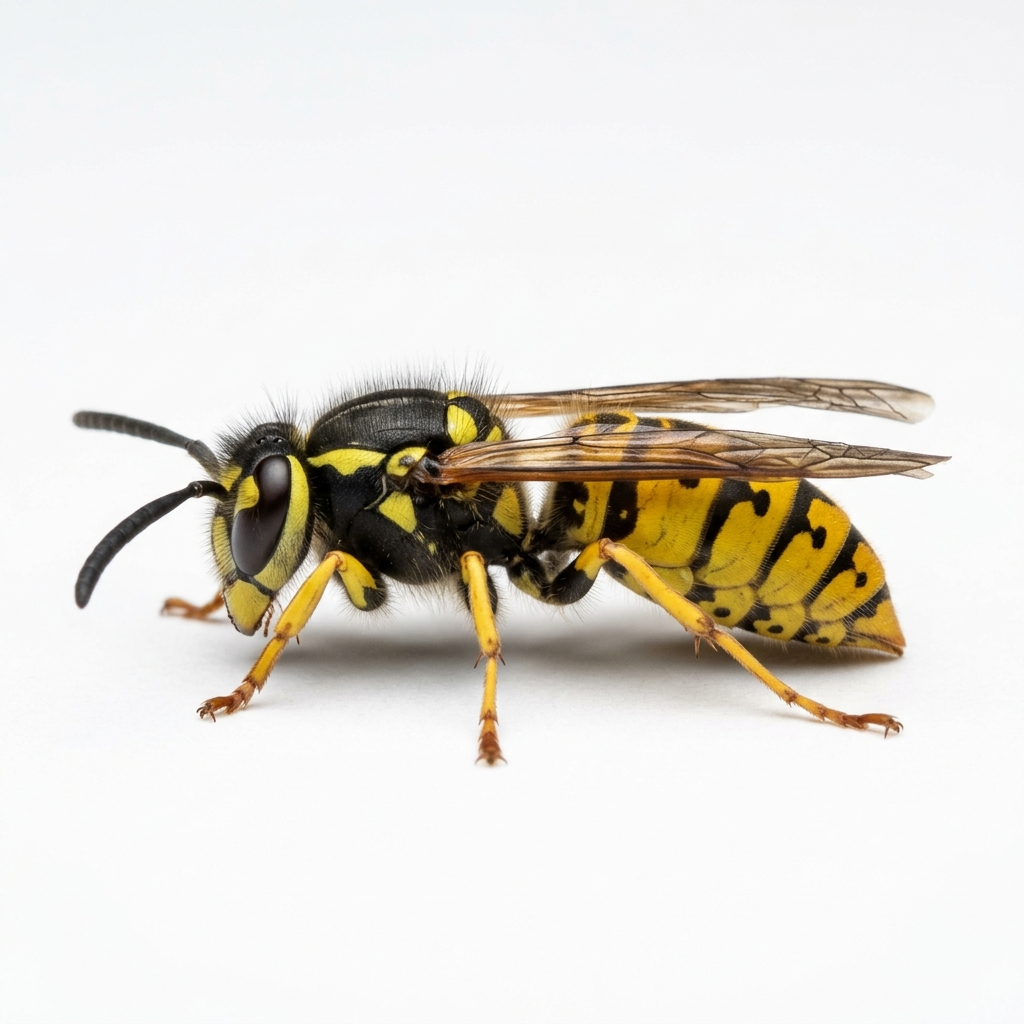
Common Wasp
Common Wasp
Nests in lofts, wall cavities, sheds and under eaves. Drawn to quiet dry spaces in spring, then to sweet food and bins by late summer.
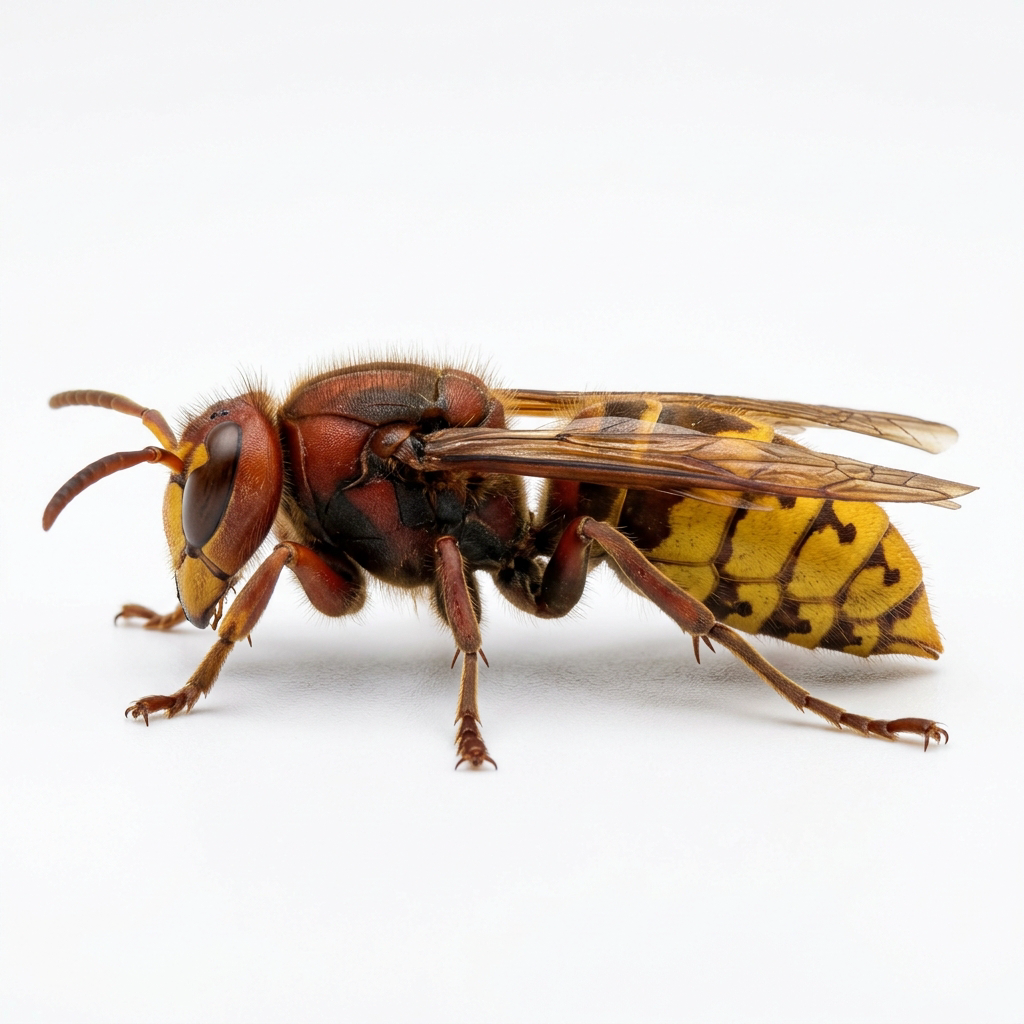
European Hornet
European Hornet
Our largest social wasp. Nests in hollow trees, lofts and outbuildings. Attracted to dark sheltered cavities and to lights at night.
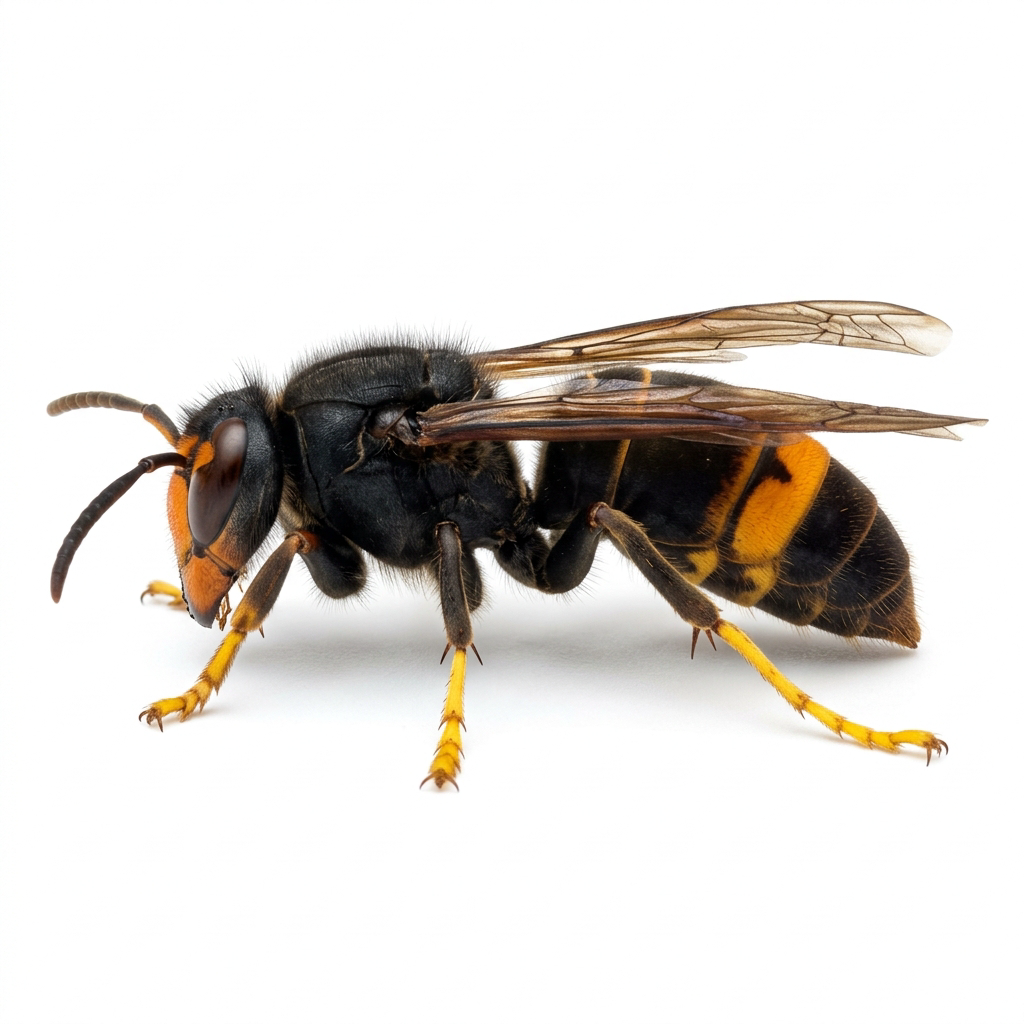
Asian Hornet
Asian Hornet
An invasive species that preys on honey bees. Builds large nests high in trees and buildings. Any sighting should be reported to the authorities.

Bees

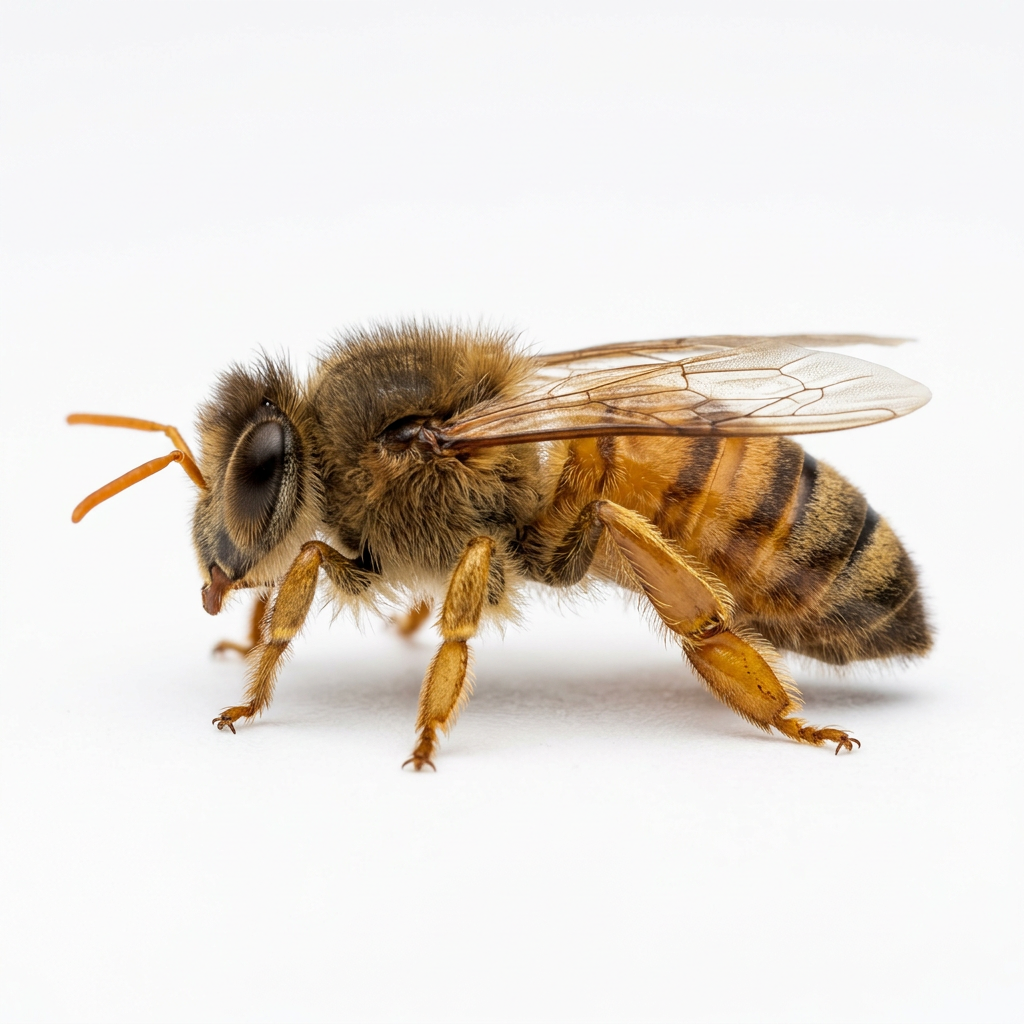
Honey Bee
Honey Bee
Lives in hives or wild colonies in chimneys, cavity walls and lofts. A valued pollinator, so colonies are relocated rather than destroyed where possible.
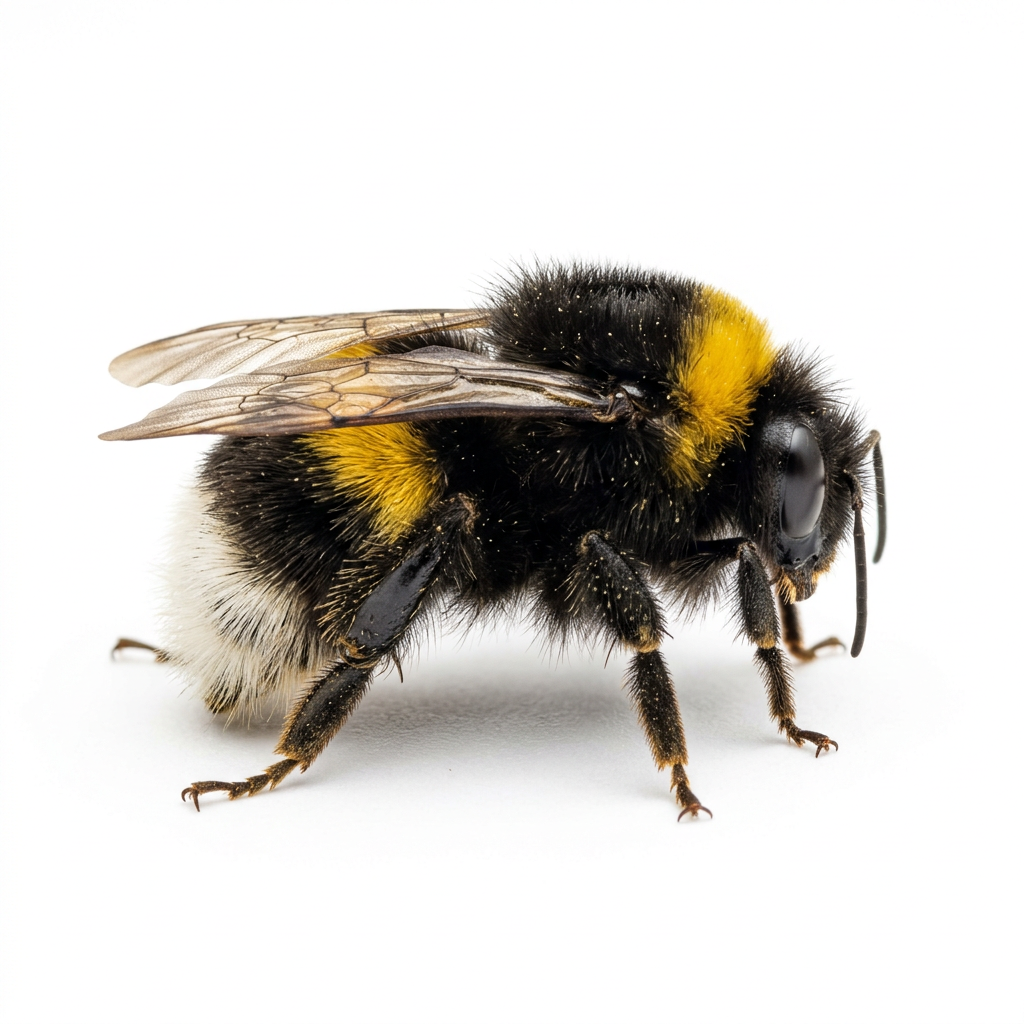
Bumblebee
Bumblebee
Small short-lived nests in lofts, airbricks, compost and old bird boxes. Harmless and protected, and usually gone by late summer on their own.
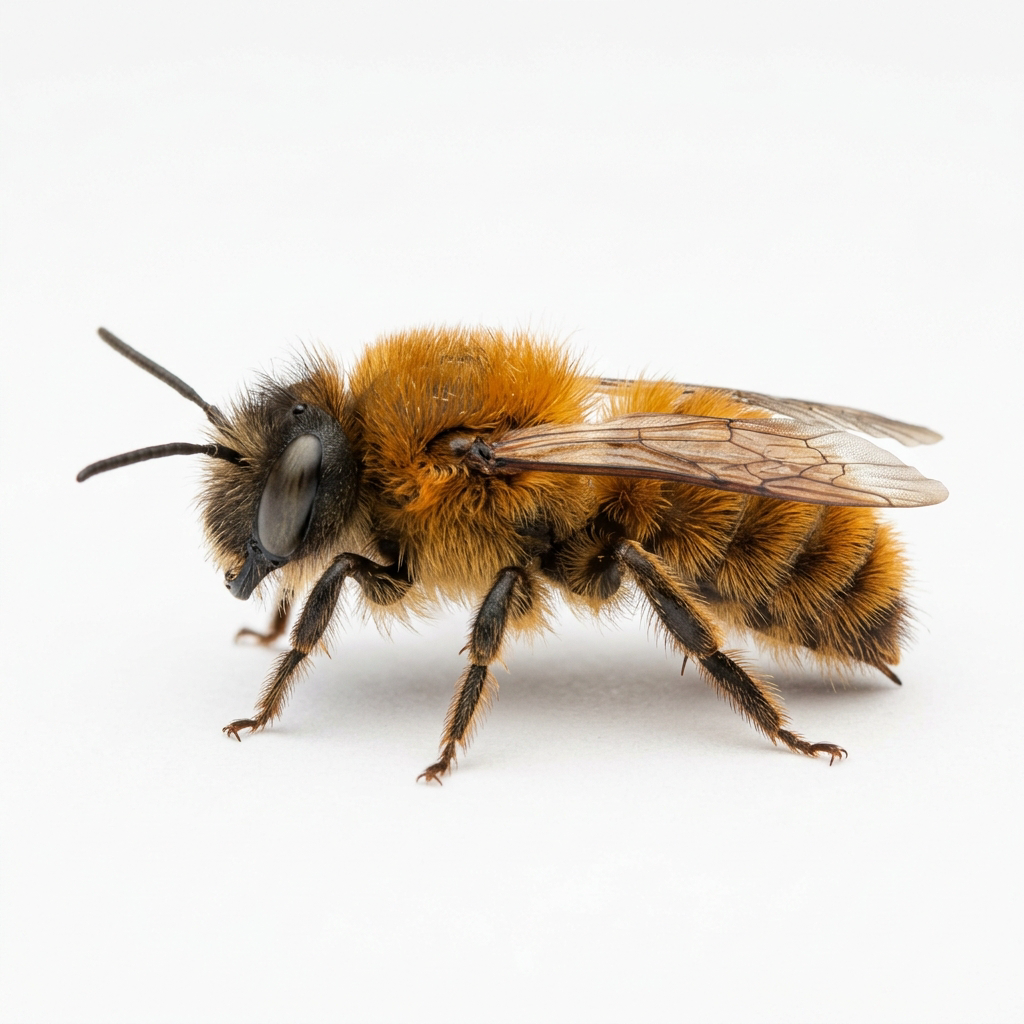
Mason Bee
Mason Bee
A solitary bee that nests in soft mortar, airbricks and drilled holes. Does no real harm and is a useful early pollinator.

Ants

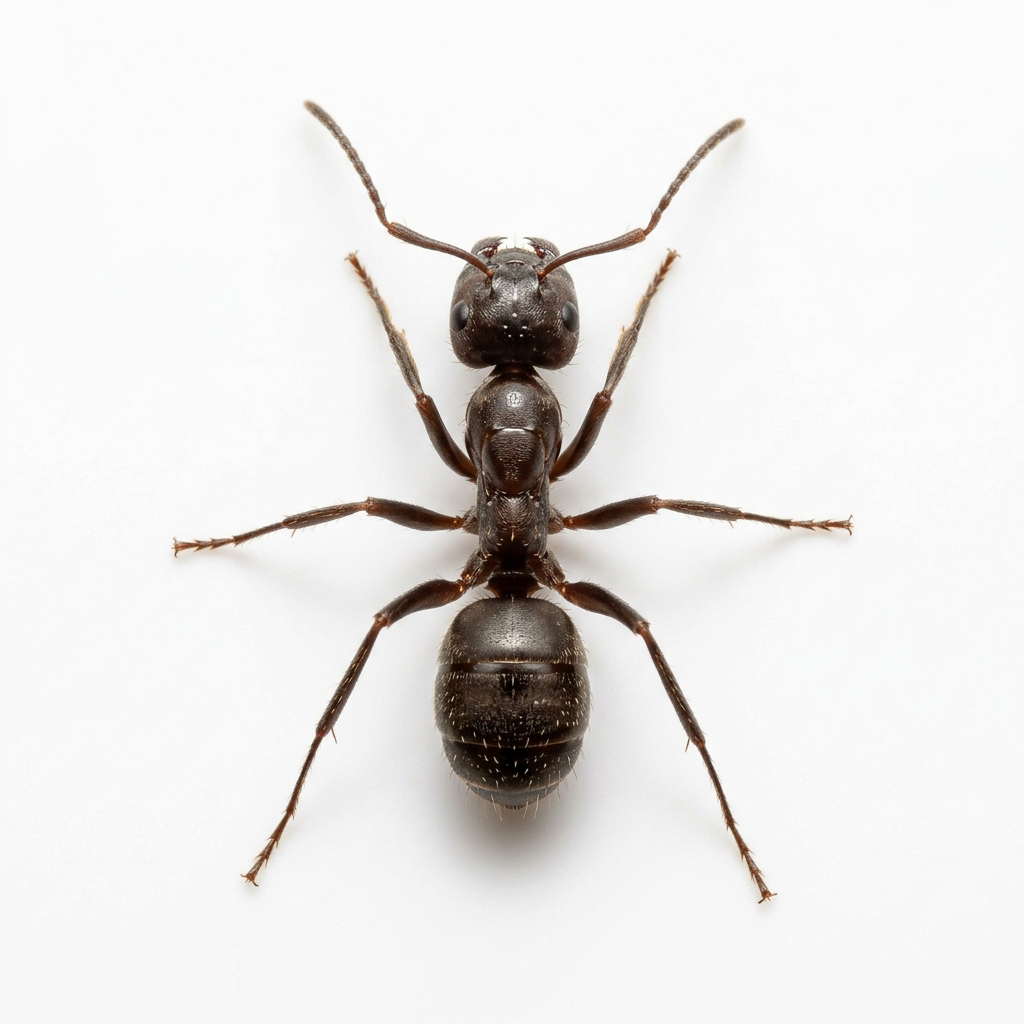
Garden Ant
Garden Ant
The common black ant. Nests outdoors under paths and patios, then forages indoors for sugary food, mostly in warm weather.
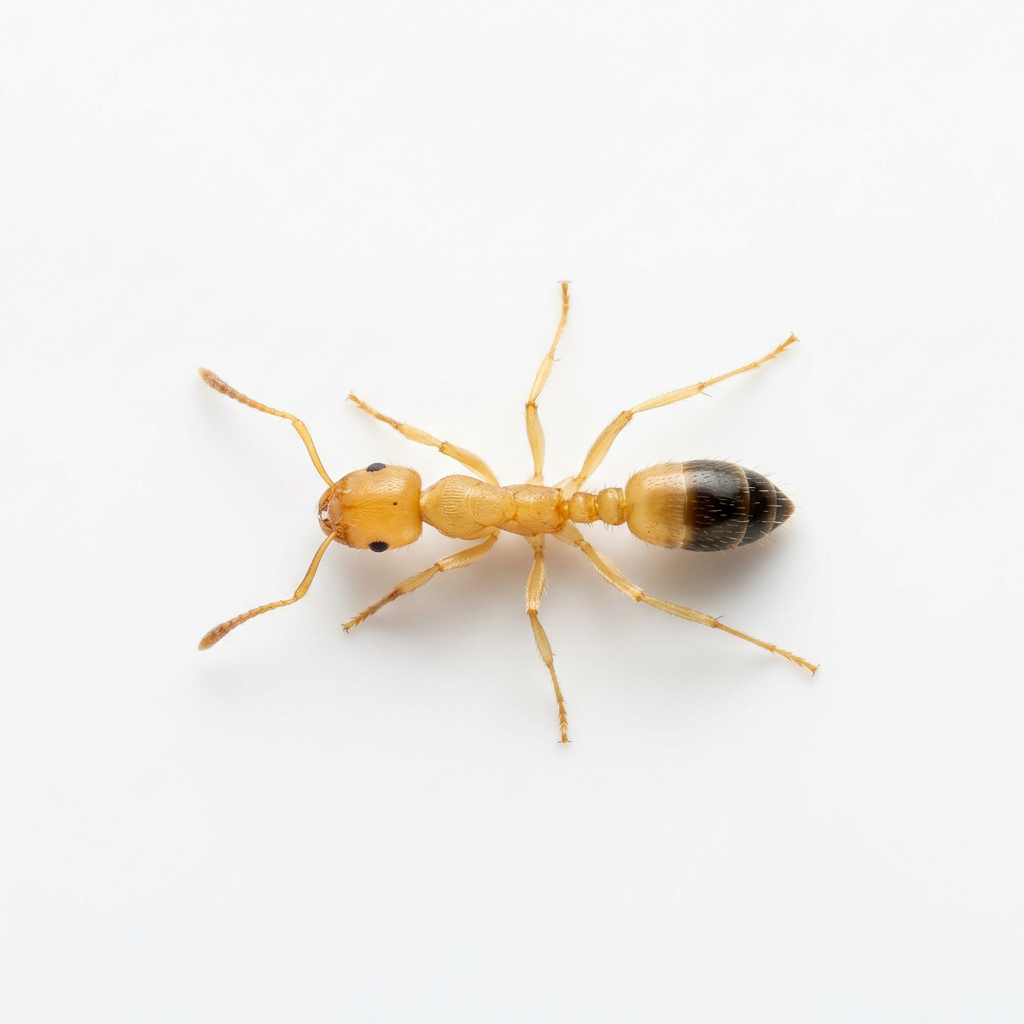
Pharaoh Ant
Pharaoh Ant
A tiny tropical ant that lives indoors in heated buildings, behind walls and near pipework. Drawn to warmth, food and moisture.

Cockroaches

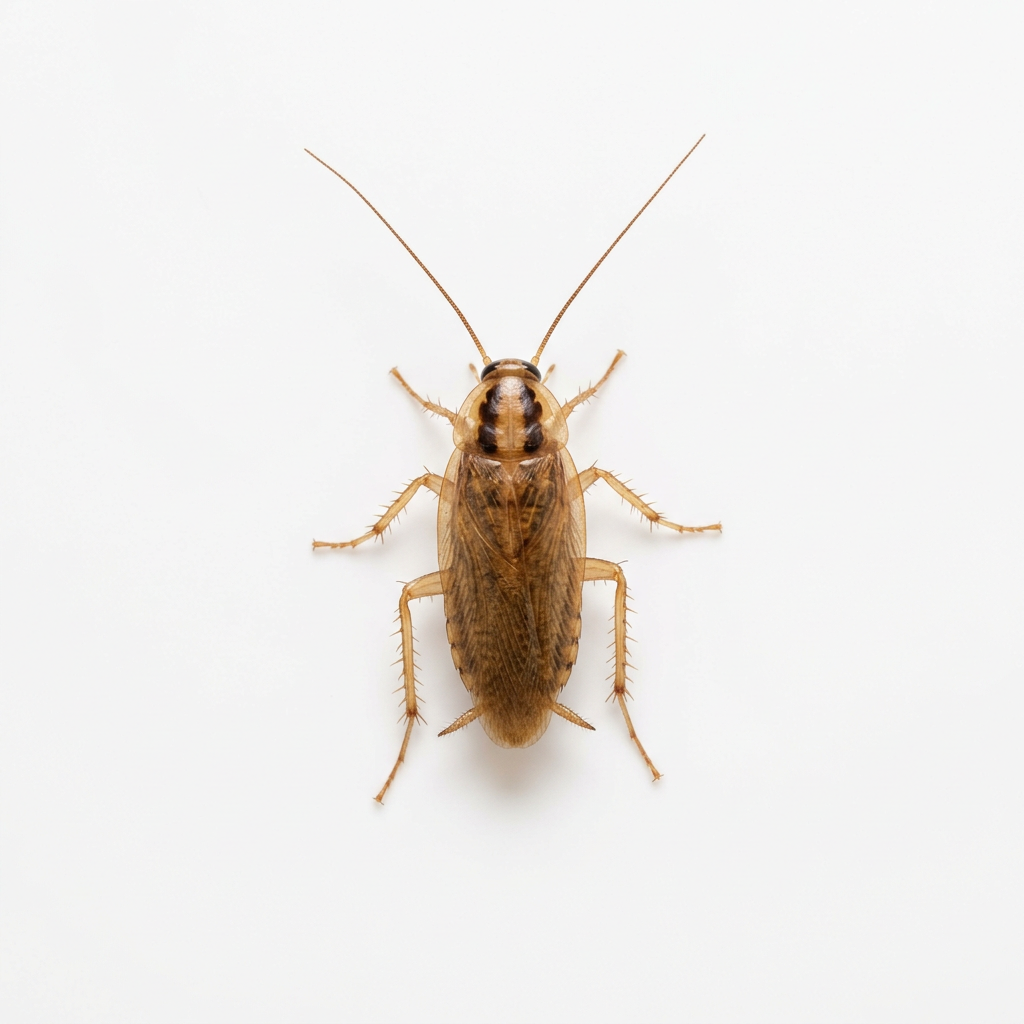
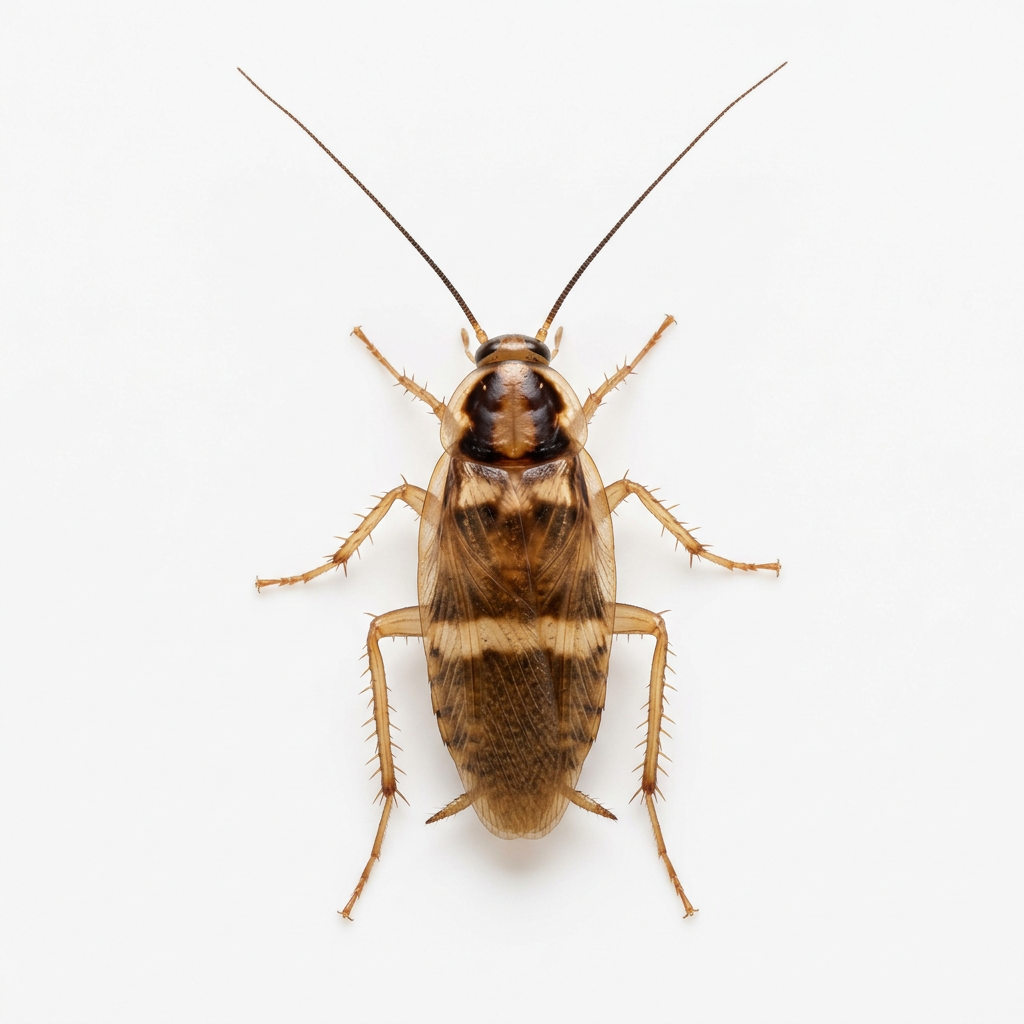
German Cockroach
German Cockroach
The most common indoor roach. Hides in warm kitchens and around appliances. Thrives on food scraps, grease and damp.
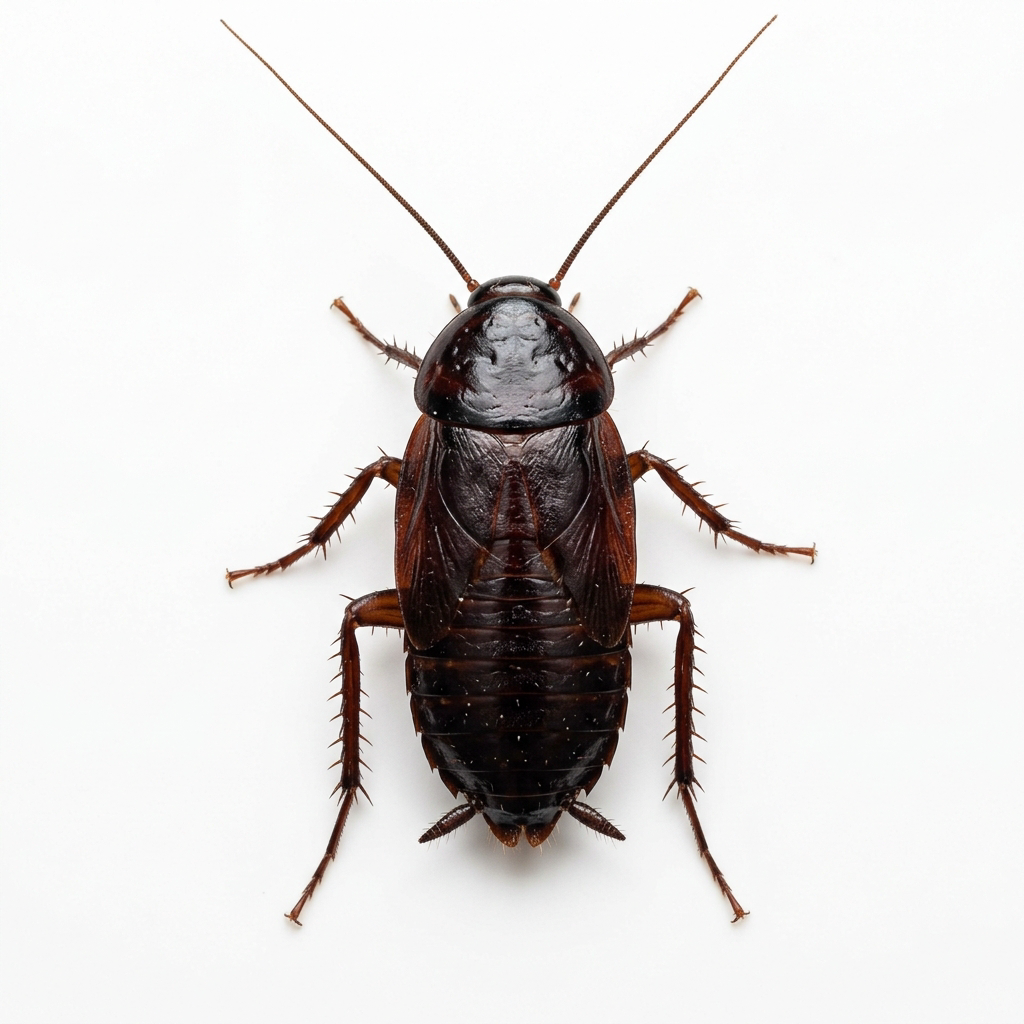
Oriental Cockroach
Oriental Cockroach
Likes cool damp places like drains, cellars and outside gullies. Comes in through pipes and gaps in search of water.
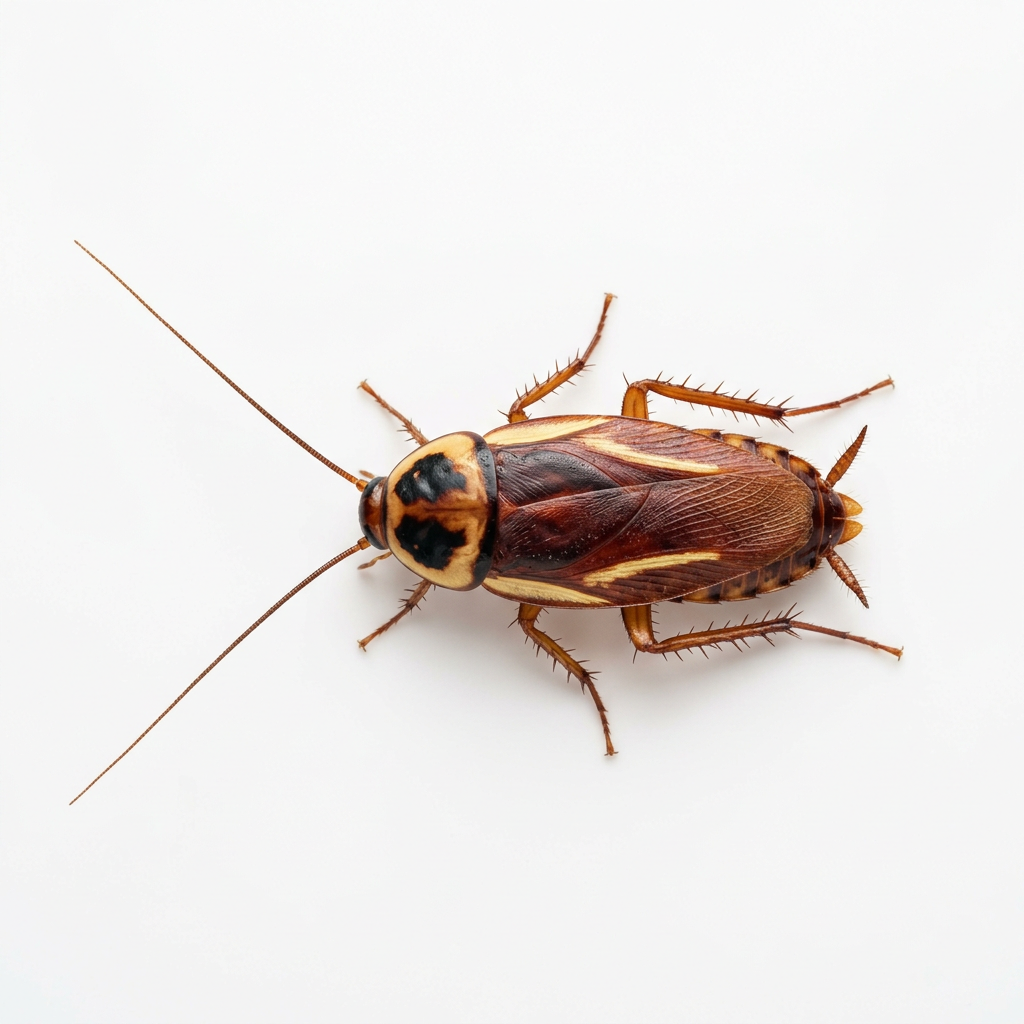
Australian Cockroach
Prefers warmth and humidity, often near heated stores and greenhouses. Arrives with goods or through gaps chasing food and damp.
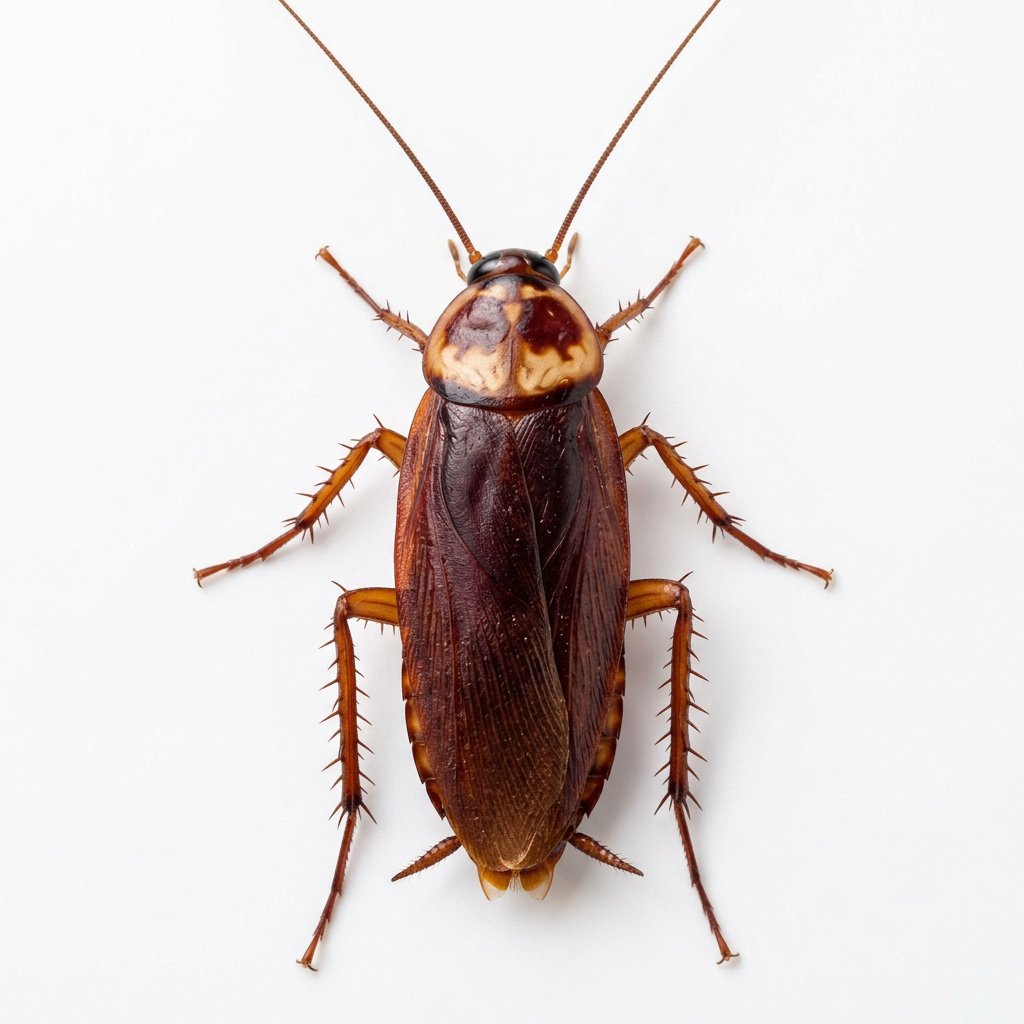
American Cockroach
American Cockroach
Our largest roach. Found in drains, basements and warm service ducts. Drawn to heat, moisture and food waste.
Brown-Banded Cockroach
Likes warm dry spots up high, behind pictures, in electrics and furniture. Spread through infested goods and second-hand furniture.

Flies & Midges

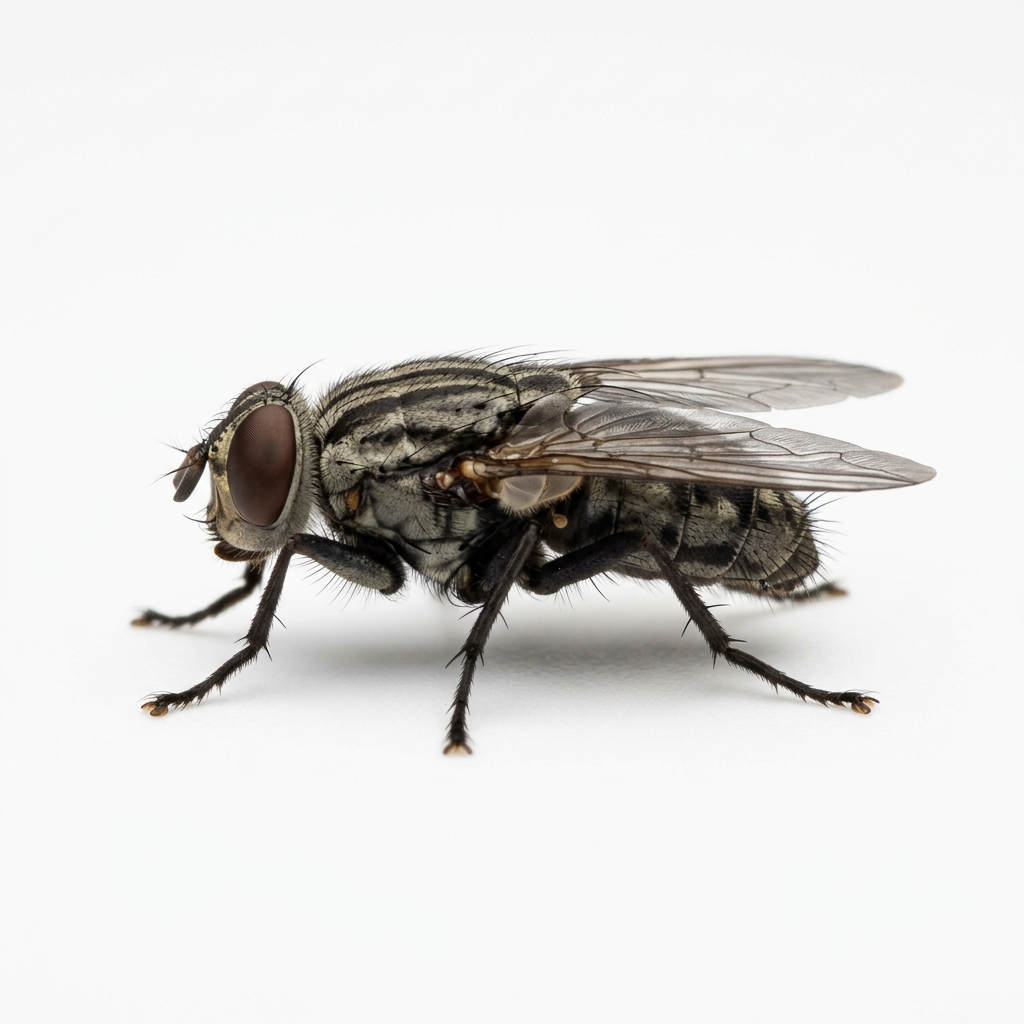
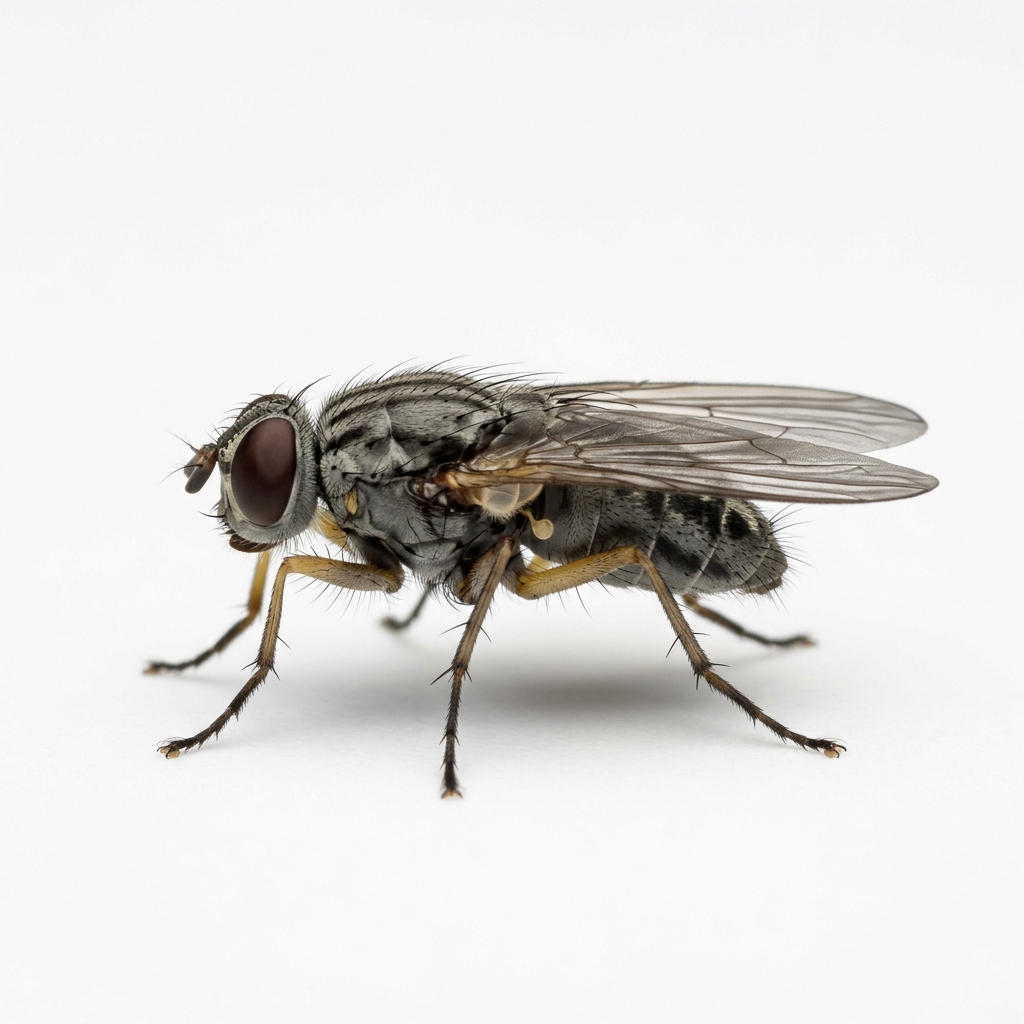
House Fly
House Fly
Found wherever food and waste are. Breeds in bins, compost and animal waste, then comes indoors for food and warmth.
Lesser House Fly
Lesser House Fly
The fly that circles under light fittings. Breeds in damp rotting matter, droppings and compost close to the house.
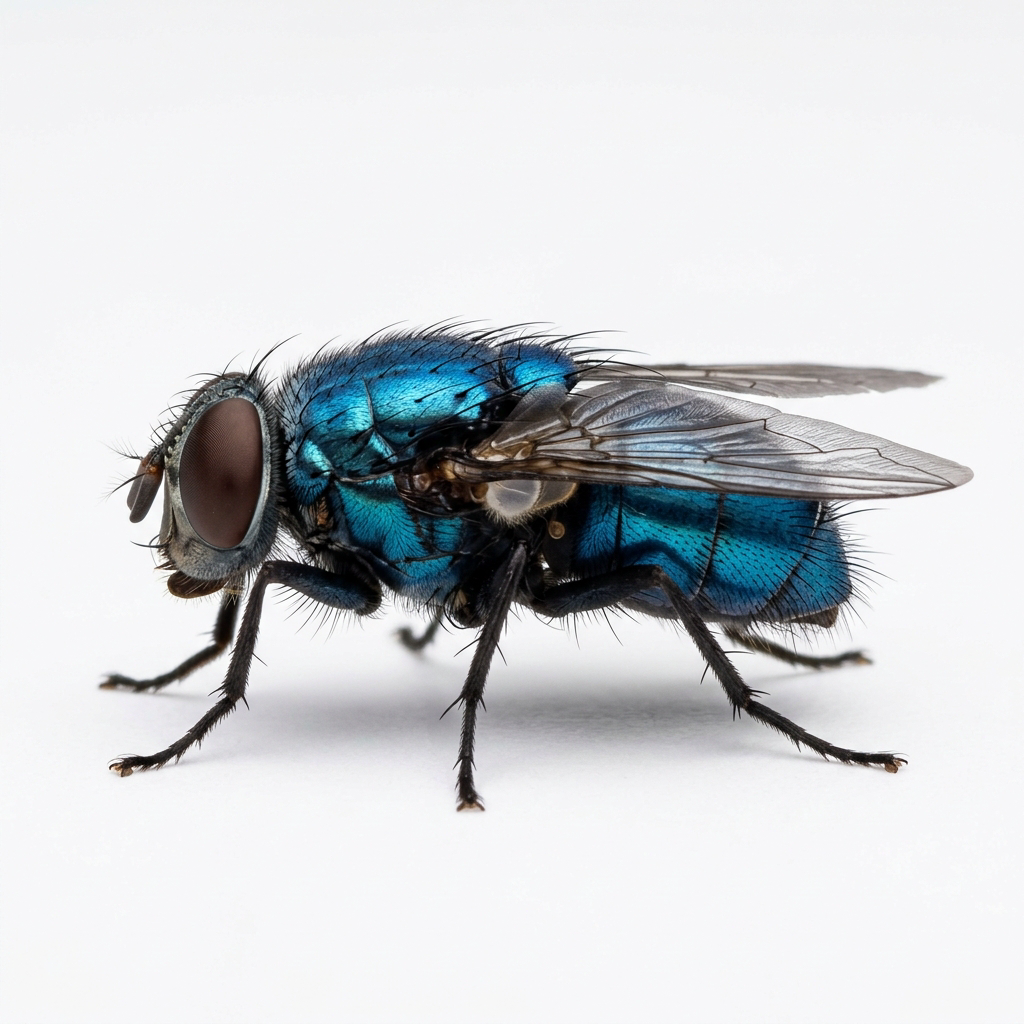
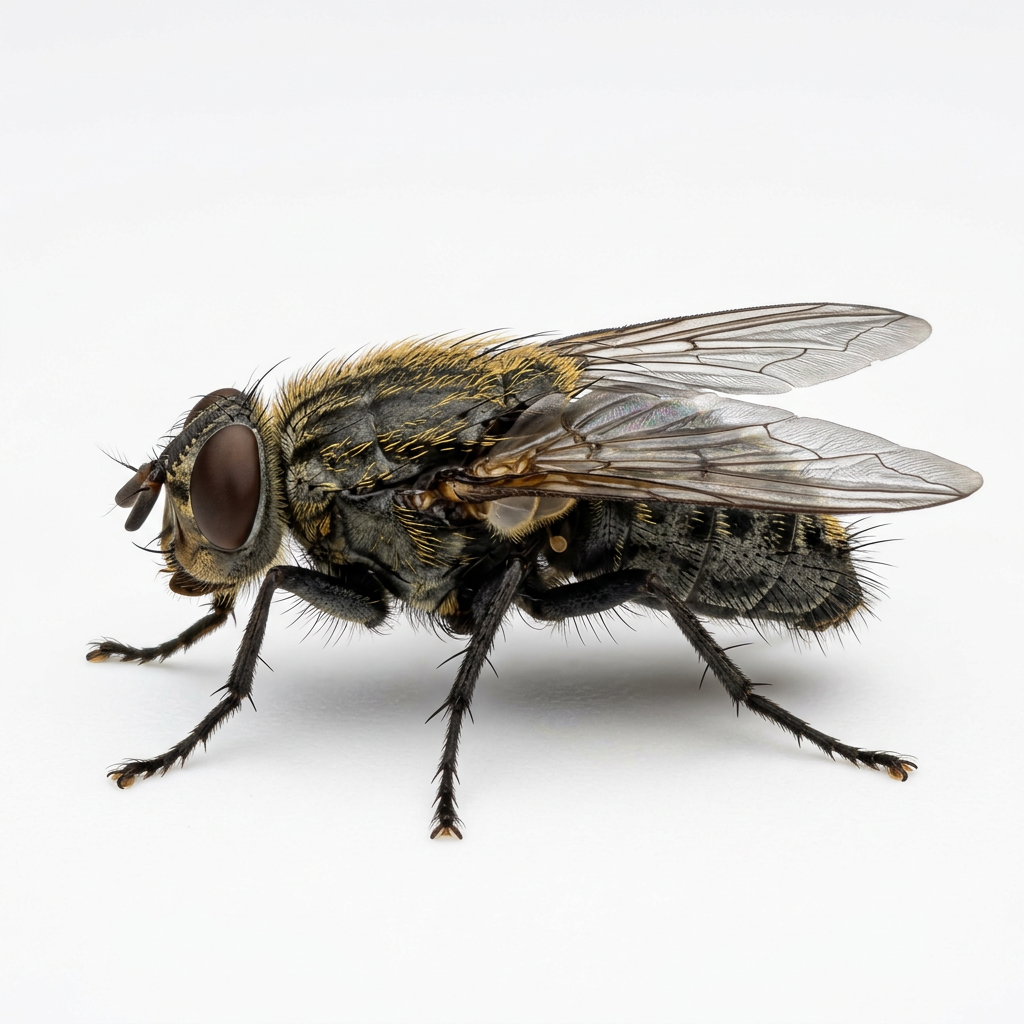
Bluebottle
Bluebottle
Large noisy fly drawn to meat and dead animals. Numbers indoors often mean something has died in a loft, wall or under the floor.
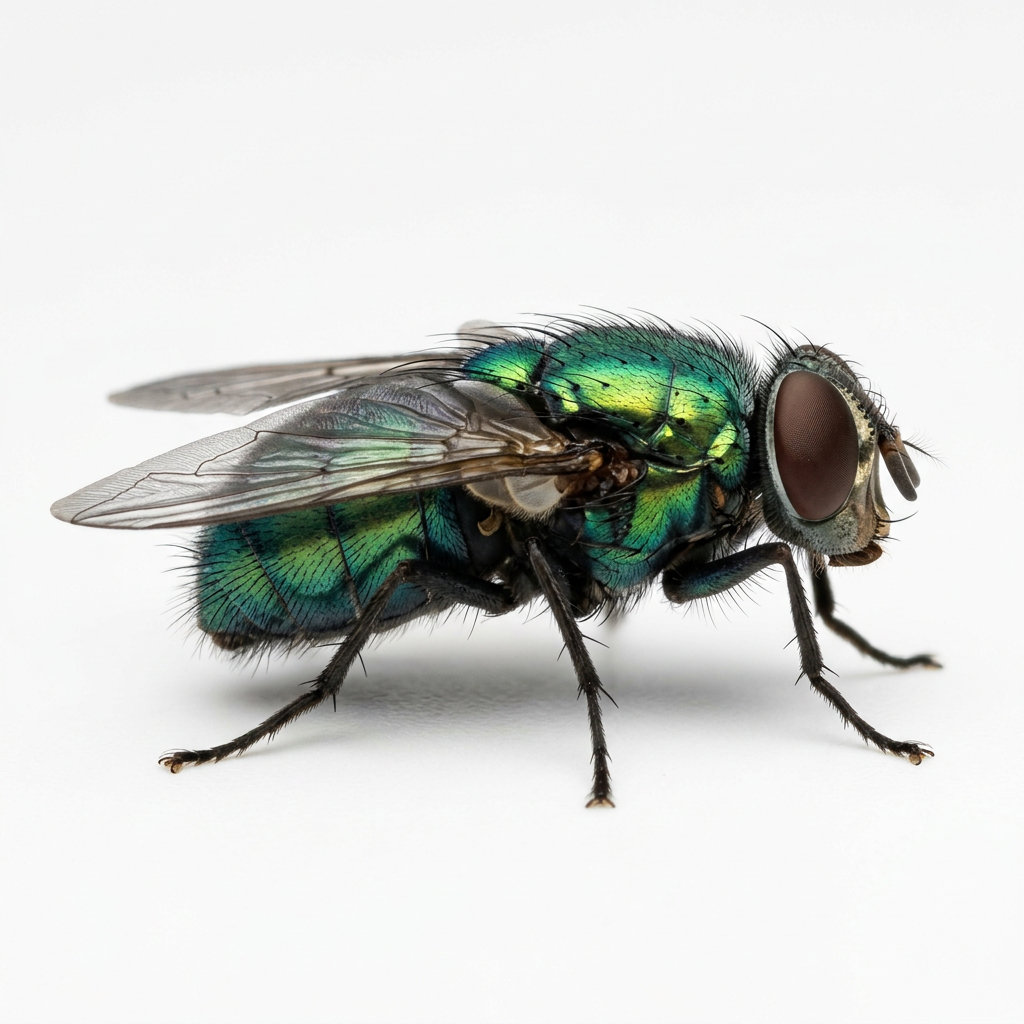
Greenbottle
Greenbottle
Shiny green fly attracted to meat, waste and animal mess. A cluster indoors often points to a dead animal close by.
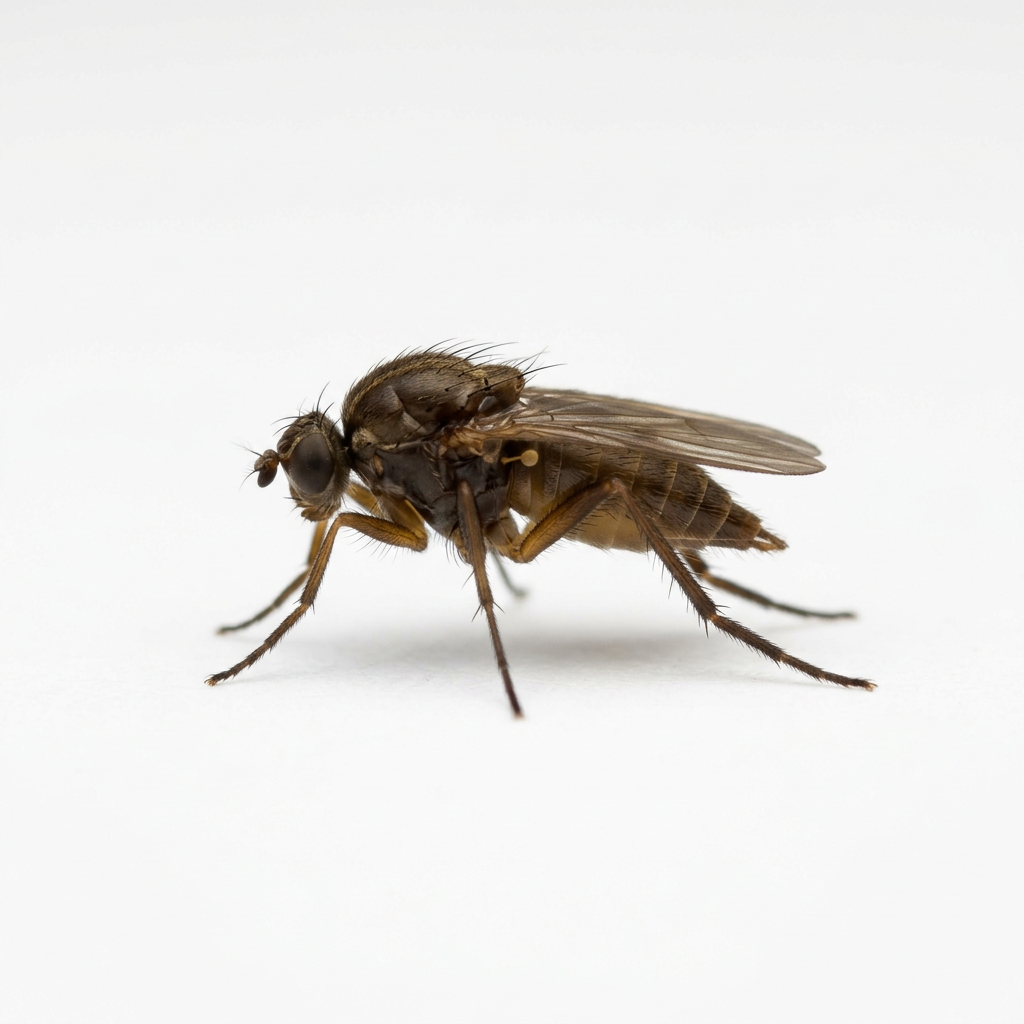
Phorid Fly
Phorid Fly
The scuttling fly. Breeds in drains, rotting food and matter under floors. A sign of a hidden damp or drainage problem.
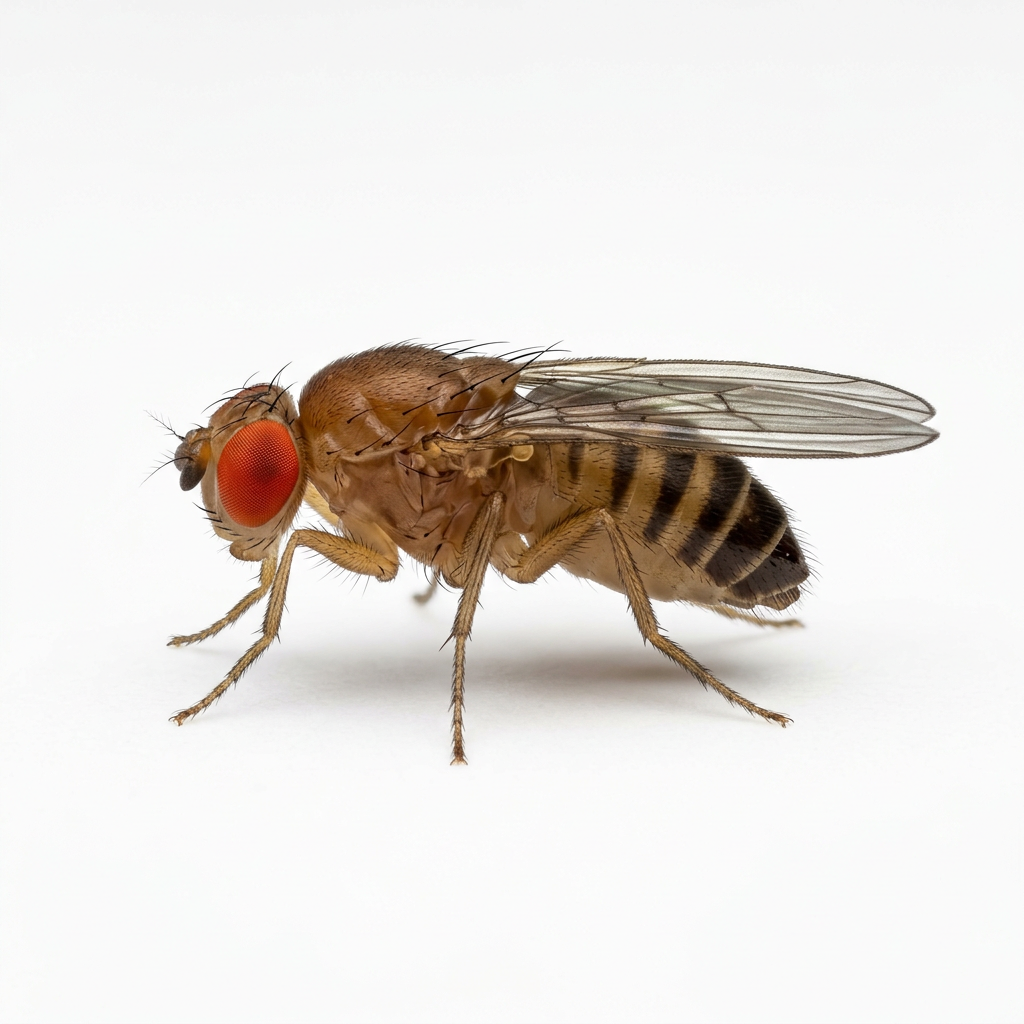
Fruit Fly
Fruit Fly
Tiny fly around ripe and rotting fruit, bins and drinks. Breeds in food residue, recycling and the film inside drains.
Cluster Fly
Cluster Fly
Comes indoors in autumn to hibernate in lofts and around windows, often in large numbers. Drawn to warm south-facing walls.
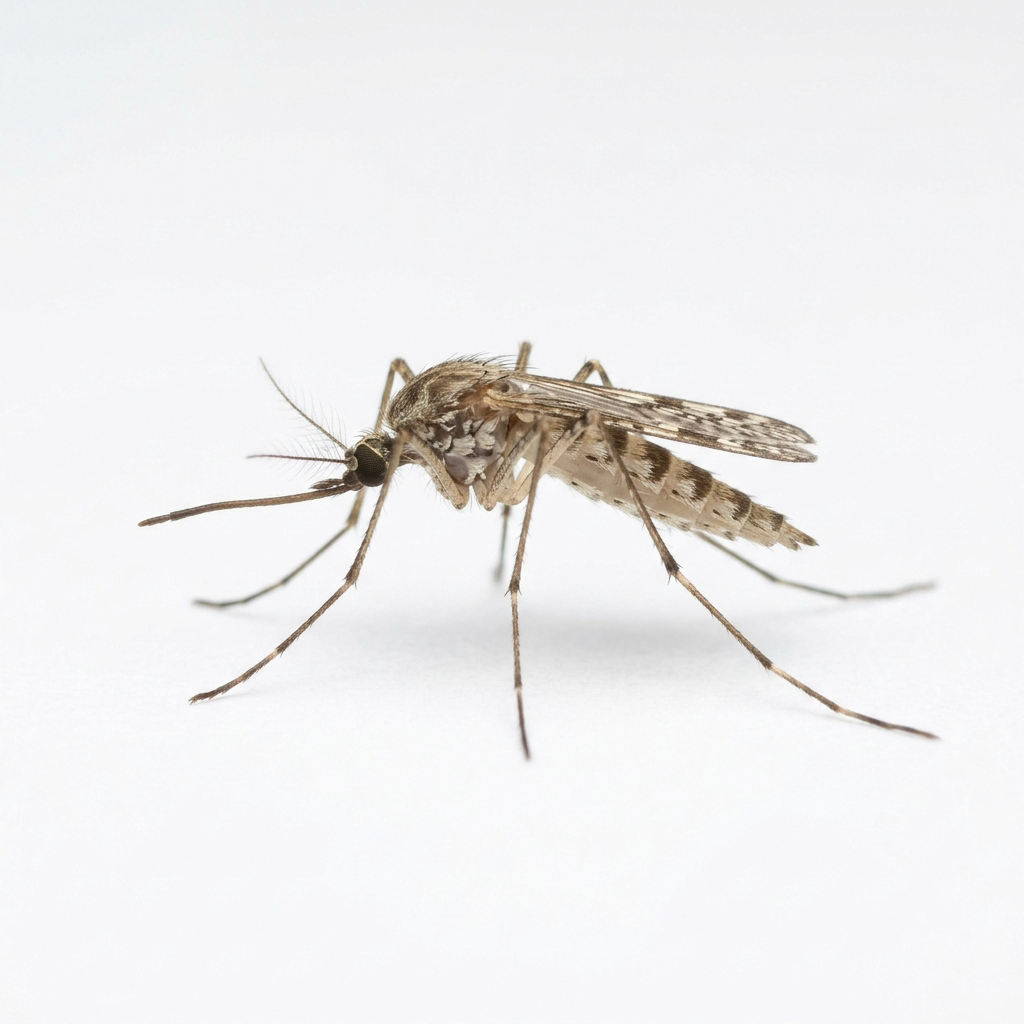
Mosquito
Mosquito
Breeds in standing water like water butts, gutters and ponds. Comes indoors at dusk in search of blood and shelter.
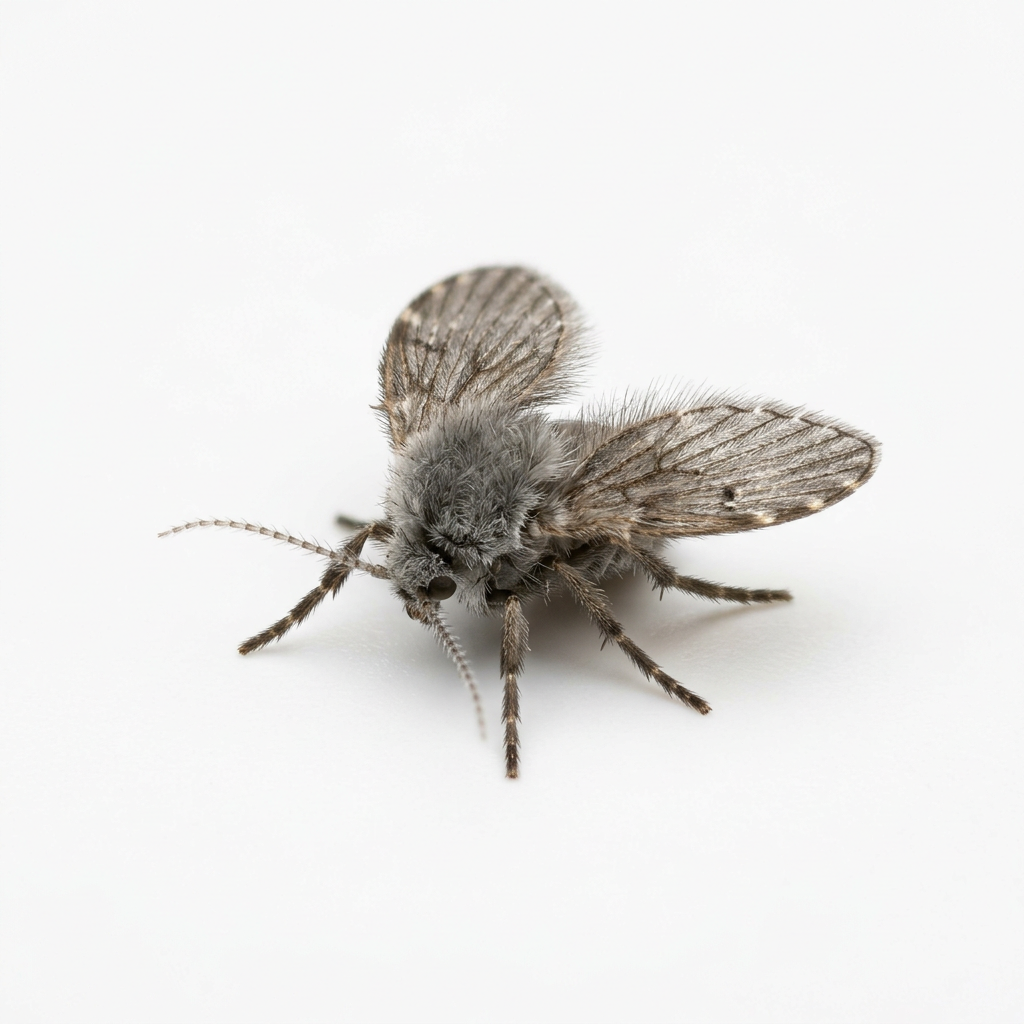
Drain Fly
Drain Fly
Small furry moth-like fly that breeds in the gunk inside drains and waste pipes. A clear sign of a slow or dirty drain.
Non-Biting Midge
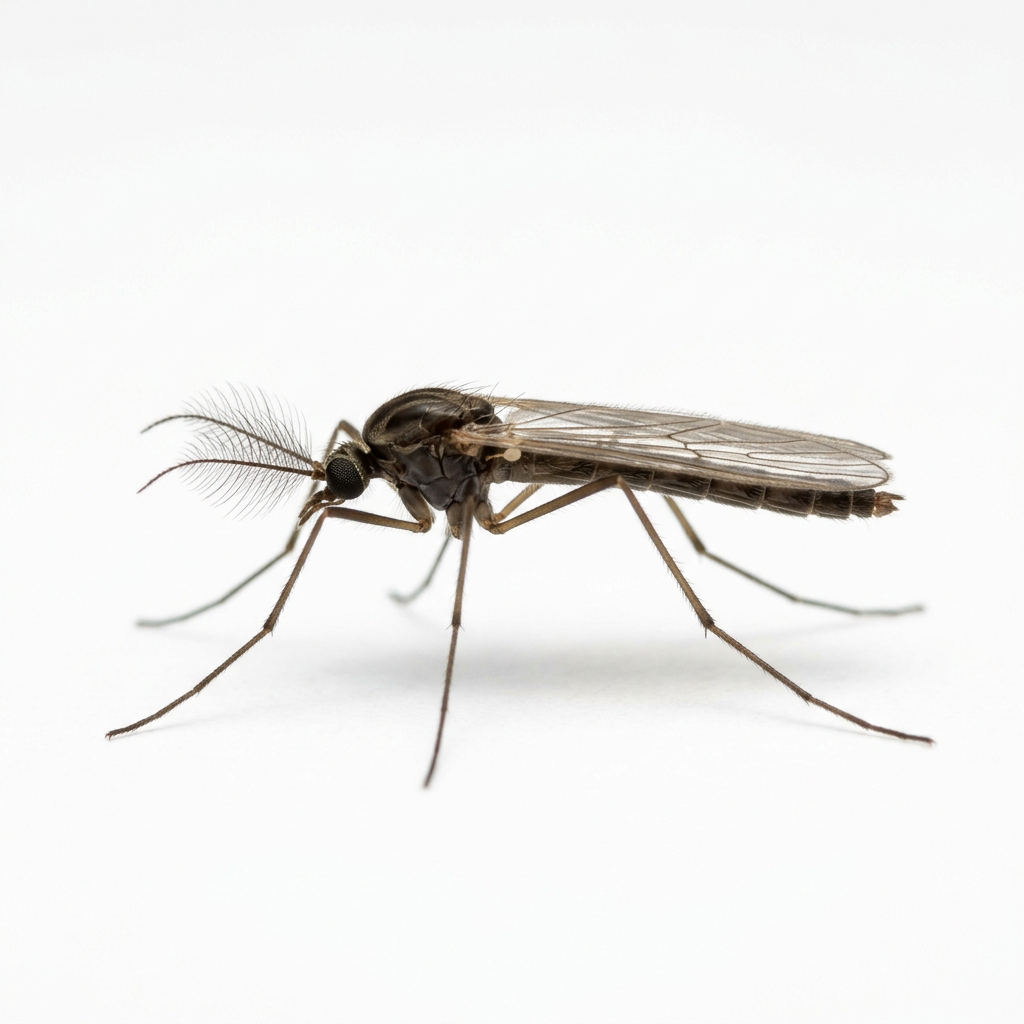
Non-Biting Midge
Swarms near ponds, water and damp ground on summer evenings. Drawn to water and to lights, but it does not bite.

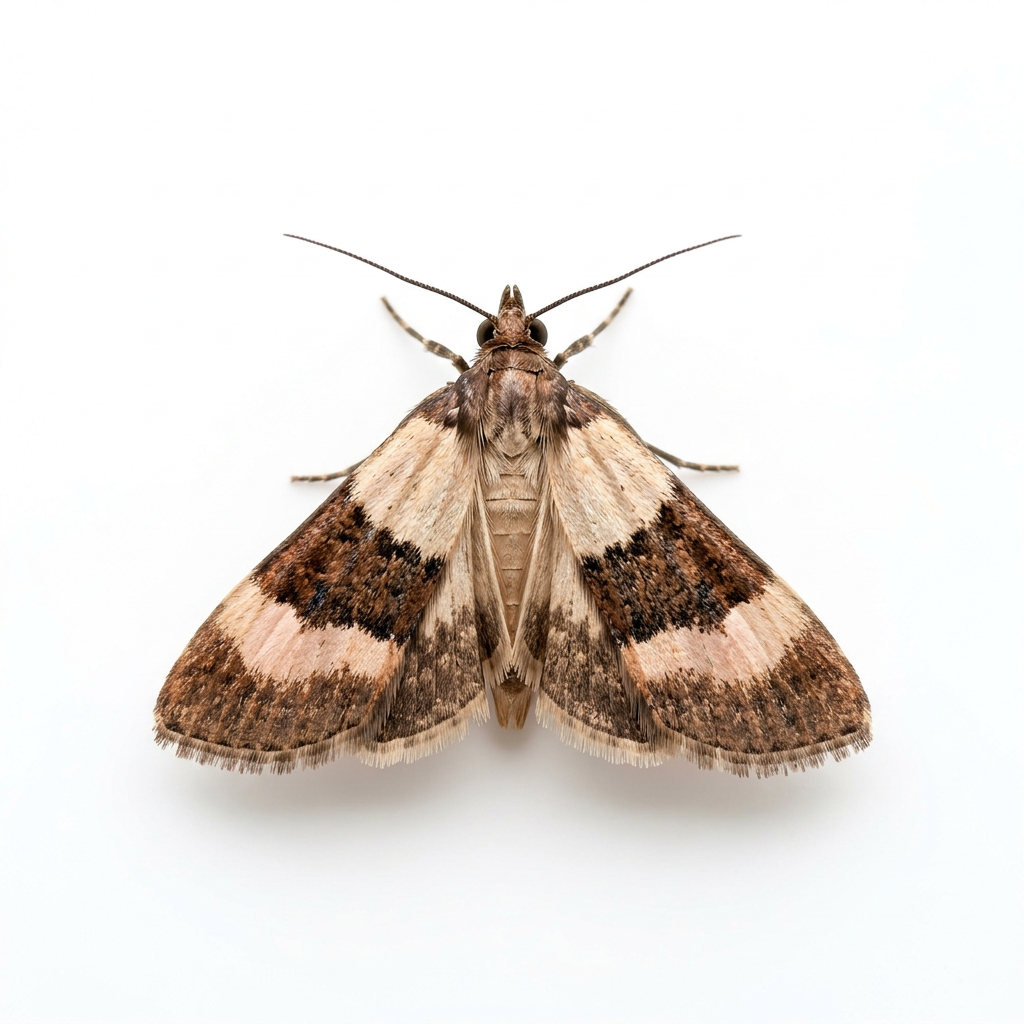
Moths

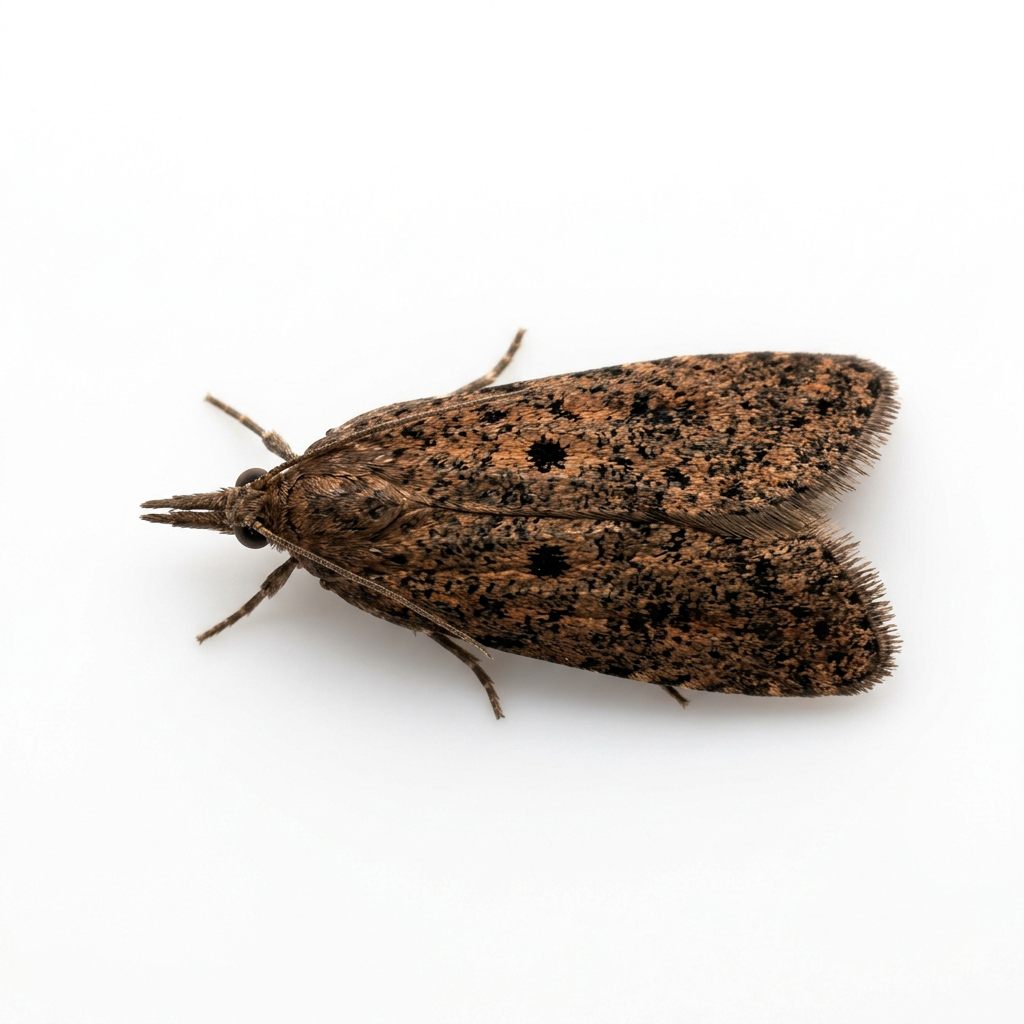
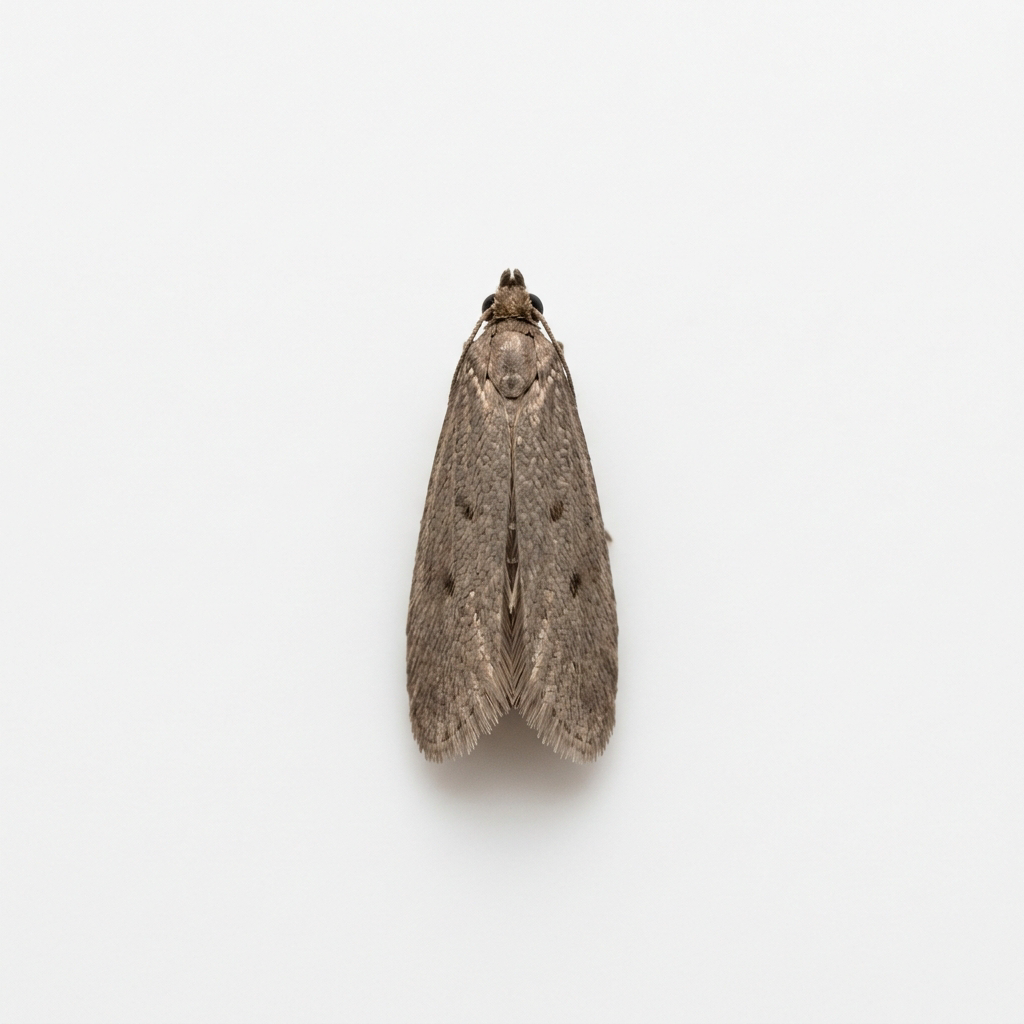
Brown House Moth
Brown House Moth
Feeds on natural fibres, stored food and debris. Found in carpets, lofts and under furniture where dust and crumbs gather.
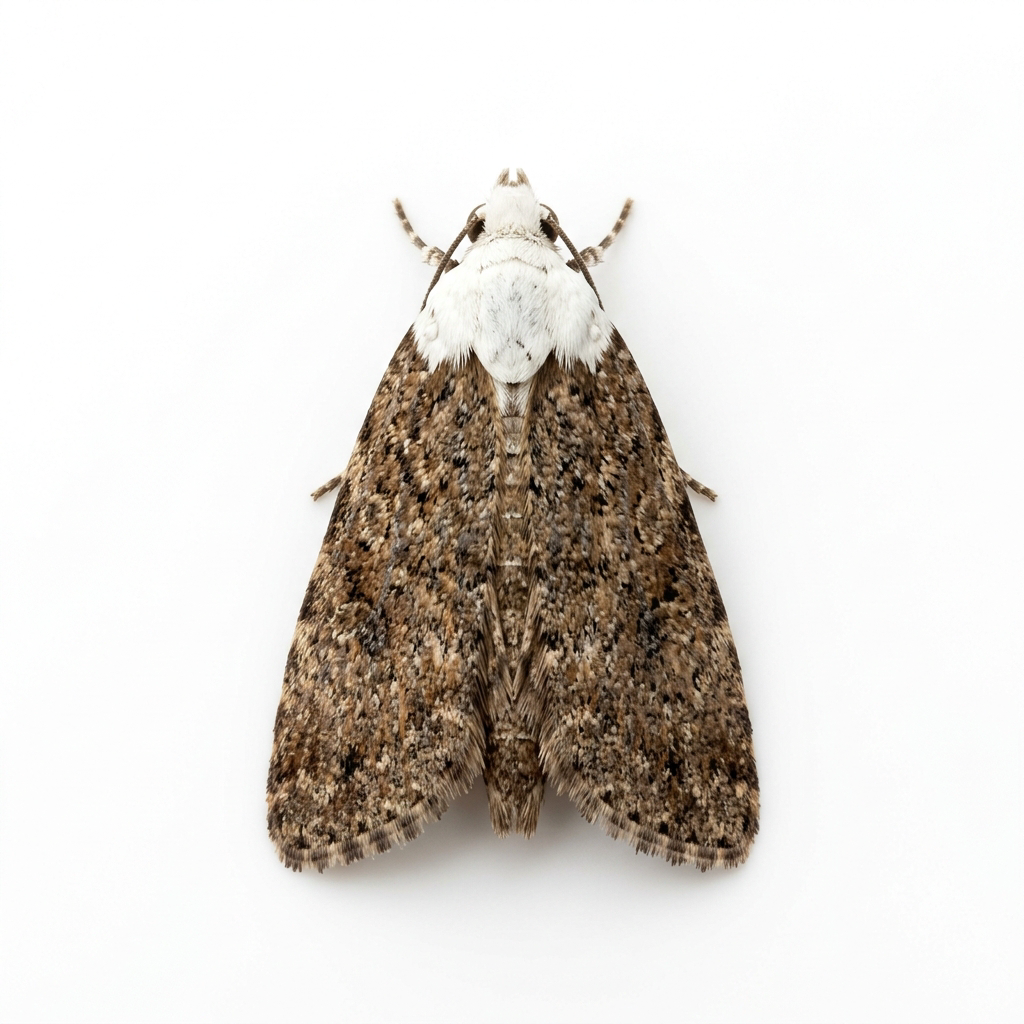
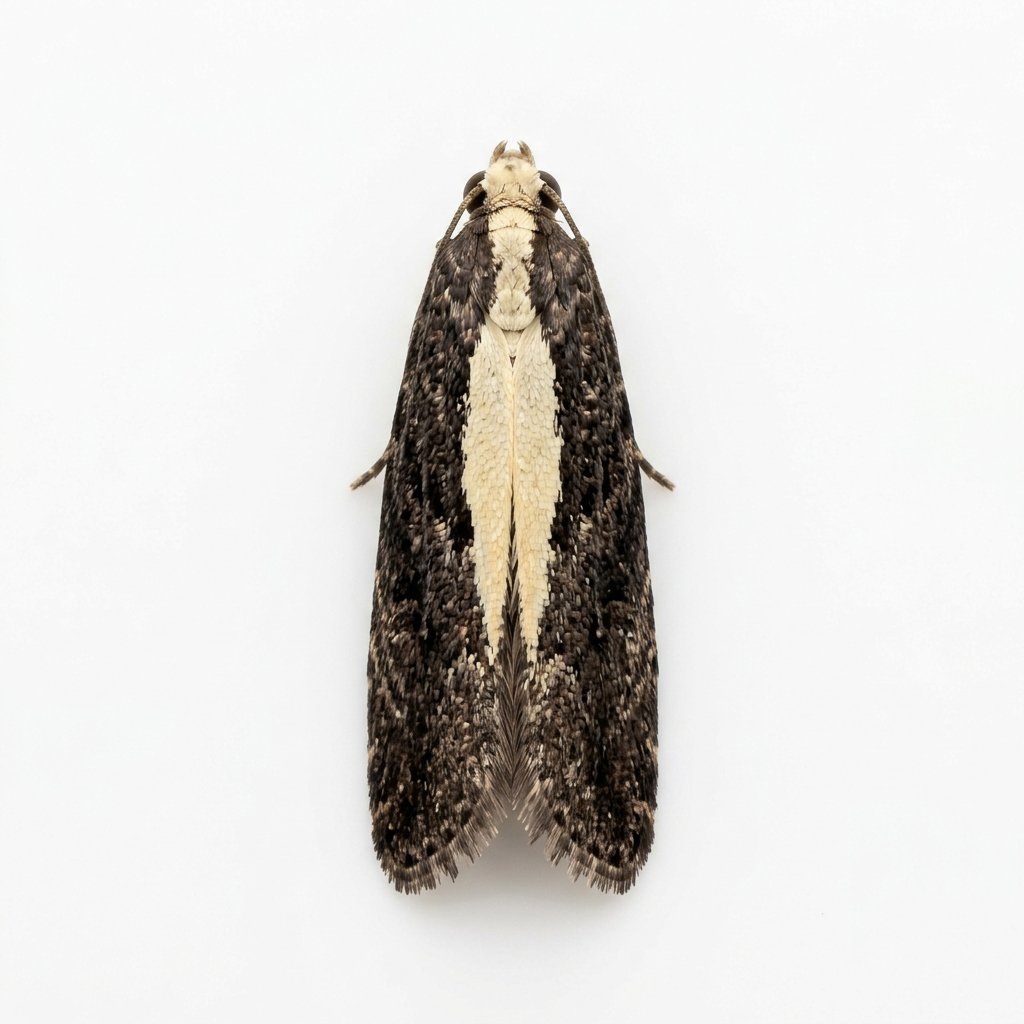
White-Shouldered House Moth
Scavenges on stored food, old bird nests and debris. Found in lofts, cupboards and quiet undisturbed corners.
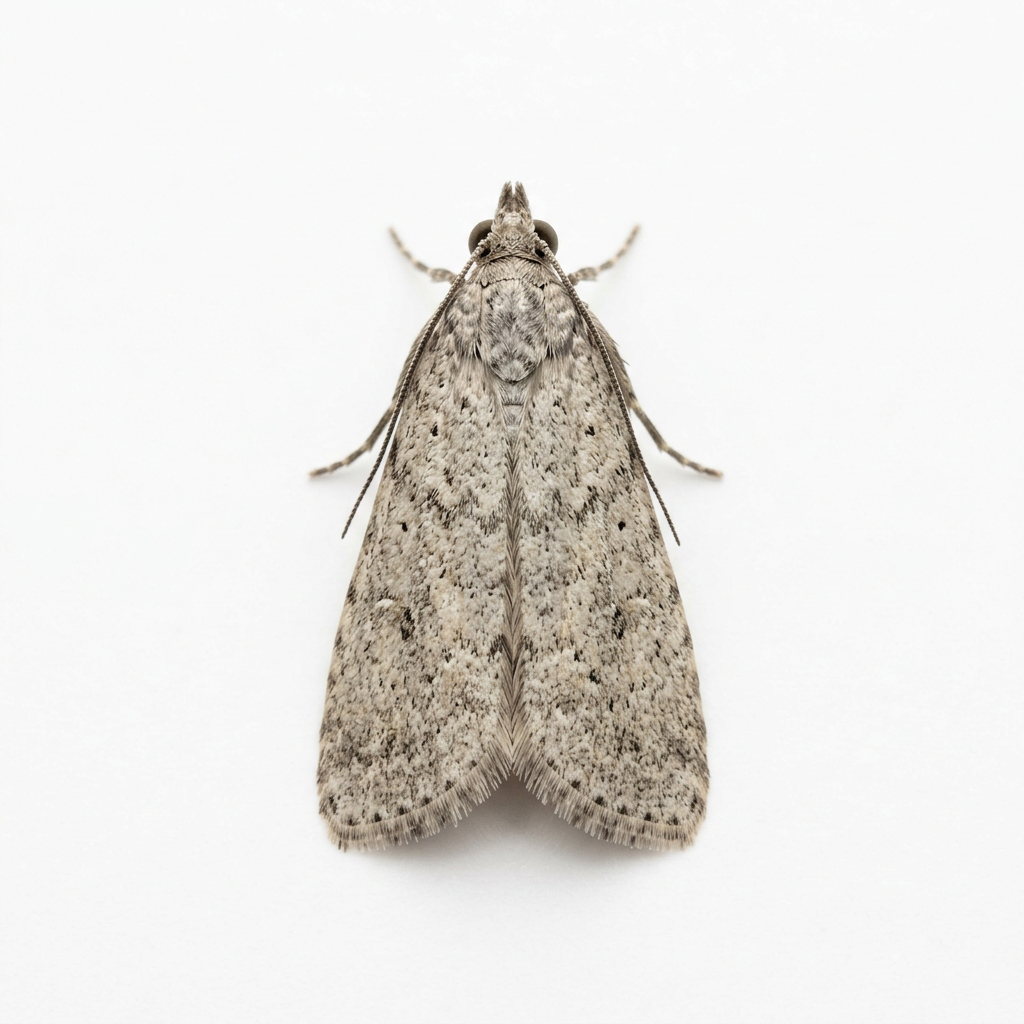
Mill Moth
Mill Moth
A stored-product moth that infests flour, grain and cereals. Usually comes in with infested dry food and breeds in the pack.
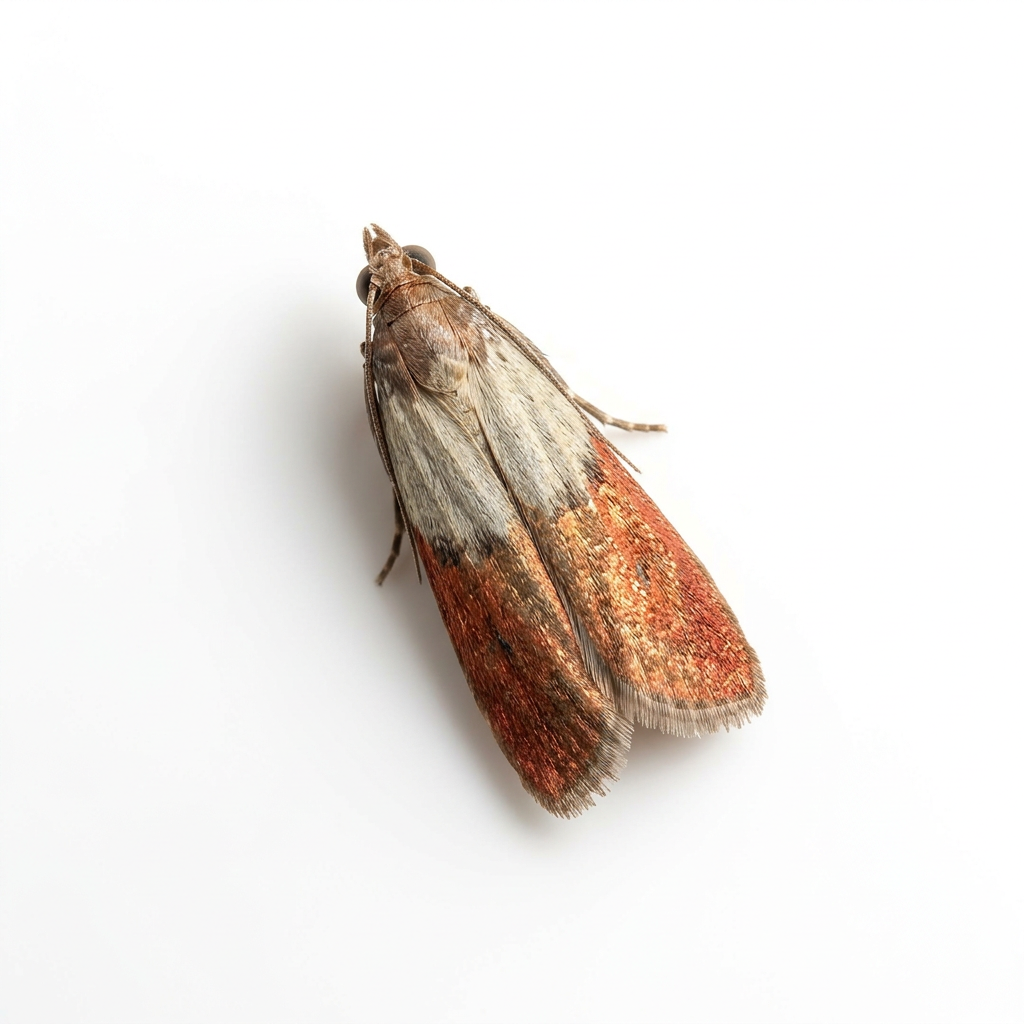
Indian Meal Moth
Indian Meal Moth
The most common pantry moth. Infests dried fruit, nuts, grain and pet food. Usually arrives in shop-bought packets.
Case-Bearing Clothes Moth
Larvae eat wool, fur and feathers, dragging a small case as they go. Found in wardrobes, carpets and under furniture.
Clothes Moth
Clothes Moth
The main carpet and clothes pest. Larvae eat wool, carpets and natural fibres in dark, undisturbed spots.
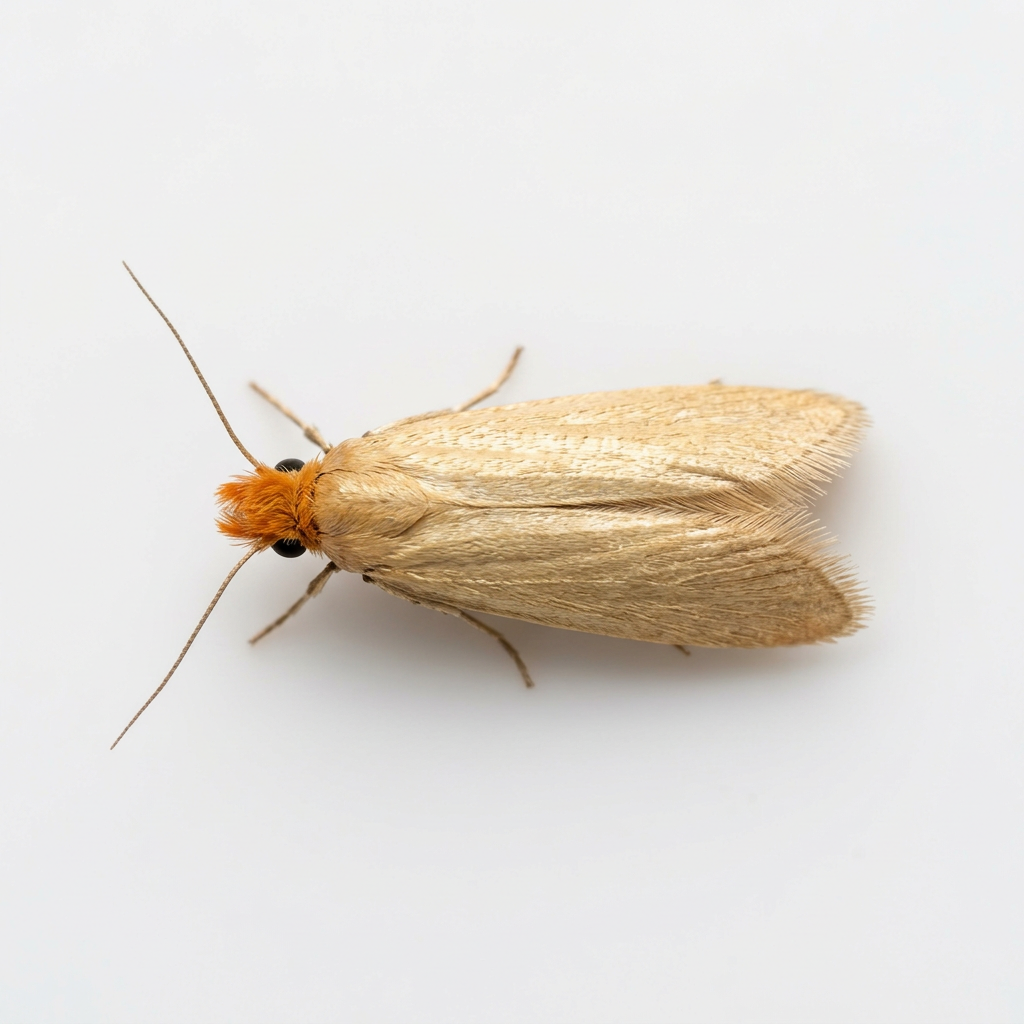
Pale-Backed Clothes Moth
Feeds on fibres, feathers and debris, often in old bird nests, lofts and neglected corners.
Meal Moth
Meal Moth
A stored-product moth of damp grain, flour and animal feed. Common in barns, stores and pantries.
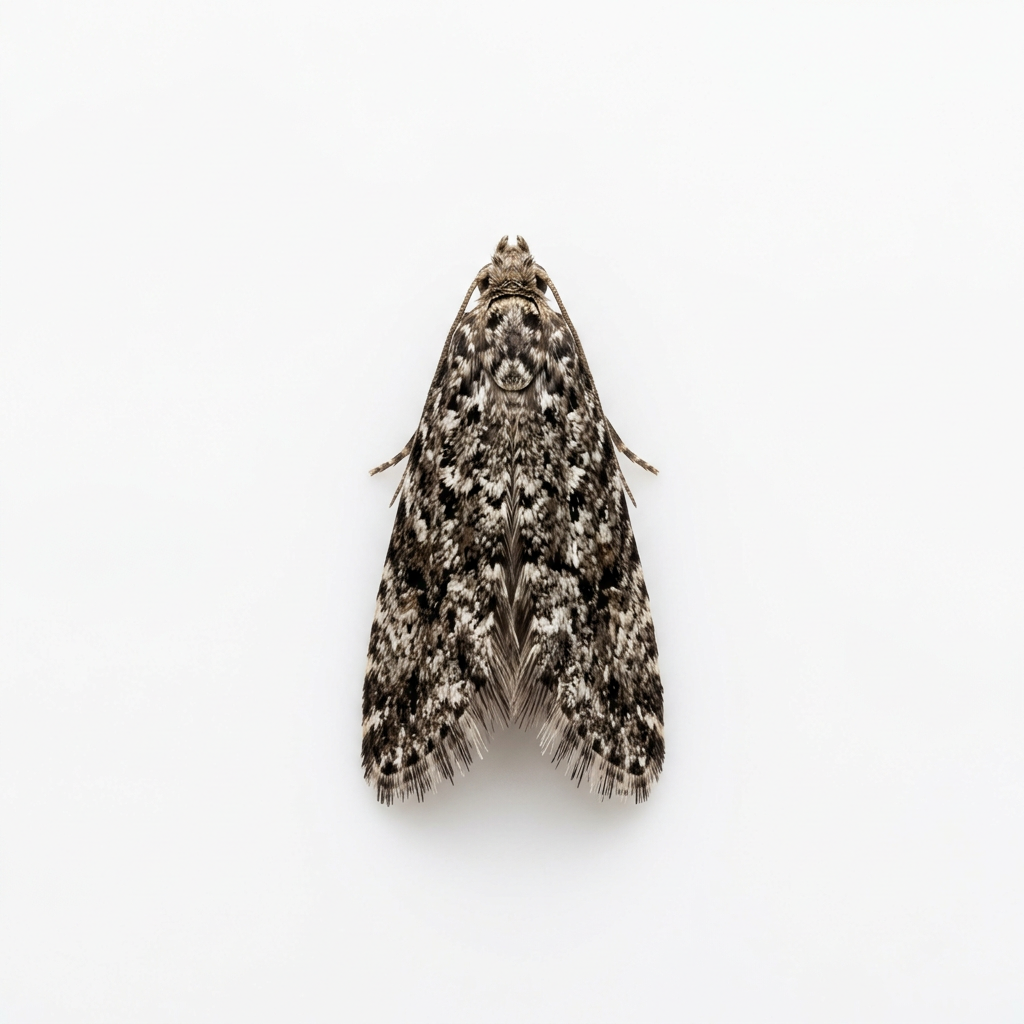
European Grain Moth
European Grain Moth
Infests stored grain and cereals, often in lofts and old stores. Larvae web grains together as they feed.

Beetles

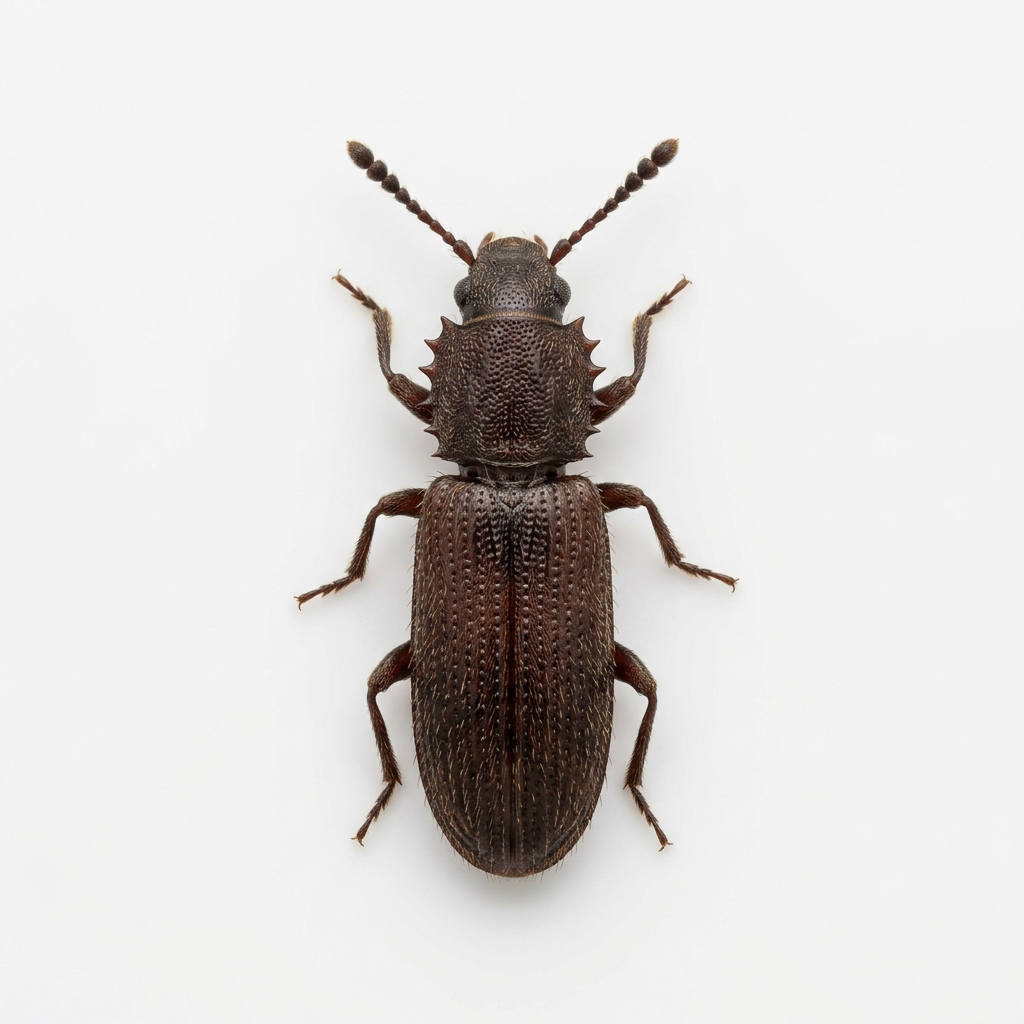
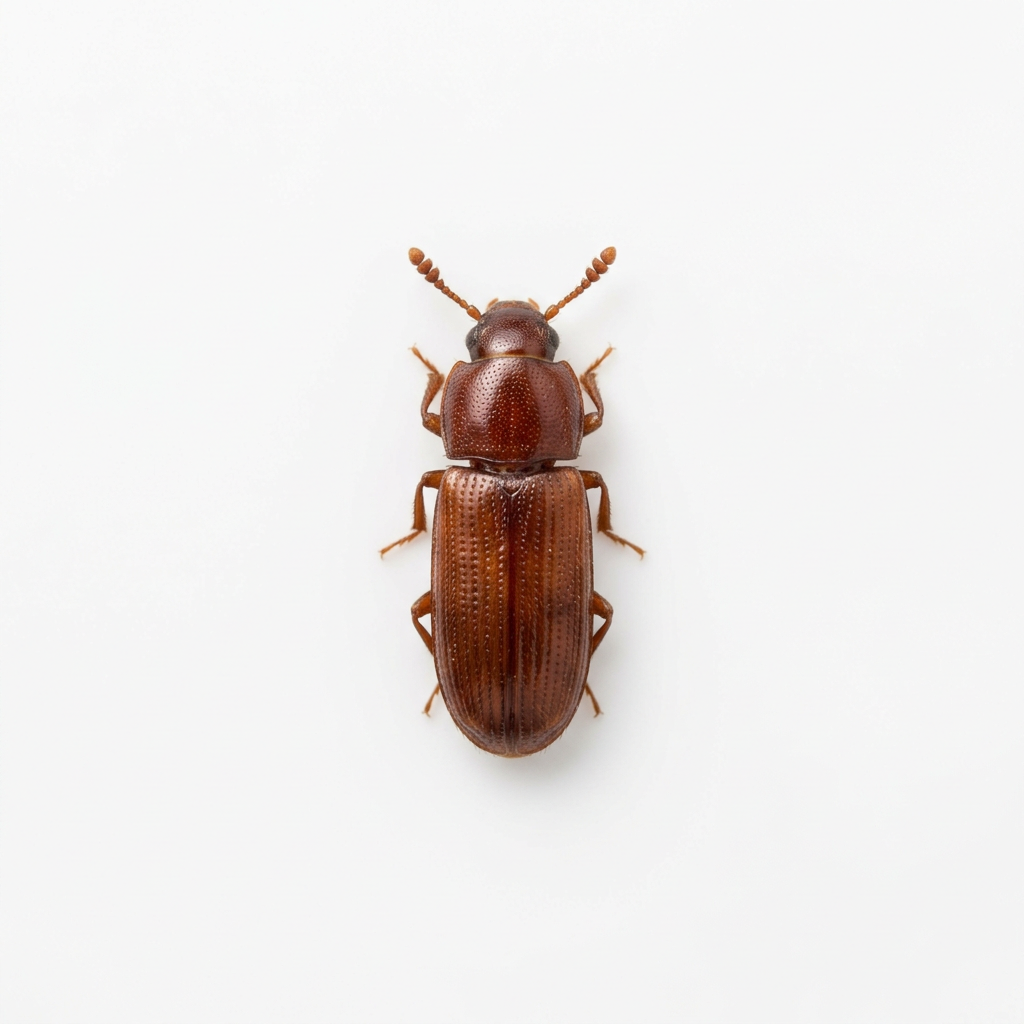
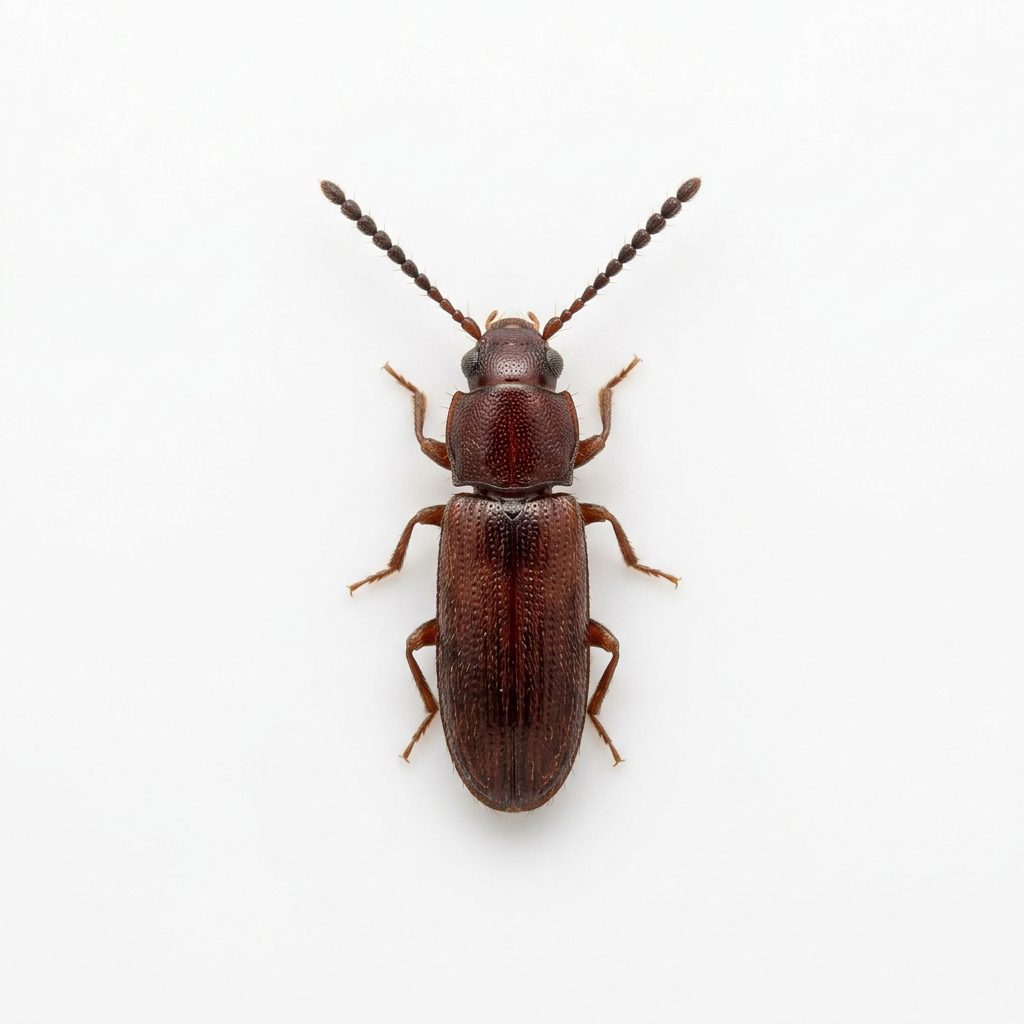
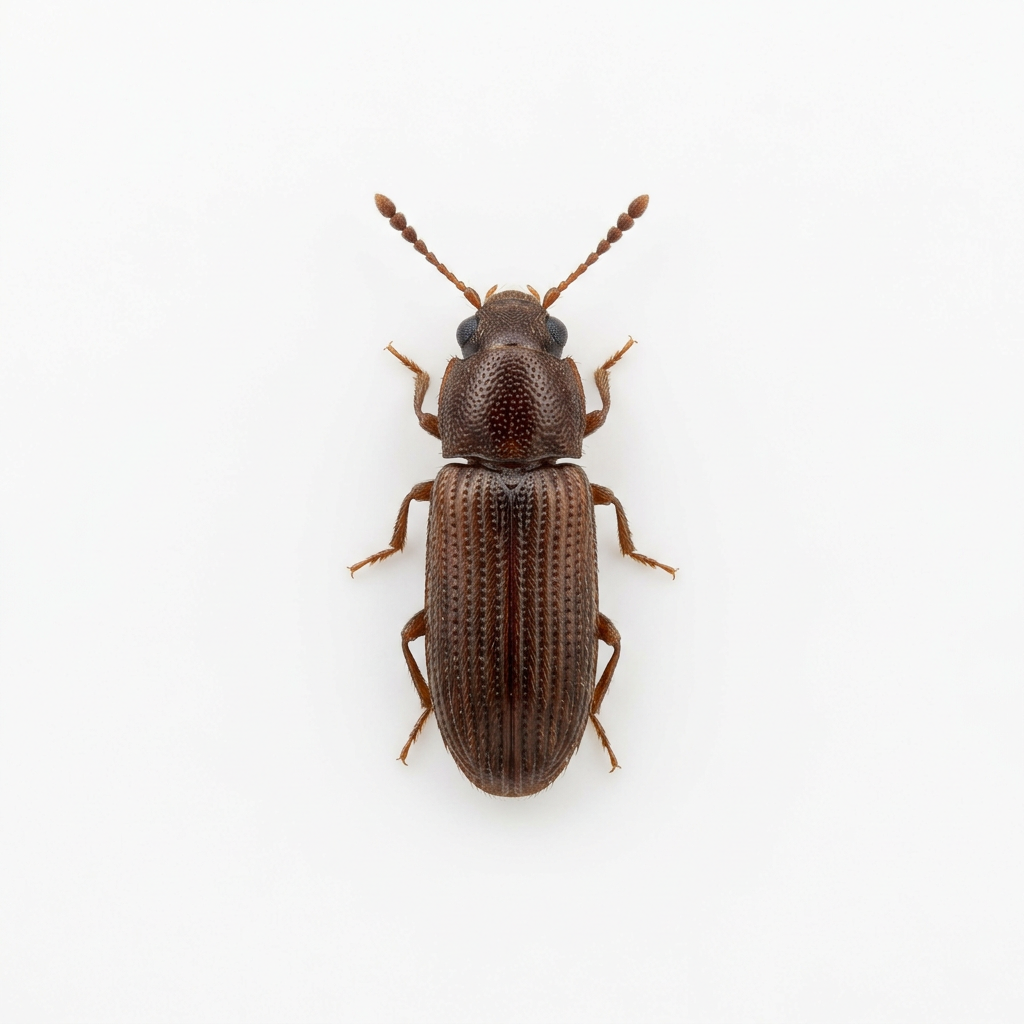
Saw-Toothed Grain Beetle
A tiny pest of dry food. Infests flour, cereal, dried fruit and pet food in cupboards. Usually arrives in packaging.
Grain Weevil
Grain Weevil
Bores into whole grains and pasta. Found in stored cereals and dry goods, often brought in with infested stock.
Flour Beetle
Flour Beetle
Common in flour, cereal and dry mixes. Breeds inside the pack and spreads through a cupboard quickly.
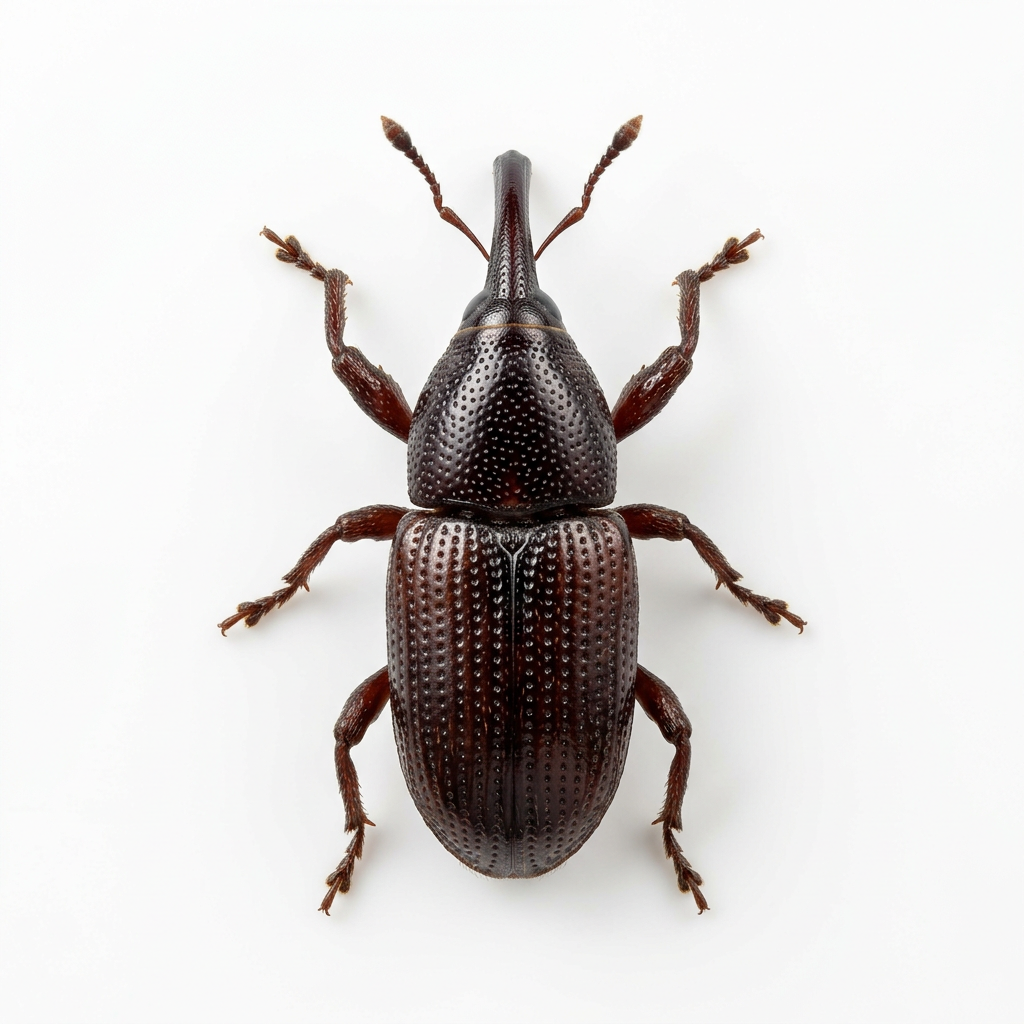
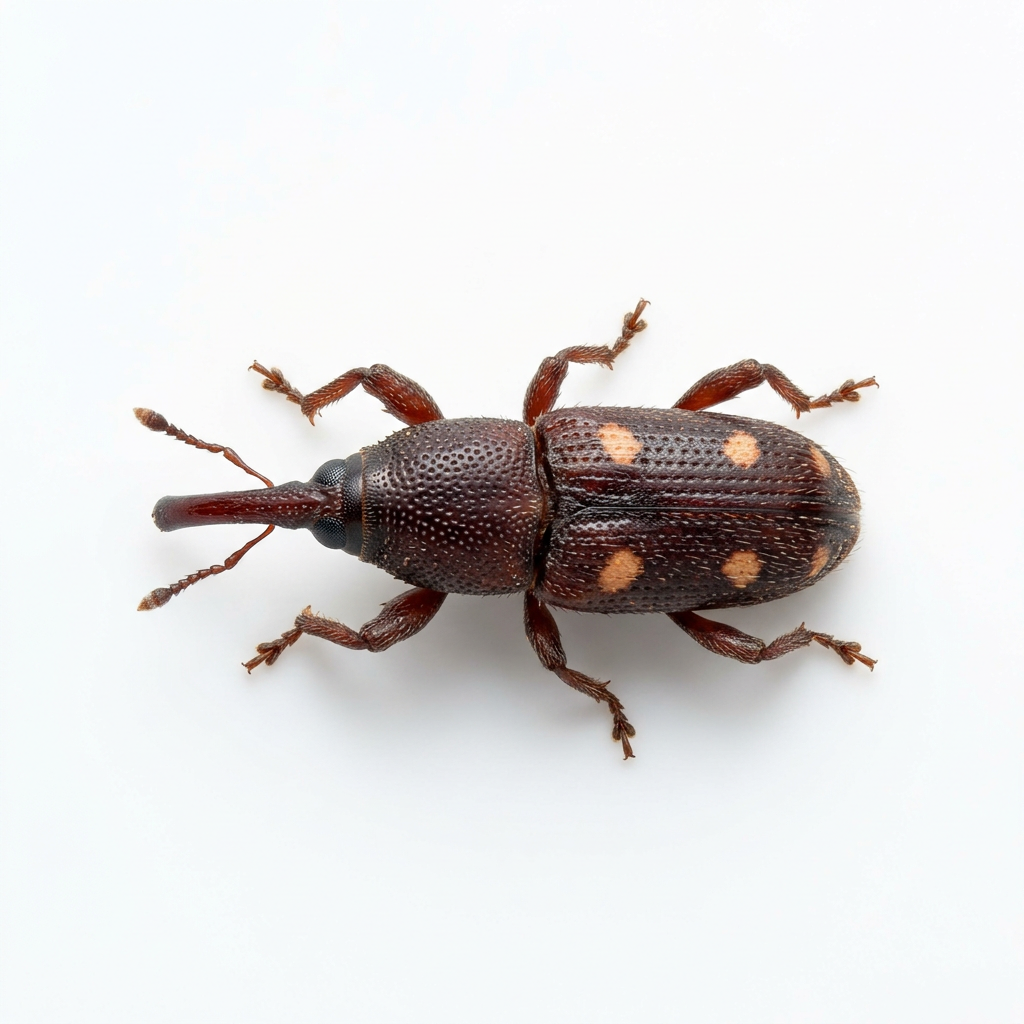
Rice Weevil
Rice Weevil
Attacks rice, grain and pasta. Comes in with infested dry food and breeds inside the grains.
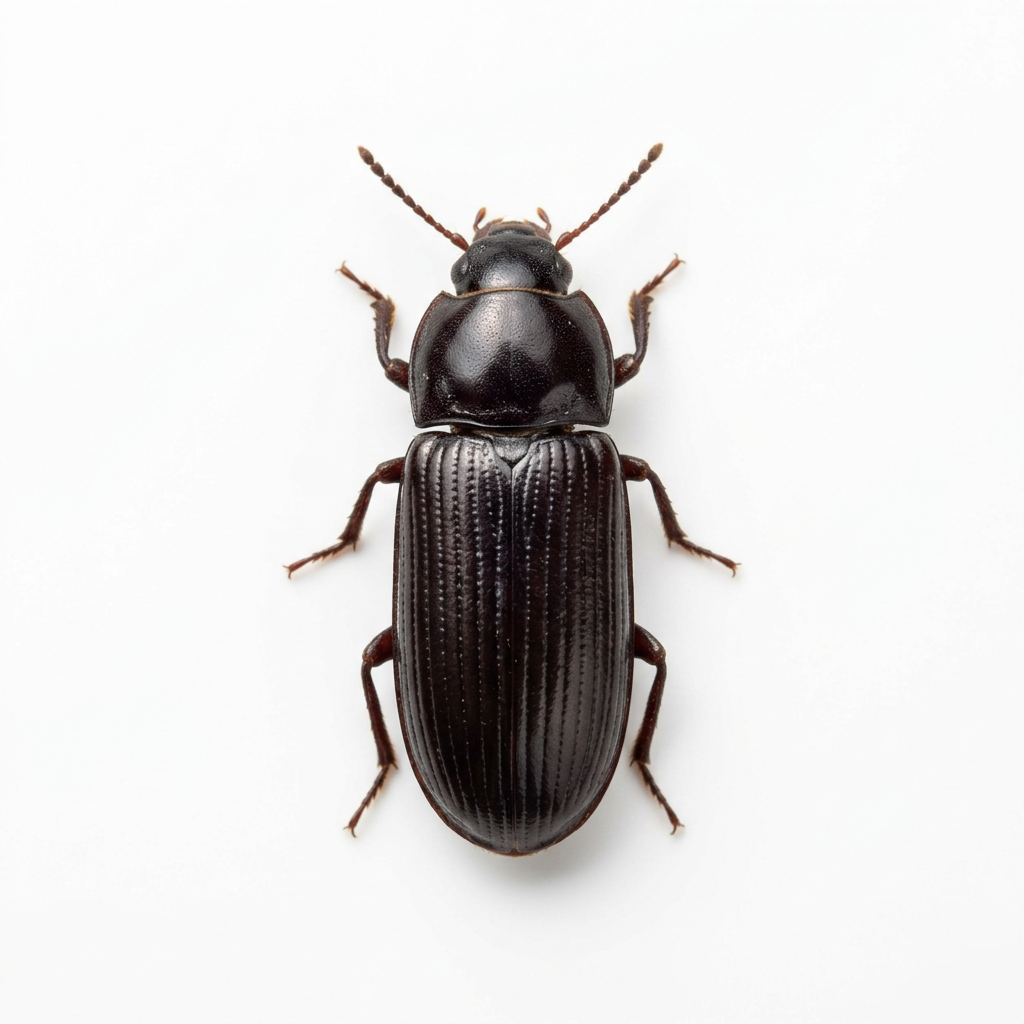
Yellow Mealworm Beetle
Found in damp neglected grain and cereal stores, lofts and bird nests. Likes dark, undisturbed dry food.
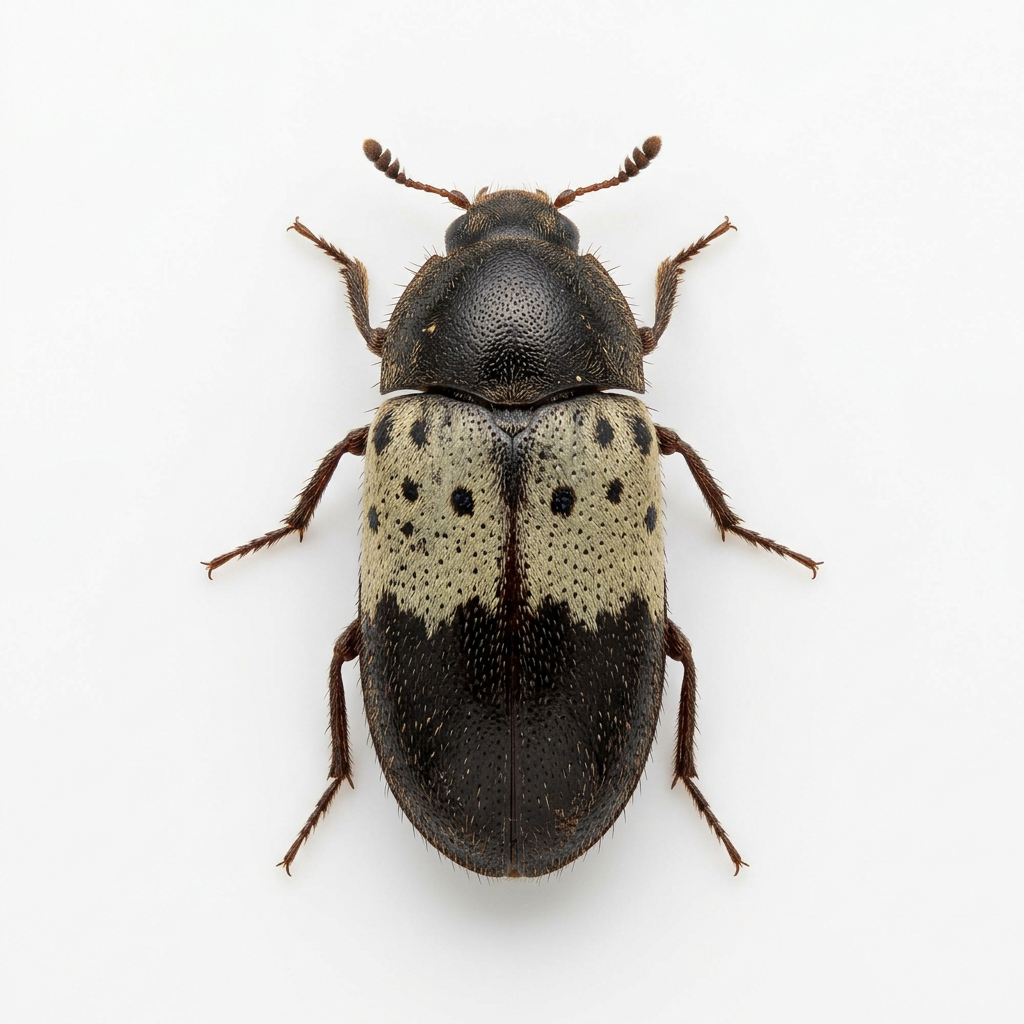
Larder Beetle
Larder Beetle
Feeds on meat, cheese, skins and dead insects. Found in pantries, lofts and around old bird or wasp nests.
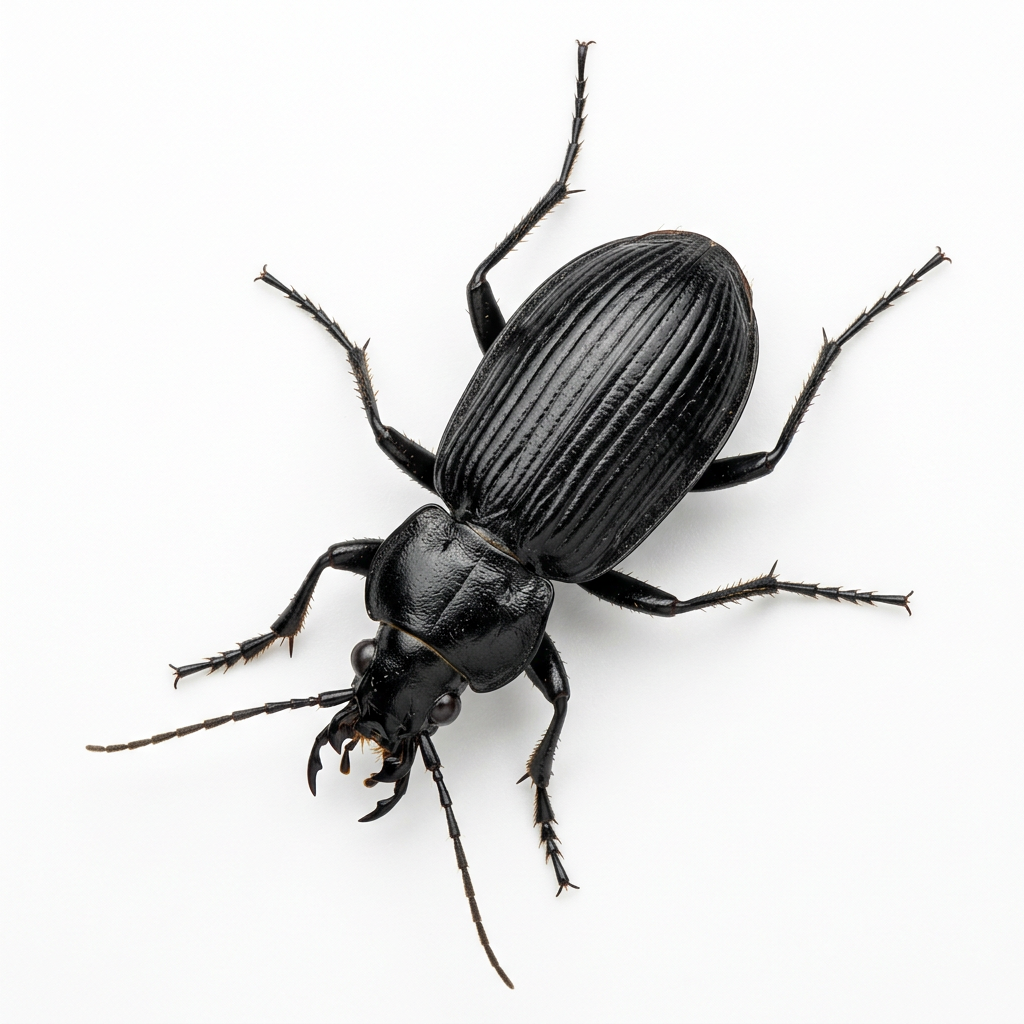
Ground Beetle
Ground Beetle
An outdoor beetle that wanders indoors by accident, usually through gaps at ground level. Harmless and just passing through.
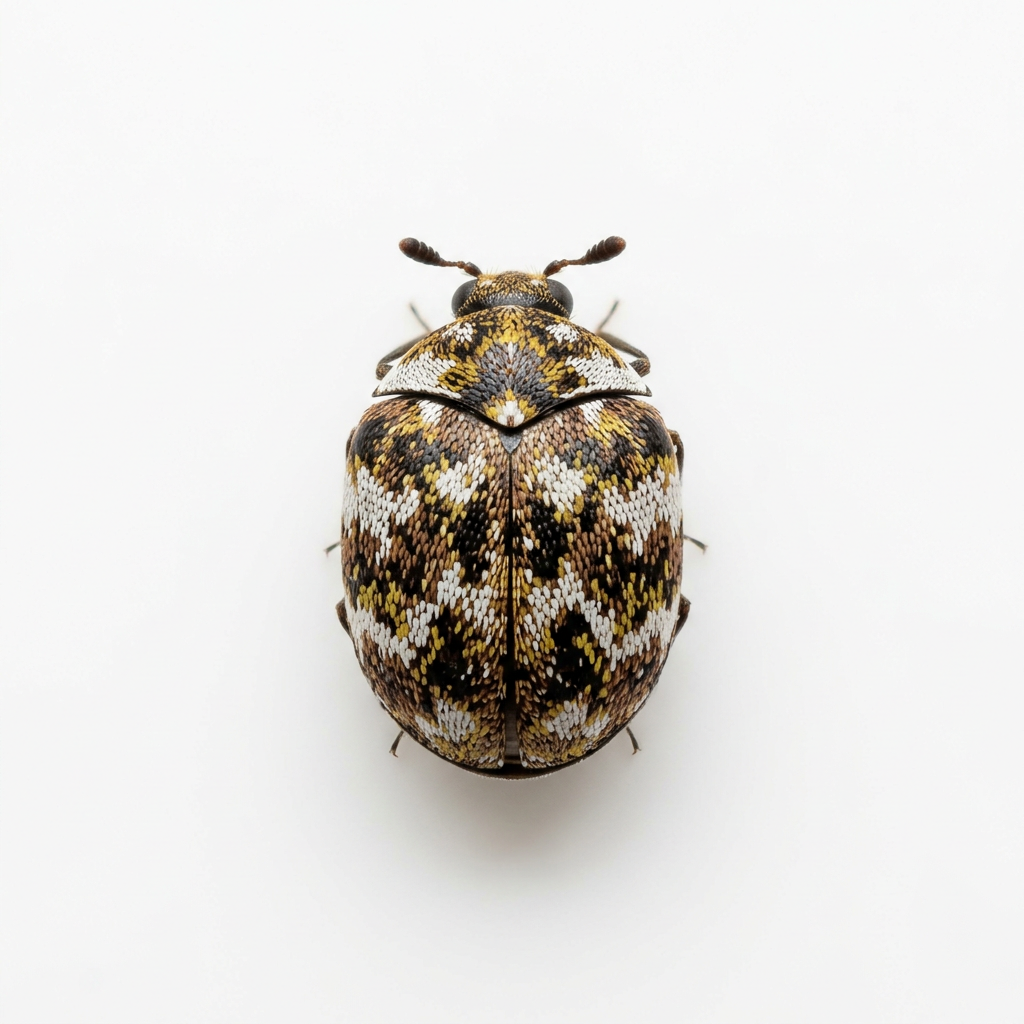
Varied Carpet Beetle
Larvae, the woolly bears, eat wool, carpets and natural fibres. Adults come in from flowers and bird nests in lofts.
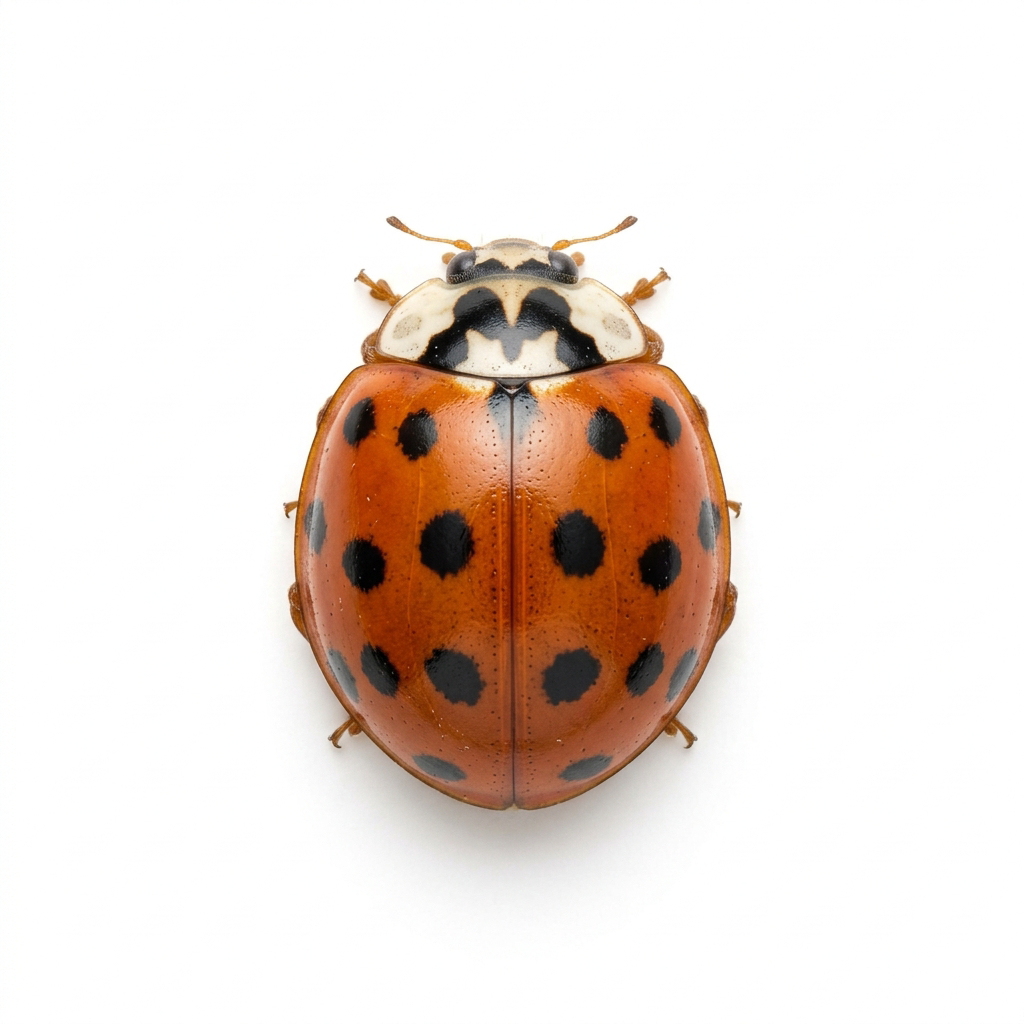
Harlequin Ladybird
Harlequin Ladybird
An invasive ladybird that gathers indoors in autumn to hibernate, often in clusters around windows and in lofts.
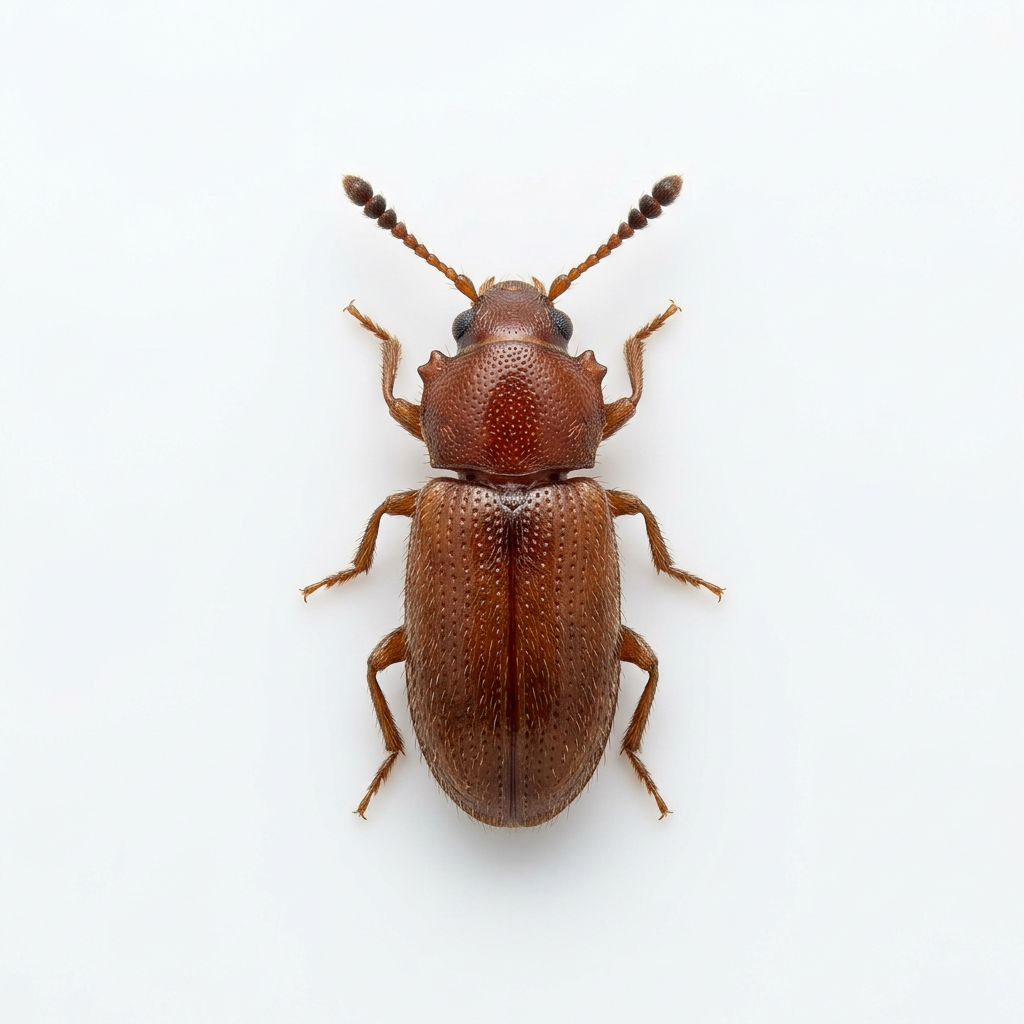
Flat Grain Beetle
Flat Grain Beetle
A very small beetle of damp grain and cereal. Found in stored food and feed, usually where there is moisture.
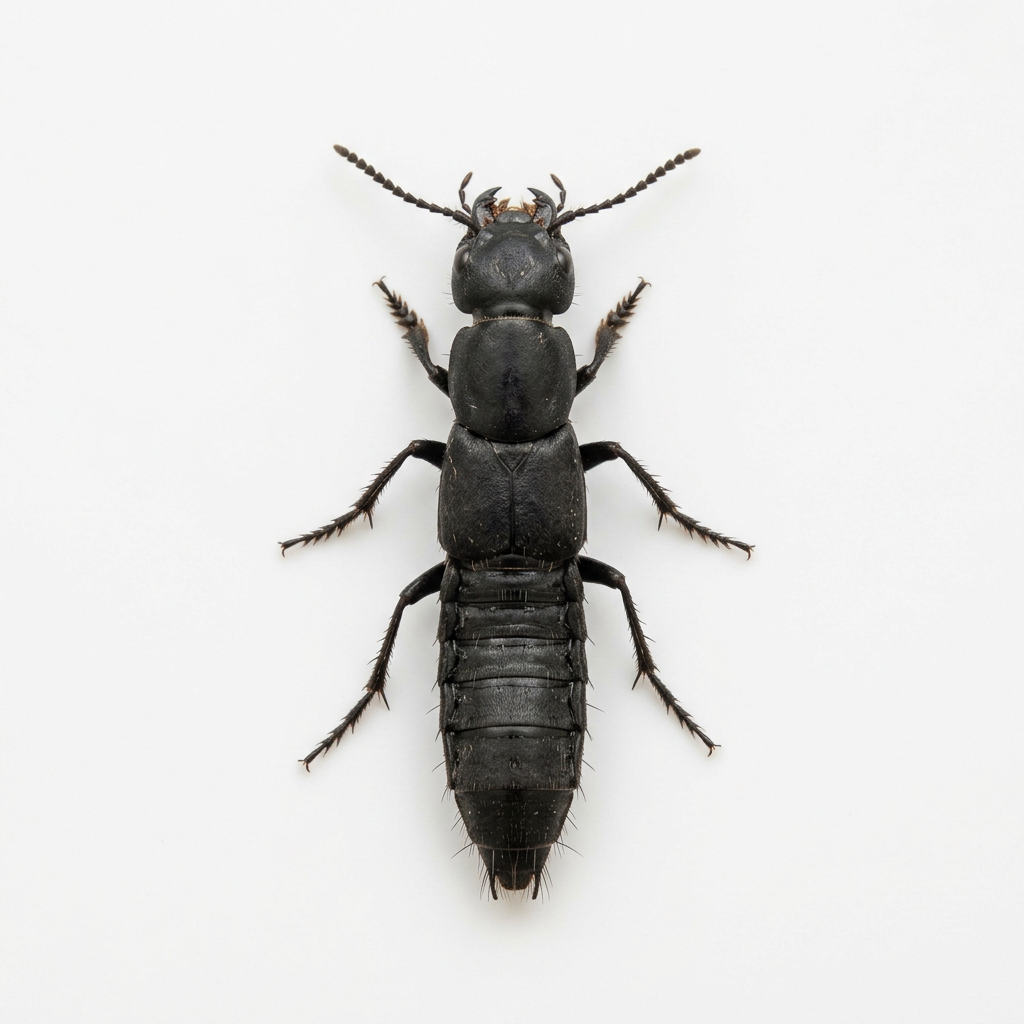
Devil's Coach Horse
Devil's Coach Horse
A black beetle that raises its tail when disturbed. Lives outdoors and wanders in by accident through gaps.
Foreign Grain Beetle
Feeds on mould, so it appears in new-build properties and around fresh plaster and condensation while they dry out.
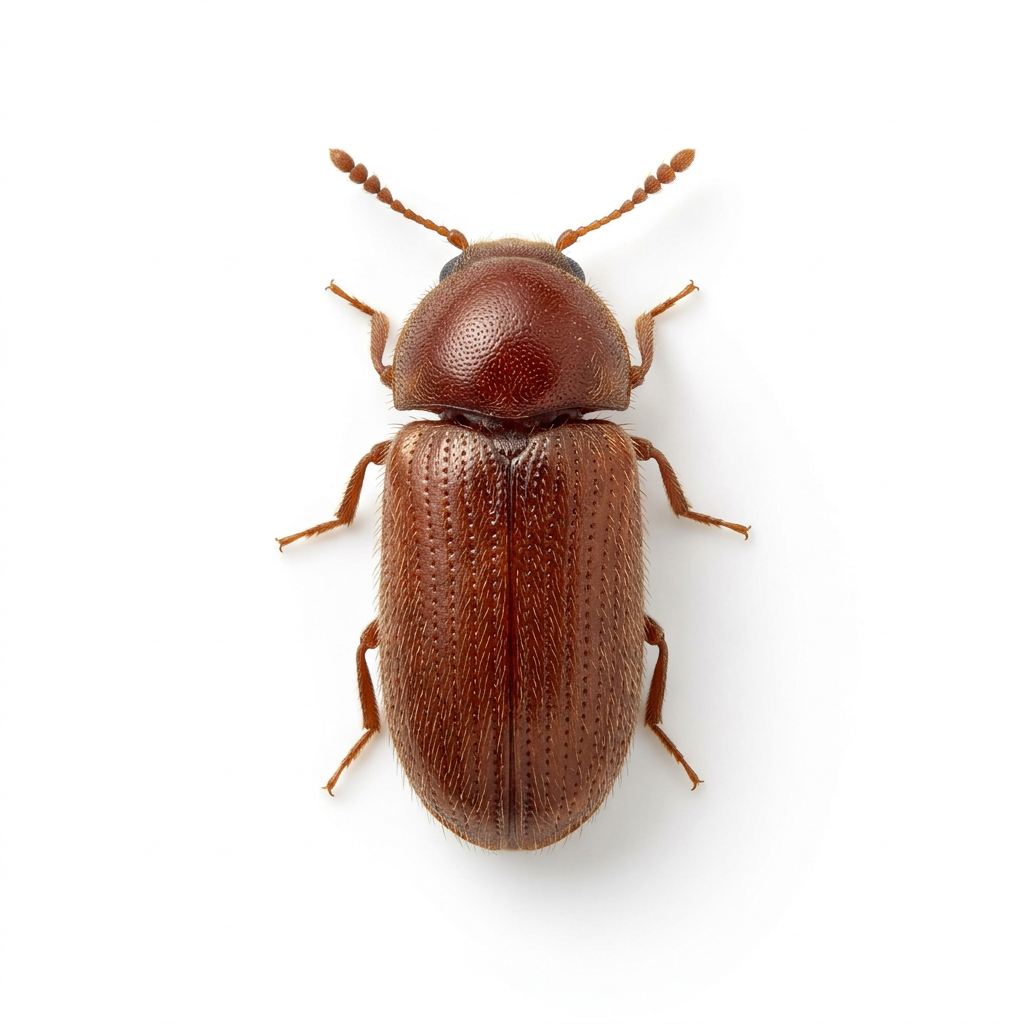
Tobacco Beetle
Tobacco Beetle
Infests dried tobacco, spices, herbs and dry foods. Comes in with infested stock and breeds in the pack.
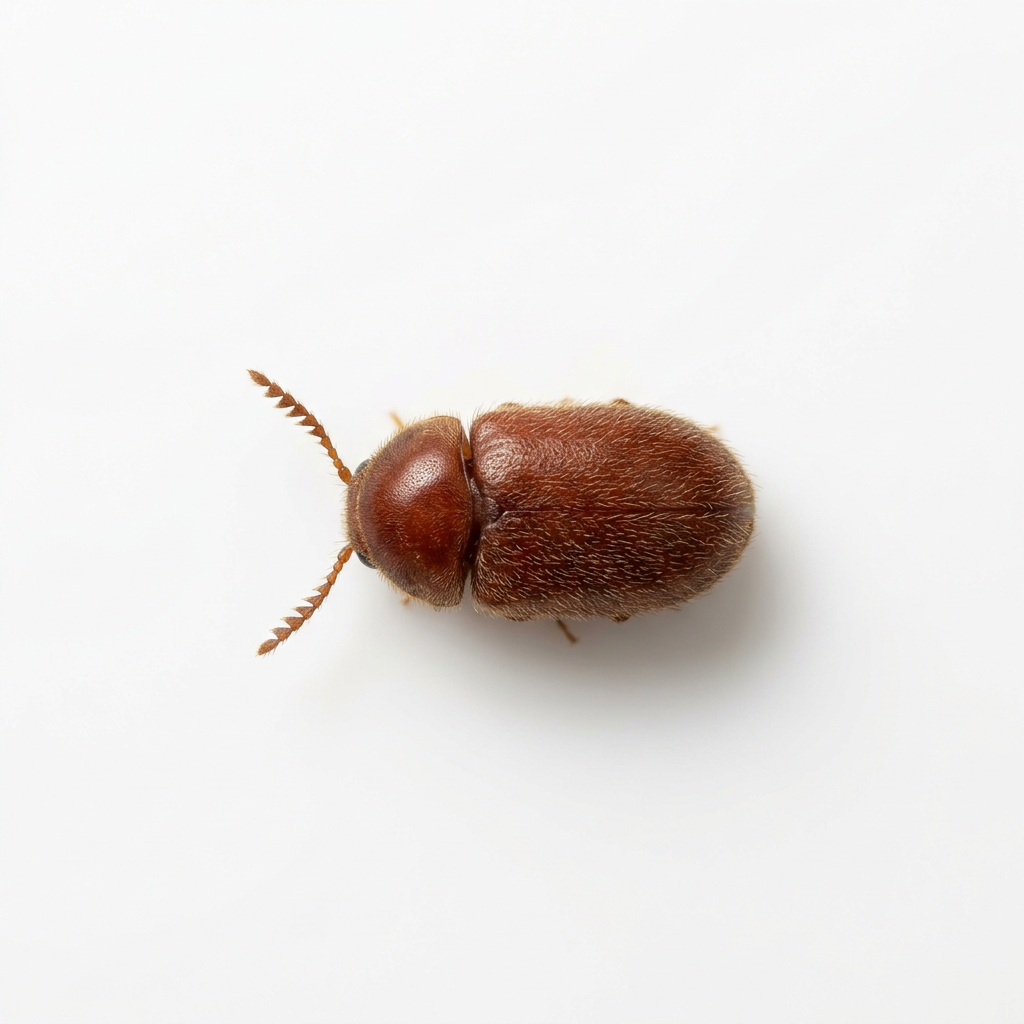
Biscuit Beetle
Biscuit Beetle
A common pantry beetle. Bores into biscuits, flour, spices and pet food. Usually arrives in shop packaging.
Mould Beetle
Mould Beetle
Feeds on mould and damp residue. A sign of damp, often in new-builds, cellars and poorly ventilated rooms.
Spider Beetle
Spider Beetle
A small spider-like beetle that scavenges old food, debris and droppings in lofts, stores and wall voids.
Plaster Beetle
Plaster Beetle
Feeds on mould on damp plaster and surfaces. Common in new or freshly plastered properties while they dry out.
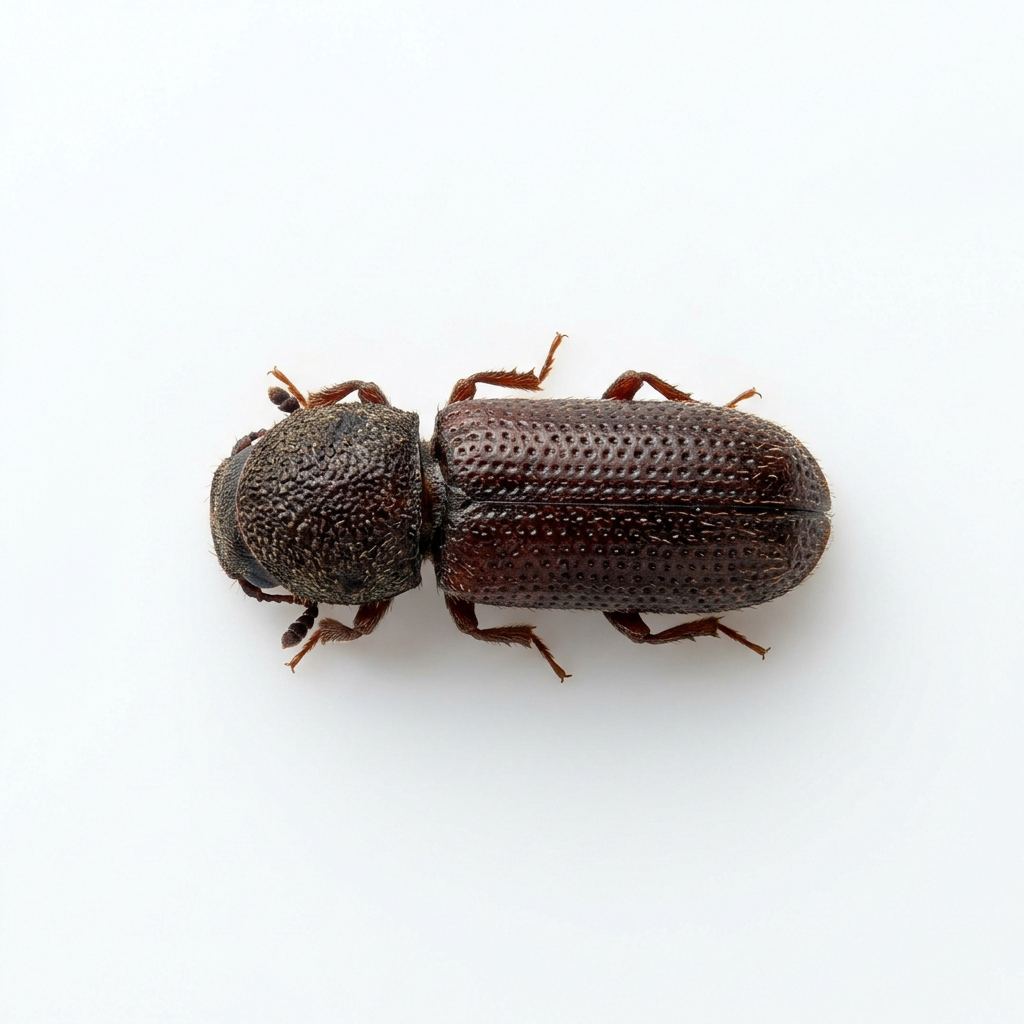
Lesser Grain Borer
Lesser Grain Borer
Bores into whole grain and cereals. Found in stored grain and dry goods, usually brought in with stock.
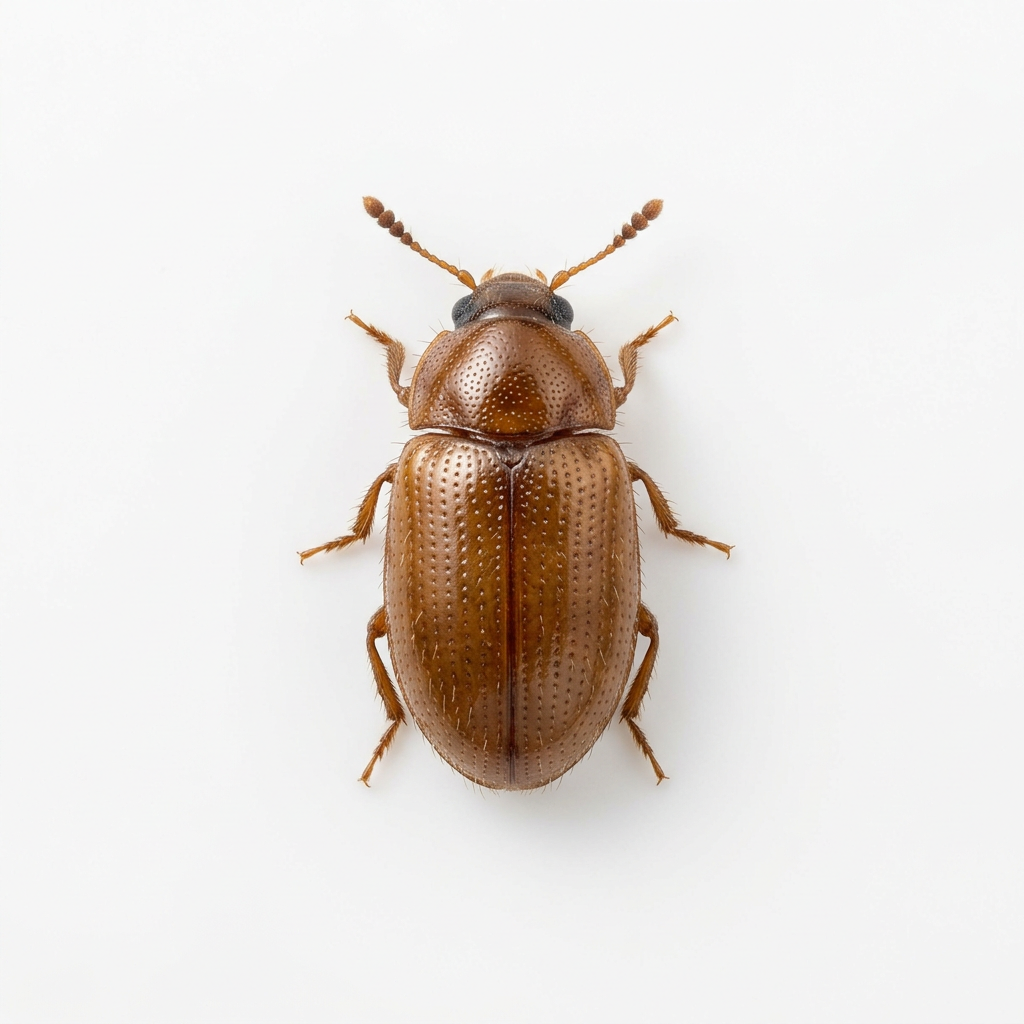
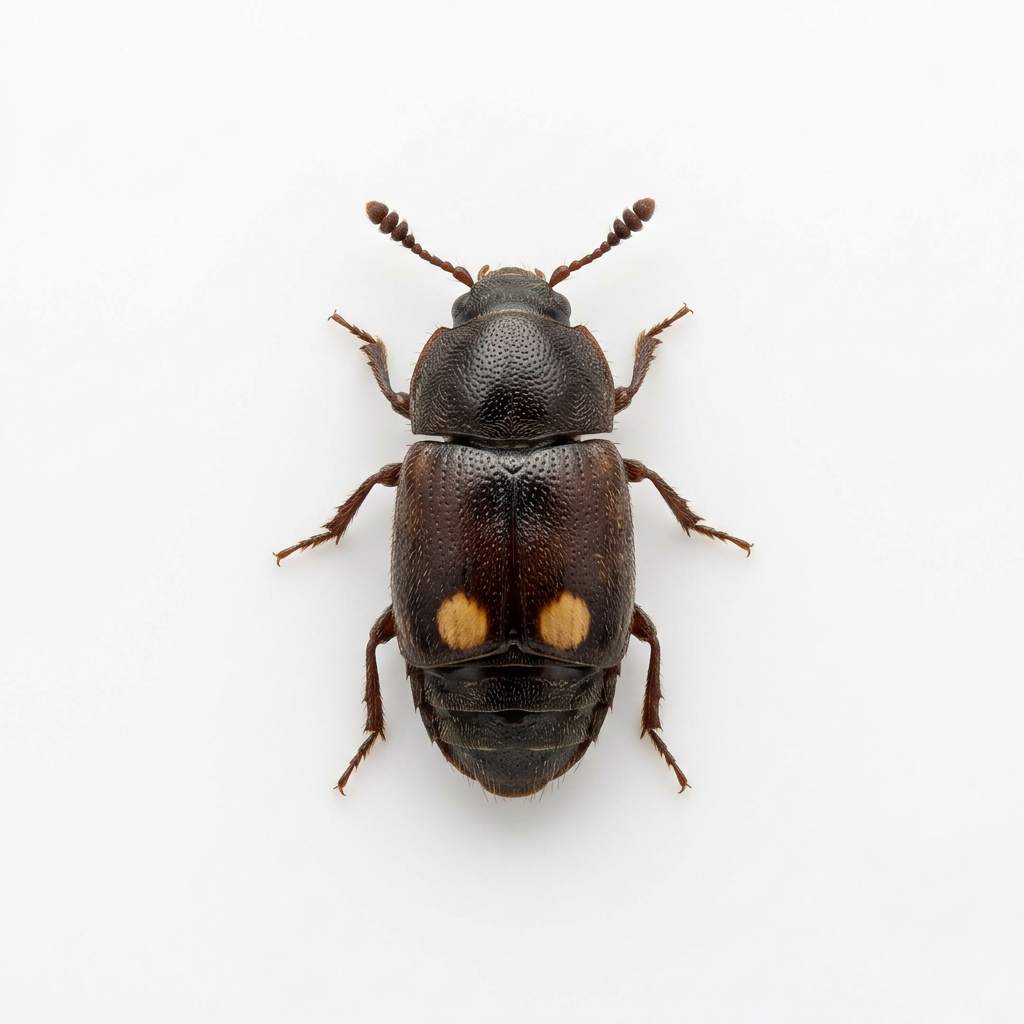
Dried Fruit Beetle
Dried Fruit Beetle
Attacks dried fruit, nuts and sweet stored food. Drawn to ripe, fermenting and stored produce.
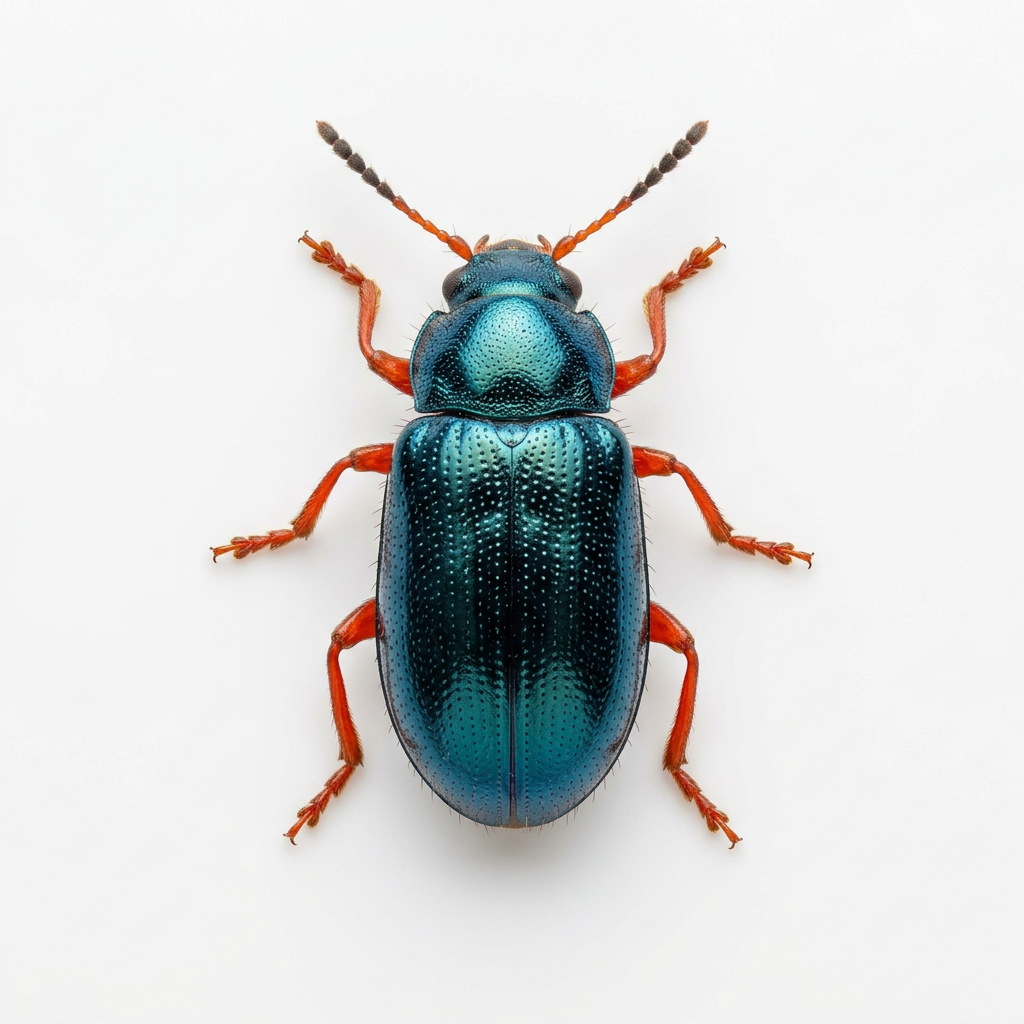
Red-Legged Ham Beetle
Feeds on cured meats, cheese and dried fish. Found in pantries and stores where these foods are kept.
Other Household Insects

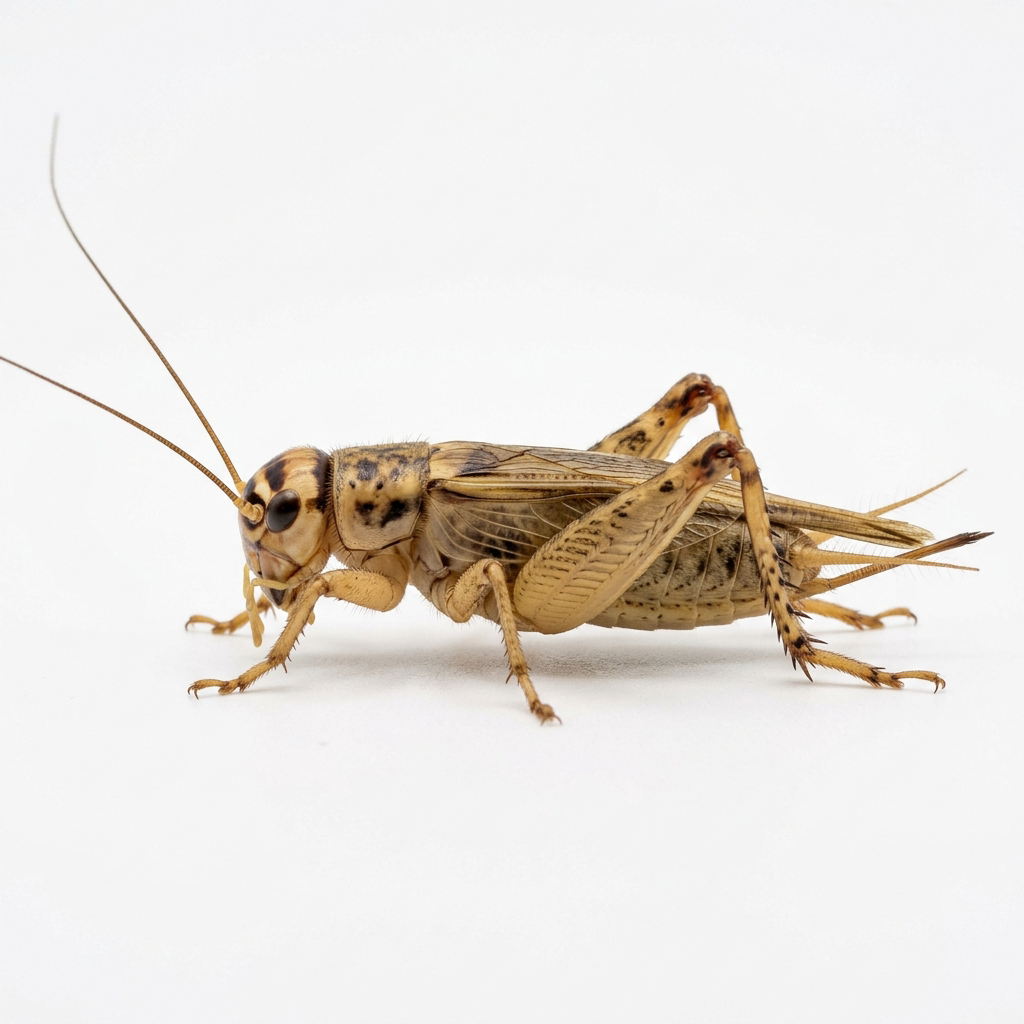
House Cricket
House Cricket
Likes warmth, so it gathers near boilers, kitchens and warm cavities. Chirps at night and comes in seeking heat and food.
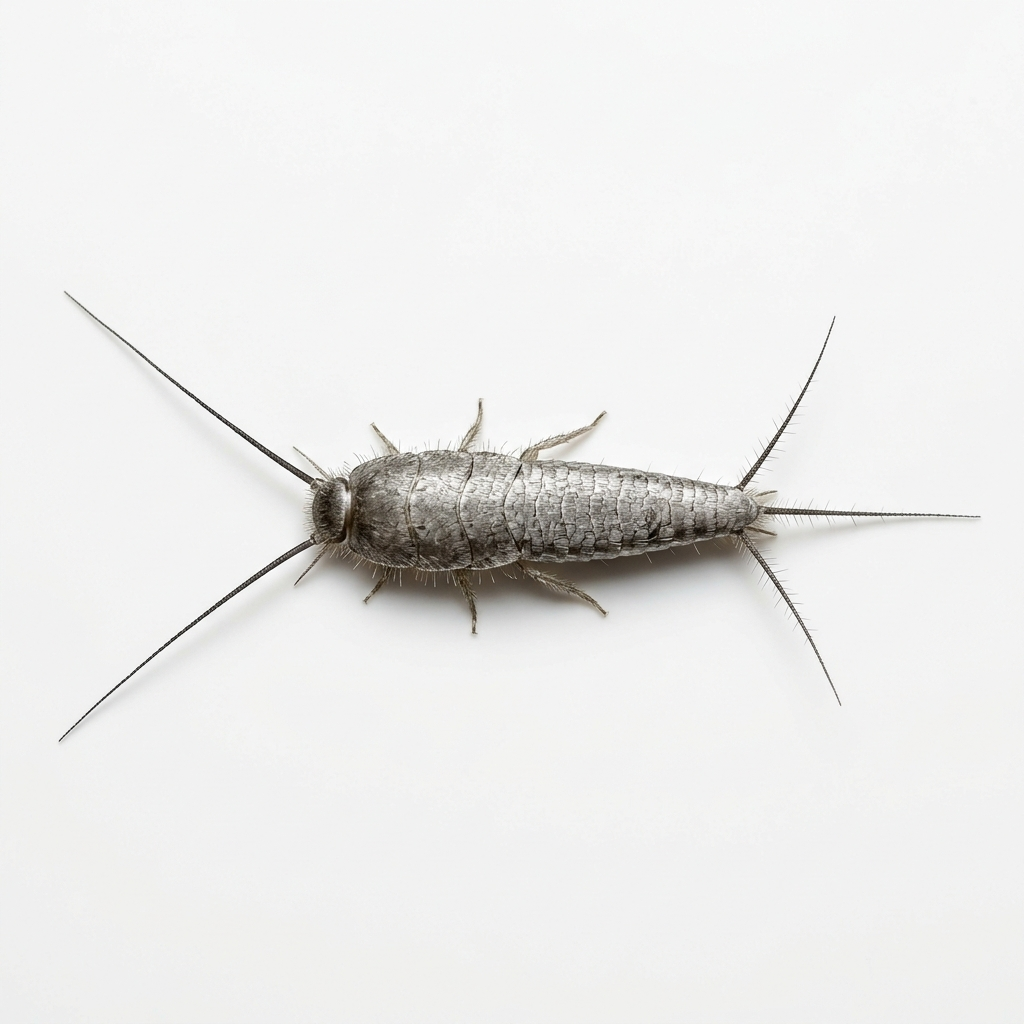
Silverfish
Silverfish
Loves damp, so it lives in bathrooms, kitchens and around sinks. Feeds on starch, paper and mould in humid spots.
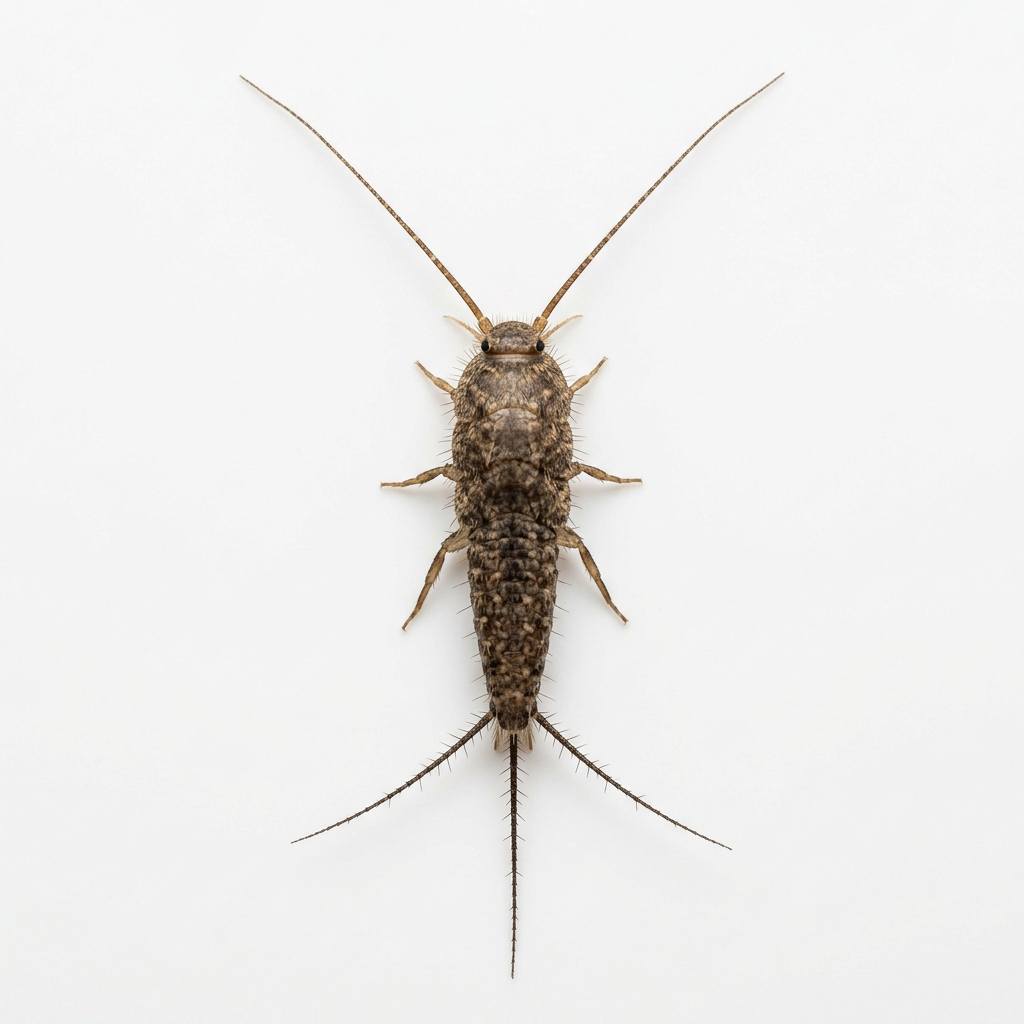
Firebrat
Firebrat
Like silverfish but prefers heat. Found near boilers, hot pipes and airing cupboards where it is warm and humid.
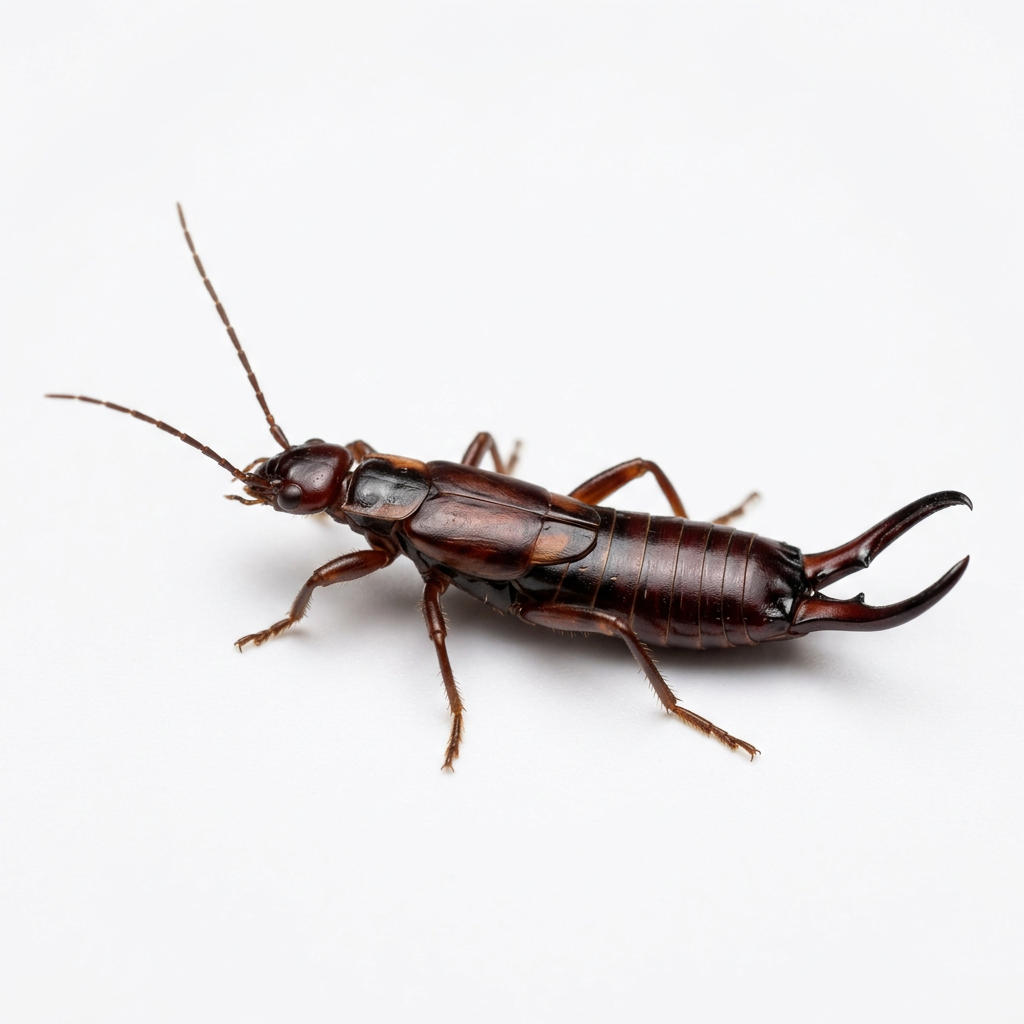
Earwig
Earwig
An outdoor insect that shelters in cool damp gaps. Wanders indoors through doors and airbricks, mostly in late summer.
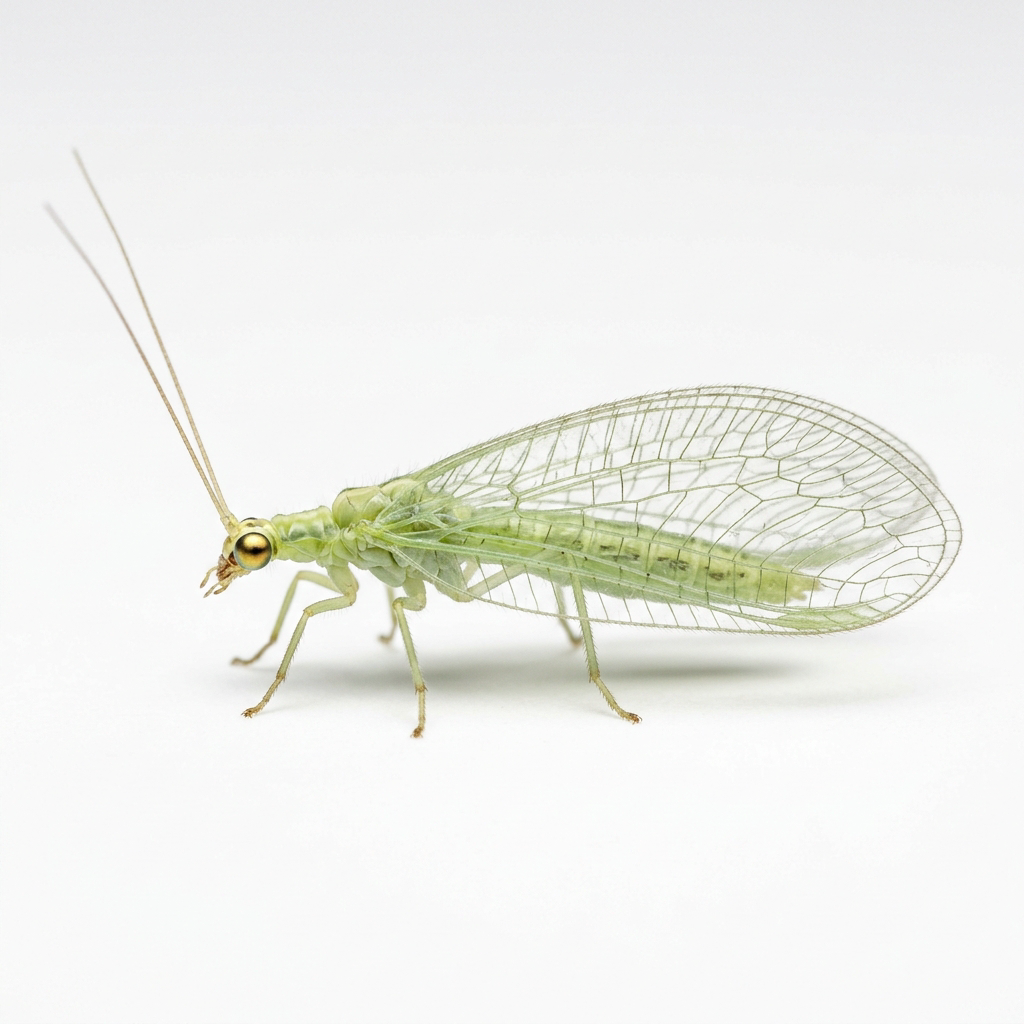
Lacewing
Lacewing
A harmless garden insect that comes indoors in autumn to hibernate, drawn to lights and warm window frames.
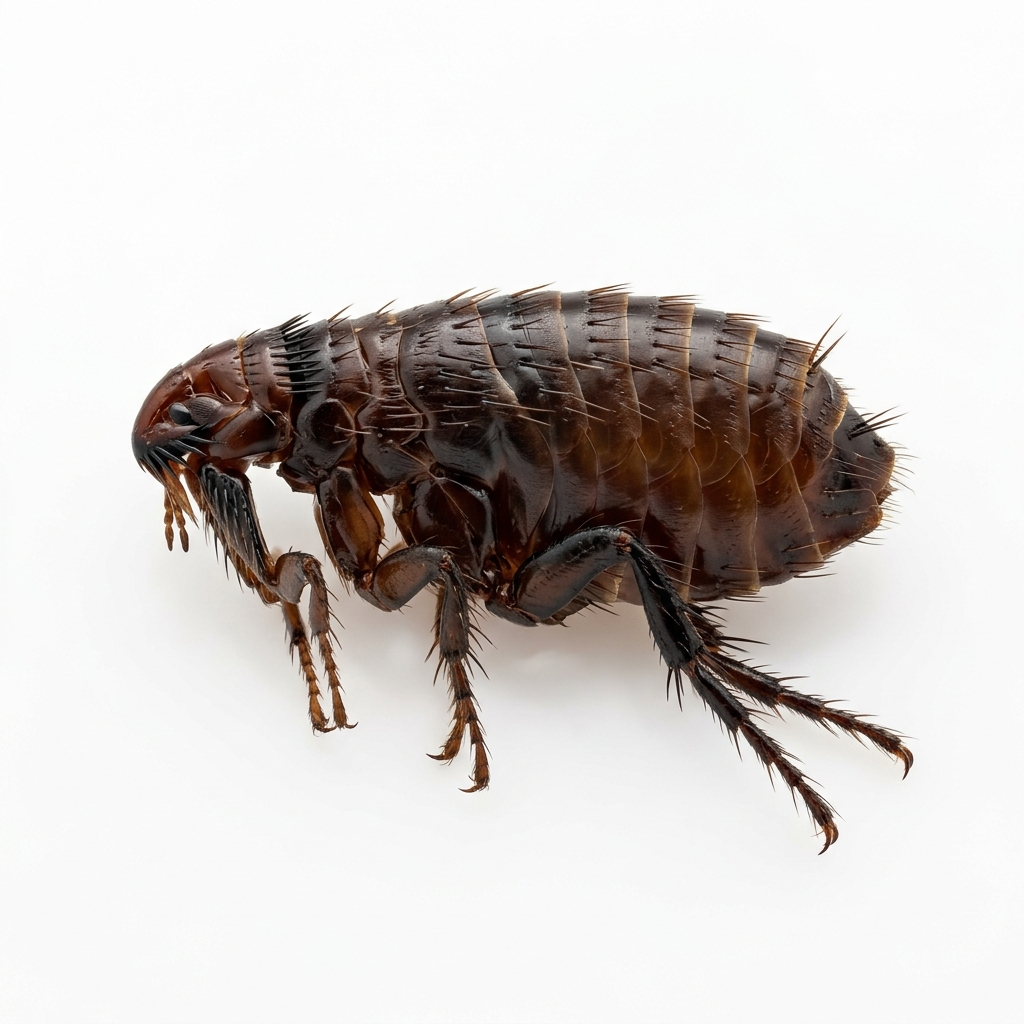
Cat Flea
Cat Flea
The flea found on cats, dogs and in carpets. Comes in on pets and breeds in carpets, bedding and floor gaps.
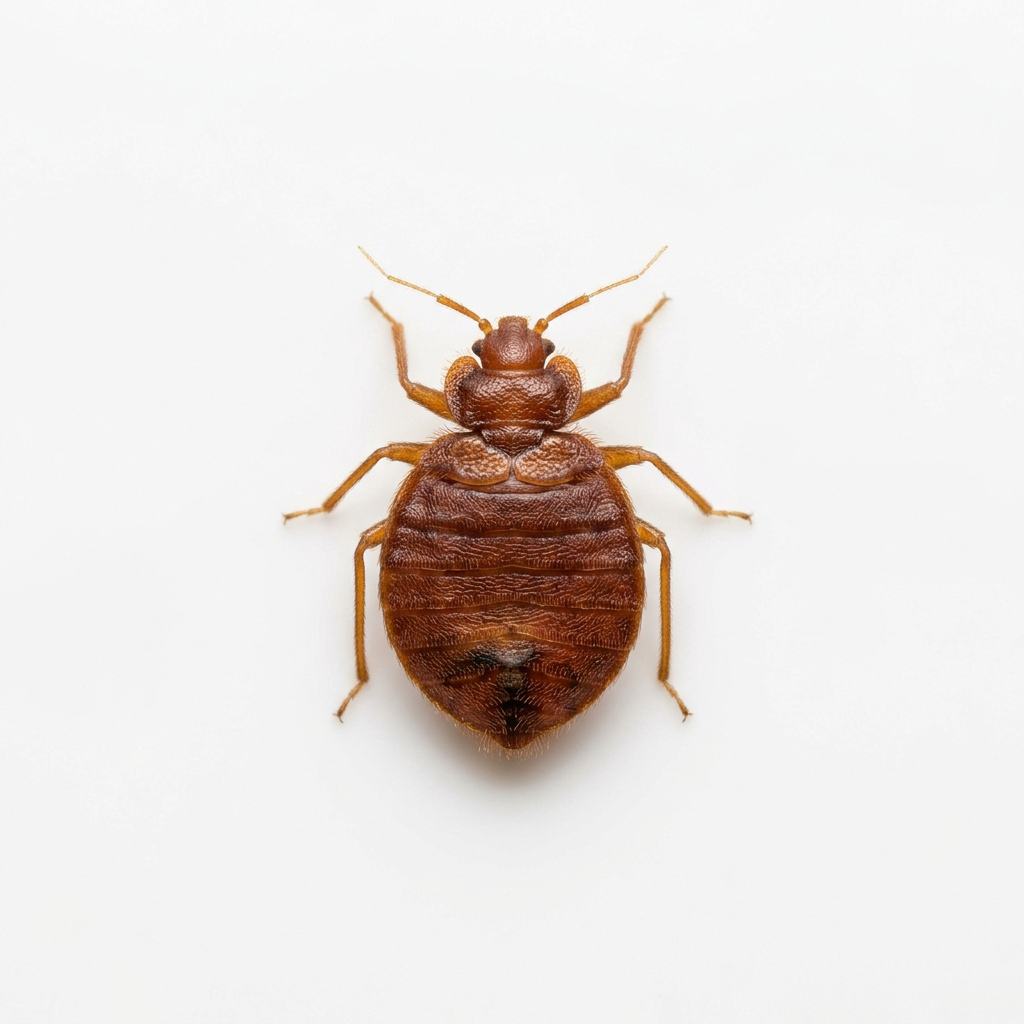
Bedbug
Bedbug
Hides in mattresses, headboards and bed frames. Brought in on luggage, furniture and clothing, then feeds at night.
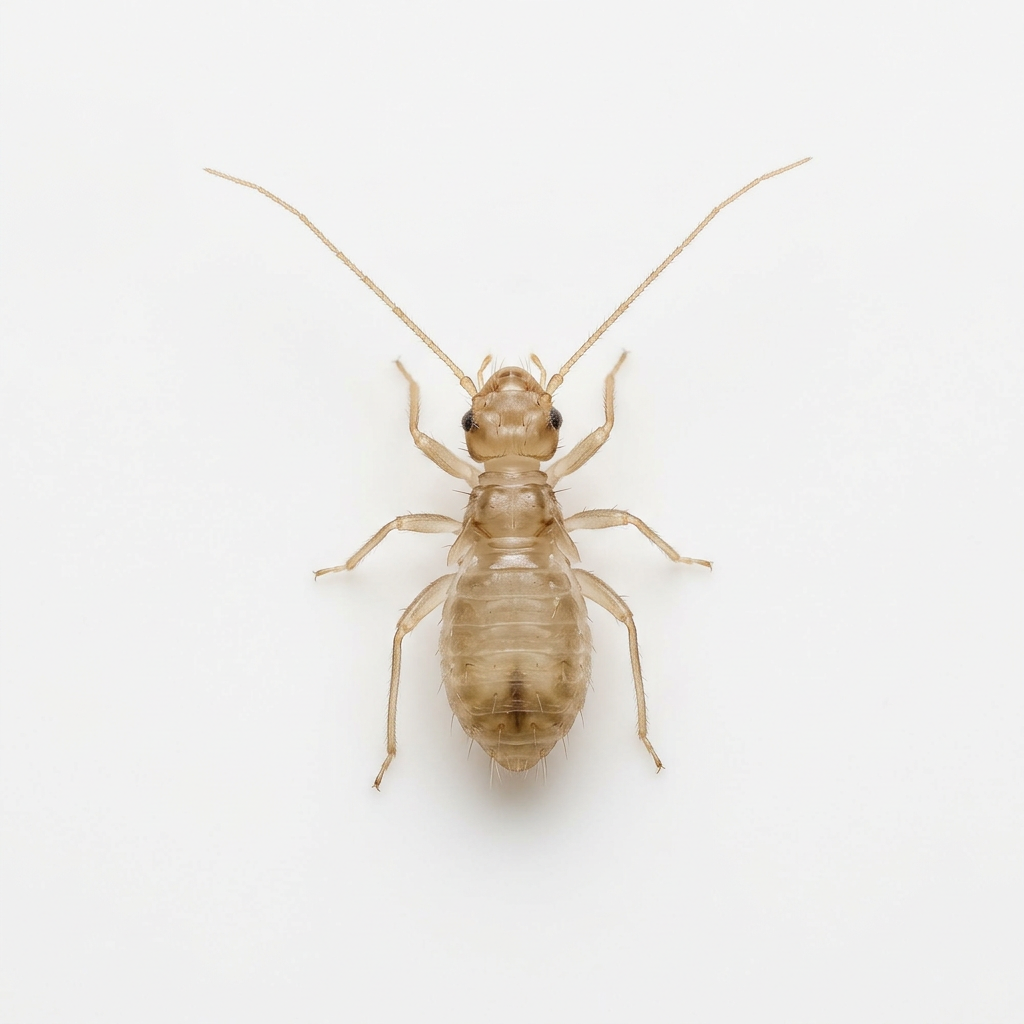
Booklouse
Booklouse
A tiny insect that feeds on mould and damp paper. A sign of humidity, found in new-builds, books and stored boxes.

Can't see your pest here?

Send a clear photo on WhatsApp and we'll identify it for you and point you to the right guide. Please bear with us though, we're working pest controllers and often out on jobs, so it can take a little while to reply. We will always get back to you.

For the best result, send a clear photo. Get as close as you can without blurring it, keep it in focus, and take it in good light. The clearer the photo, the more accurately we can identify it for you.

By sending a photo on WhatsApp, you confirm it is yours to share and you give us permission to use it on this website to help others. We will never show your name, address or contact details.

How it works

  1. Tap the green button above to open WhatsApp.
  2. Send your clear photo, and add a short note if you like, such as where you found it.
  3. We will take a look and reply with what it is and what to do next.