The most effective way to get rid of rats is to use heavy-duty break-back snap traps placed inside a tamper-resistant bait station, positioned along walls and run lines where rats travel. At the same time, you must seal every entry point into the building or the problem will keep coming back. For a small infestation caught early, this approach clears the problem in one to two weeks without the risks that come with rodenticide bait.
One thing worth knowing:
If you only put down two traps, you can only catch two rats at a time. Then you are left waiting, resetting them, or buying more.
A pest control company would normally put down 6 to 10 traps to deal with the issue properly.
It may cost a bit more at the start, but it often clears the problem quicker and works out cheaper in the end.
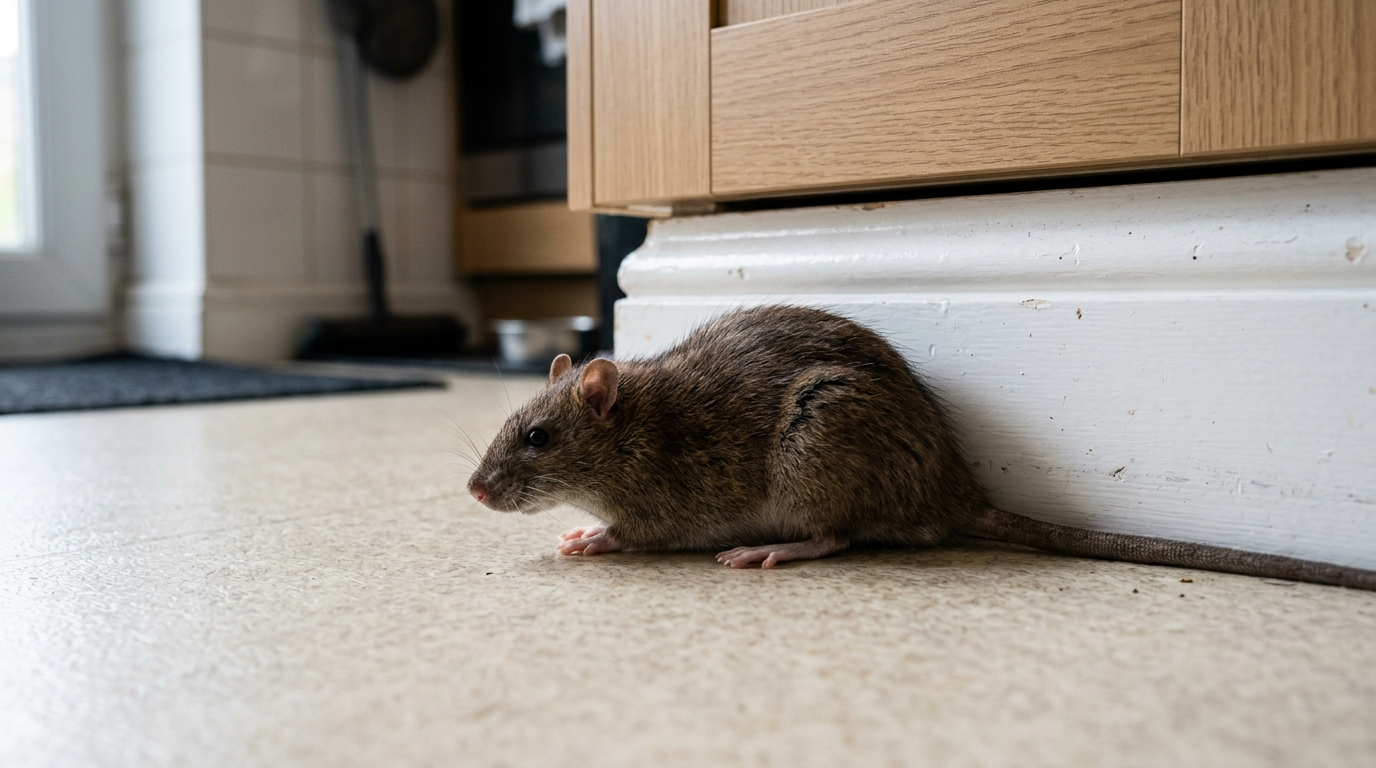
How do rats get into your house?
Rats can squeeze through a gap of 20mm or larger. In practice, any hole big enough to fit two fingers is big enough for a rat. The most common entry points I find are gaps around pipework where it enters through walls or floors, broken or open air bricks, poorly fitted doors with gaps at the bottom, and damaged fascia boards or rooflines (for roof rats). Rats are also strong gnawers and will enlarge a gap if they can smell warmth or food on the other side.
In older properties, degraded drain pipes are a route in. Rats can swim and will come up through damaged clay drains. If you are finding fresh rat activity inside with no obvious entry point above ground, a CCTV drain survey is worth having done.
Common areas to inspect: behind your washing machine or dishwasher where pipes enter, under kitchen units along the back wall, the cavity around boiler flues, and any airbrick that is cracked or missing its mesh.
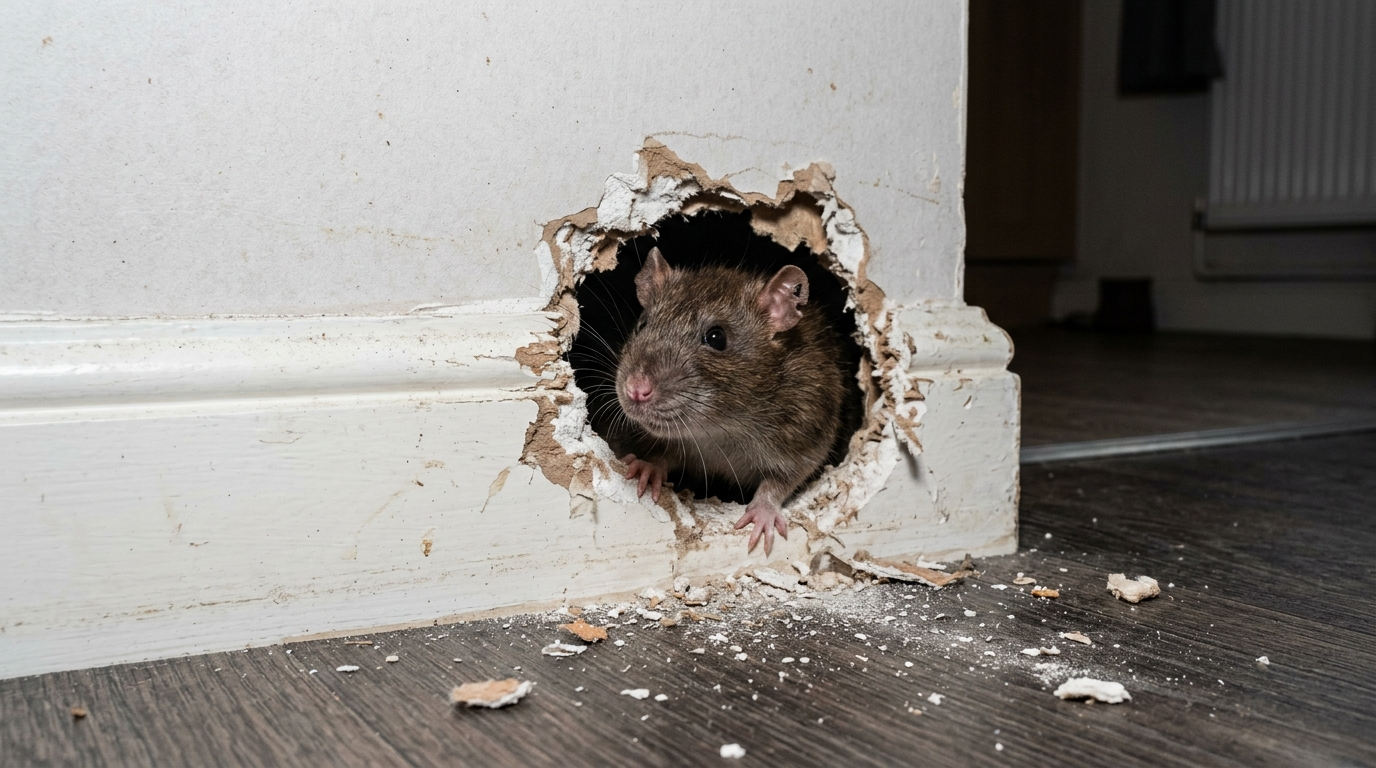
What is the best product for rats?
For most domestic rat problems, my first choice is a heavy-duty break-back snap trap. This type of trap kills instantly, is reusable, and leaves no carcass hidden inside a wall. You want the full-size rat version, not a mouse trap. Look for a sturdy steel spring and a wide, sensitive treadle plate.
Pair it with a lockable plastic bait station. This serves two purposes: it keeps the trap hidden and undisturbed in a dark tunnel (which rats prefer), and it keeps children and pets from accessing it. If you choose to use rodenticide blocks inside the bait station instead of a snap trap, a lockable station is not optional, it is a legal requirement under the UK Rodenticide Stewardship regime.
As an Amazon Associate I earn from qualifying purchases.
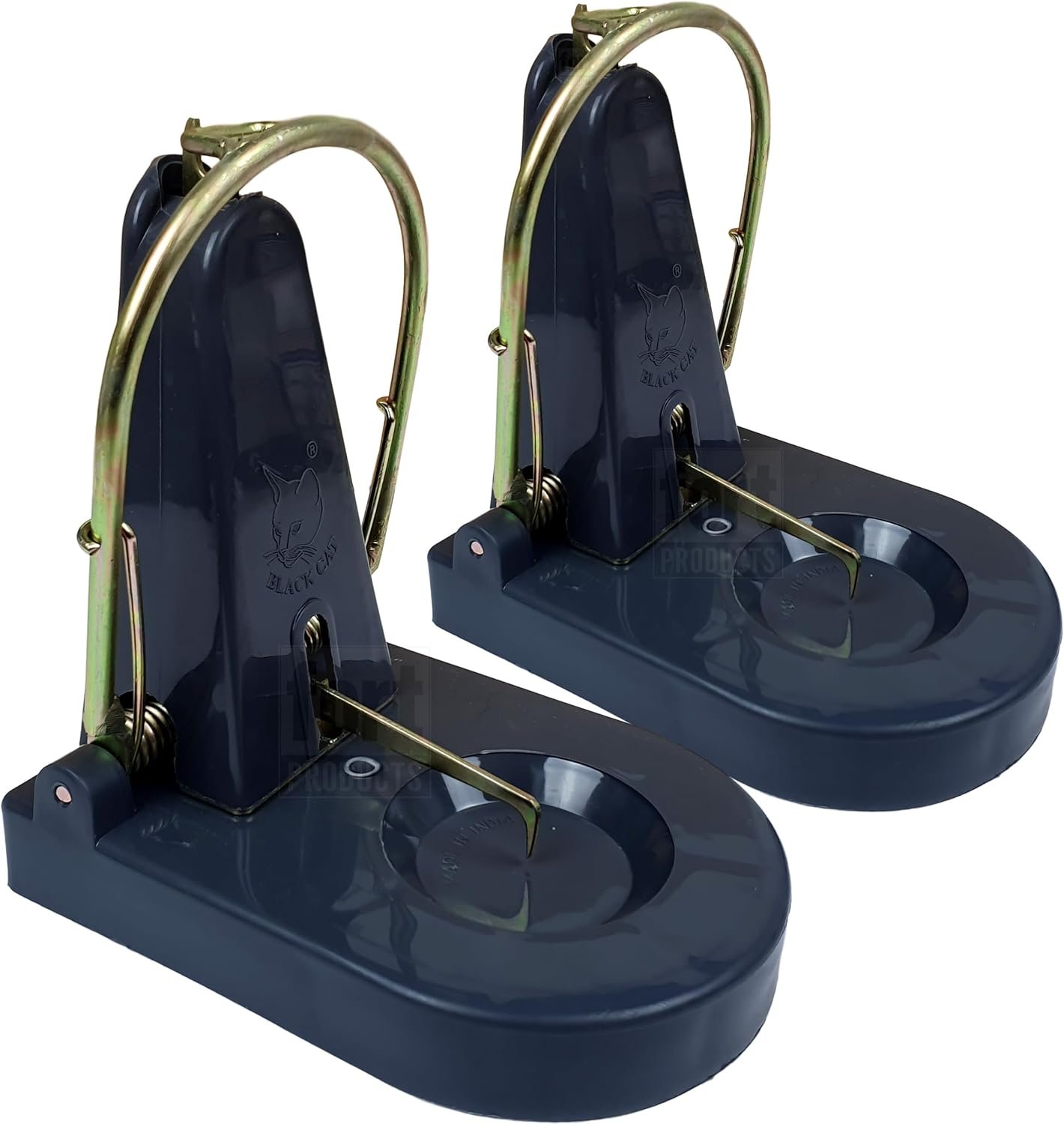
What I use: the Black Cat rat trap. It is the break-back trap professionals reach for, and there is good reason for that. It is strong, it sets easily, and it keeps catching where the cheap traps give up after a go or two. Put a few down at once along the runs they use, not just the one. That is how you clear a rat problem properly.
Check price on AmazonAs an Amazon Associate I earn from qualifying purchases.
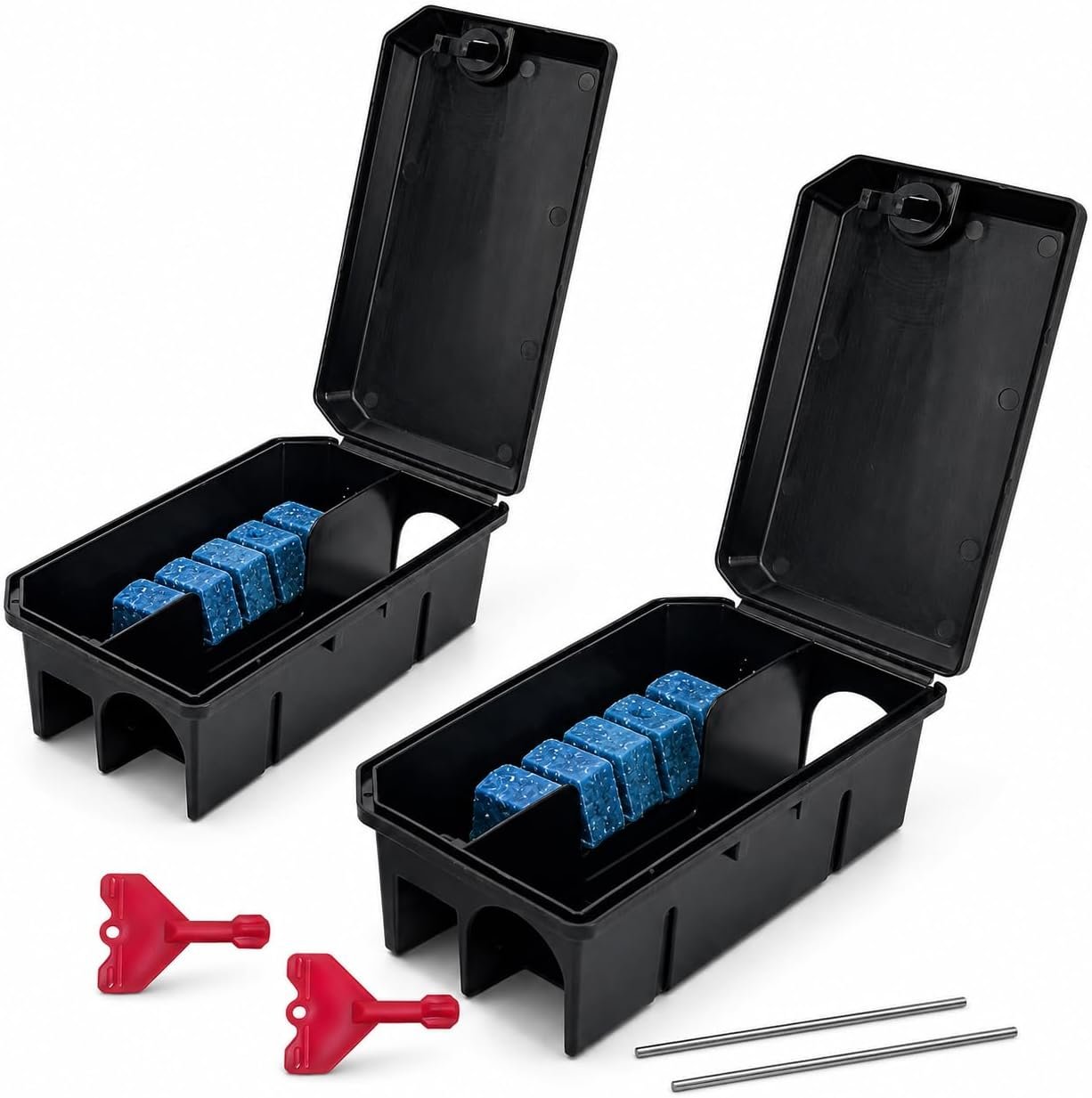
What to look for: a tamper-resistant, lockable plastic tunnel bait station with a key or tool lock. Avoid flimsy open trays. Difenacoum will get the job done and is a more controlled choice for the environment than stronger single-feed baits when used correctly in a secure bait station. Always read and follow the product label before use.
Check price on Amazon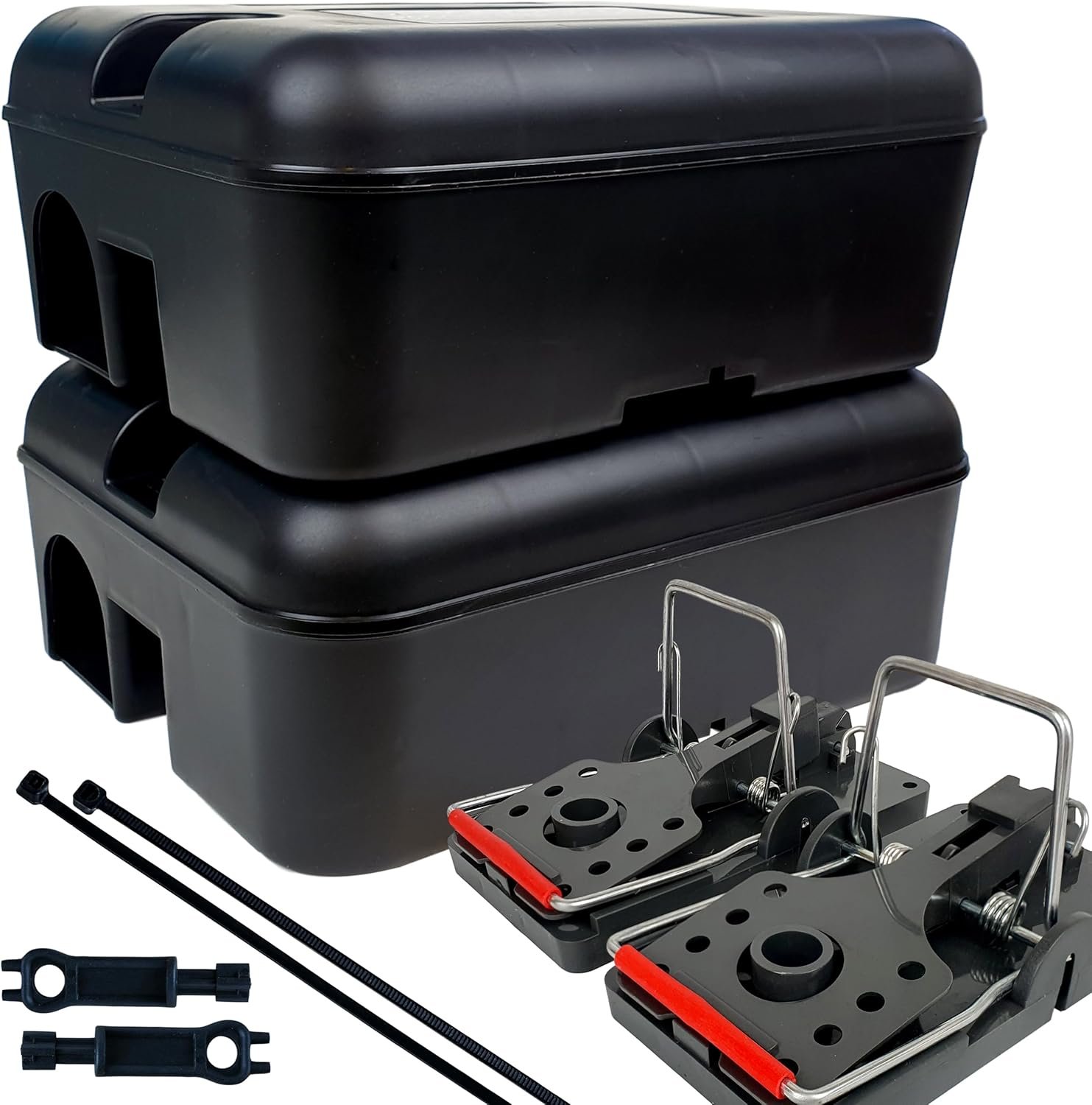
What I use: a snap trap inside a lockable box. You get two boxes with the traps that fit inside them. The box keeps the trap hidden in the dark where rats like to feed, and it keeps pets and children well away from it. For bait, bird seed works better than anything. Rats love it, and a few seeds on the trap pedal will do the job. Set the boxes along the walls where the rats run, not out in the open.
Check price on AmazonAs an Amazon Associate I earn from qualifying purchases.
What to avoid
These do not work. There is no credible evidence that ultrasonic devices deter rats in a real domestic setting. I have been called to properties where the owner had three or four plugged in and still had rats running across the kitchen floor at night. Save your money.
Placing rodenticide blocks directly on the floor or on an open tray is dangerous and, in many situations, not legal. Secondary poisoning kills owls, foxes, and cats. Always use a tamper-resistant, lockable bait station if you are using any form of rodenticide.
Catching a rat alive and releasing it down the road does not solve the problem. Rats have strong territorial instincts and can navigate back. You are also likely to just release the problem onto someone else's property. Live catch only makes sense in very specific situations.
How to use it properly
Placement is everything. Rats run along walls and follow fixed routes. Place your traps or bait stations tight against the wall, with the entrance hole of the bait station facing along the wall run, not away from it. If you find a run with fresh smear marks or droppings, that is where your first trap goes.
Pre-baiting helps. Leave the trap unset inside the bait station for two or three days so rats get used to entering it. Bait it with chocolate, peanut butter, or a small piece of meat. Once you see the bait disturbed, set the trap. You will usually get your first catch within 24 to 48 hours.
Check traps every day. A dead rat left in a trap for several days will put others off. Dispose of catches in a sealed bag in the general waste. Wear disposable gloves whenever you handle traps or catches.
When to call a professional
Call a pest controller if:
- You are catching rats regularly but new activity keeps appearing (suggests a large population or ongoing entry)
- The entry point is a drain, sewer, or structural gap you cannot access
- Activity is in a roof space, cavity wall, or subfloor where traps cannot be safely placed
- You have children, pets, or vulnerable adults in the property and need to avoid any risk from rodenticide
- The problem has been going on for more than three weeks with no reduction
A professional can use professional-grade rodenticides not available to the public, carry out proofing work, and identify entry routes you may have missed. Look for BPCA-member technicians.
Frequently asked questions
Rat droppings are 10 to 20mm long, dark, and tapered at one end. Mouse droppings are much smaller, around 3 to 6mm. Rats also leave smear marks along walls and gnaw damage that is far more severe than mice. If you hear heavy scurrying in the ceiling at night, that is likely rats.
With properly placed snap traps and entry points sealed, a small infestation can be cleared in one to two weeks. A larger problem may take three to four weeks of active trapping. If catches drop off and there are no fresh signs of activity for a week, you are done.
Snap traps are cleaner and faster for a domestic infestation. Poison takes several days to kill and you risk the rat dying inside a wall, causing a smell for weeks. If you use rodenticide, it must always be placed inside a tamper-resistant bait station and checked at least every two weeks.
They will if the entry points are still open. Sealing every gap over 20mm is the most important step. Trapping without blocking entry is like bailing out a boat without plugging the hole. Steel mesh, expanding foam reinforced with wire, and mortar are the right materials for proofing.
Yes. In older properties with clay or degraded drain pipes, rats can and do swim up through sewers and into toilets. If you suspect drain entry, a CCTV drain survey is the way to confirm it and identify where the repair is needed.